
|
Getting your Trinity Audio player ready...
|
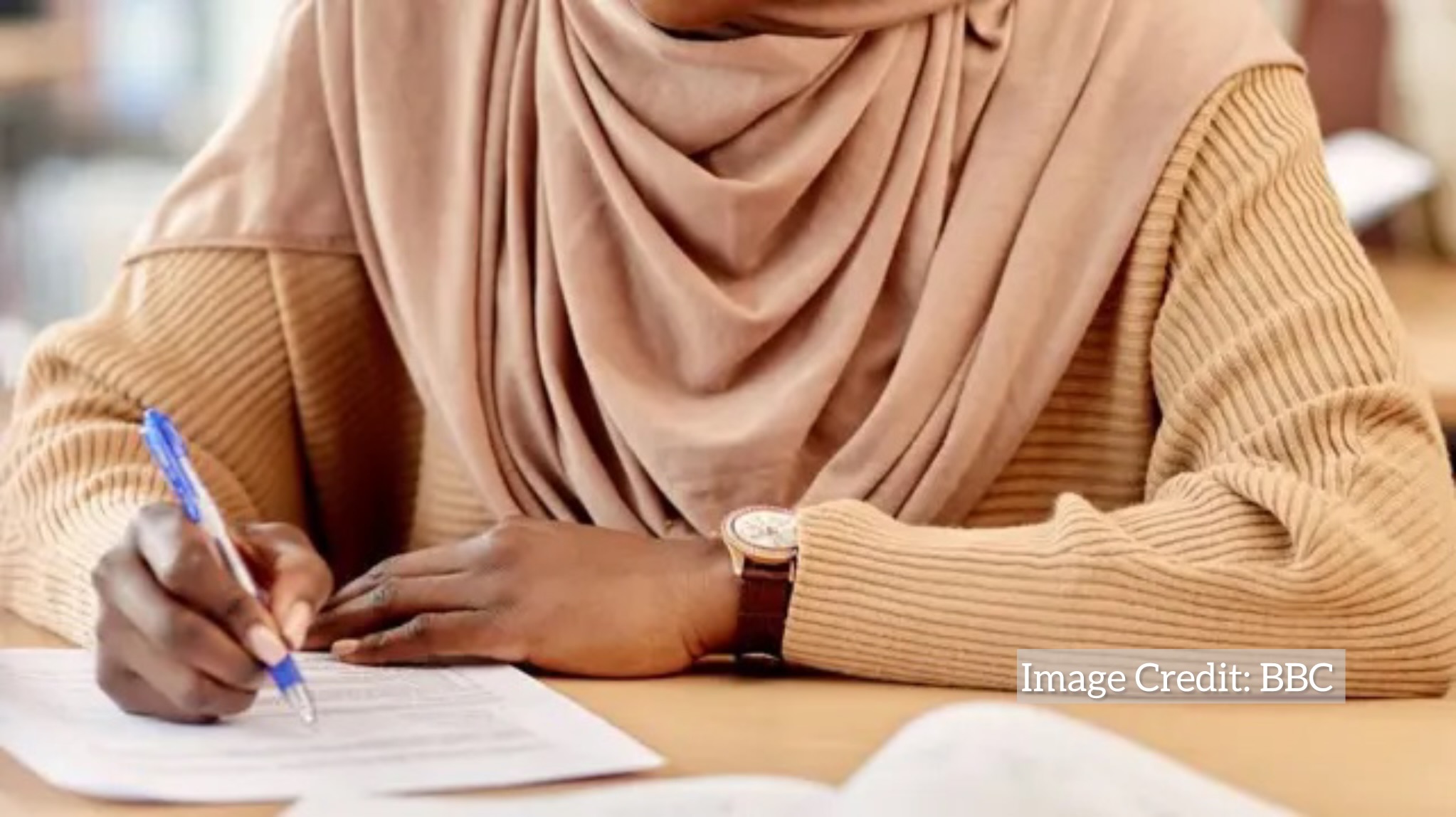
A controversial dress code enforcement at Delta State Polytechnic, Ogwashi-Uku, in southern Nigeria, has triggered widespread criticism after female students were reportedly denied access to their exams for not wearing bras or underwear. The rule referred to online as the “no-bra, no-exam” policy was enforced by campus security personnel who turned students away at the gates for what the institution called “indecent dressing.”
According to reports, students arriving for exams were subjected to physical checks, and any woman not wearing a bra, as well as men wearing ripped jeans or other “unacceptable” outfits, were barred from entering the school premises. Eyewitnesses claim some students missed entire exams because they were sent home due to their clothing. Though the institution has previously communicated dress code expectations, many students argue that the enforcement is excessive, intrusive, and disproportionately targets women.
Public reaction has been swift and angry. Nigerian actress and activist Kemi Lala Akindoju condemned the policy on social media, calling it “ridiculous” and asking why such enforcement seemed to only affect female students.
“Is this the most pressing issue on a Nigerian campus? Should education be withheld over undergarments?” she asked in a post that has since gone viral.
Online platforms, including Reddit and Twitter, saw a flood of comments from Nigerian users who labeled the rule sexist, regressive, and harmful to the academic aspirations of young people. One user wrote,
“This obsession with controlling women’s bodies is not only ridiculous, it’s dangerous.”
Others pointed out the irony of a public institution choosing to police attire instead of focusing on improving educational standards, infrastructure, or student welfare.
This incident is not isolated. Nigerian universities and polytechnics have a long history of enforcing conservative dress codes, often under the guise of promoting morality or discipline. In several cases, students have been denied exams or lectures for wearing short skirts, sleeveless tops, or other clothing deemed inappropriate by school authorities. In 2023, a student at the National Open University of Nigeria was turned away from a final exam for wearing a sleeveless blouse, sparking a similar public outcry.
Critics argue that these rules reflect a broader issue of moral policing in Nigeria’s education system especially towards female students. Many view such enforcement as not just discriminatory, but also counterproductive to educational goals.
“Universities should be safe spaces for learning and growth, not battlegrounds for outdated moral codes,” said one education rights activist.
Defenders of the rule say it’s meant to maintain discipline and uphold cultural values, but the punitive nature of the enforcement especially when it jeopardizes students’ academic futures has led many to call for immediate policy reviews. Activists are urging the Federal Ministry of Education and regulatory bodies to step in, calling for clear, rights-based guidelines on acceptable dress codes that do not infringe on student freedoms or disrupt academic participation.
The larger question remains: Should access to education be conditional on what students wear? For many young Nigerians especially women the answer is a resounding no. As outrage continues to build, this moment may serve as a catalyst for a long-overdue national conversation about the balance between cultural expectations, institutional power, and individual rights in Nigeria’s higher education system.