
Mali Breaks Ground on Russian-Backed Gold Refinery to Reclaim Economic Sovereignty

|
Getting your Trinity Audio player ready...
|
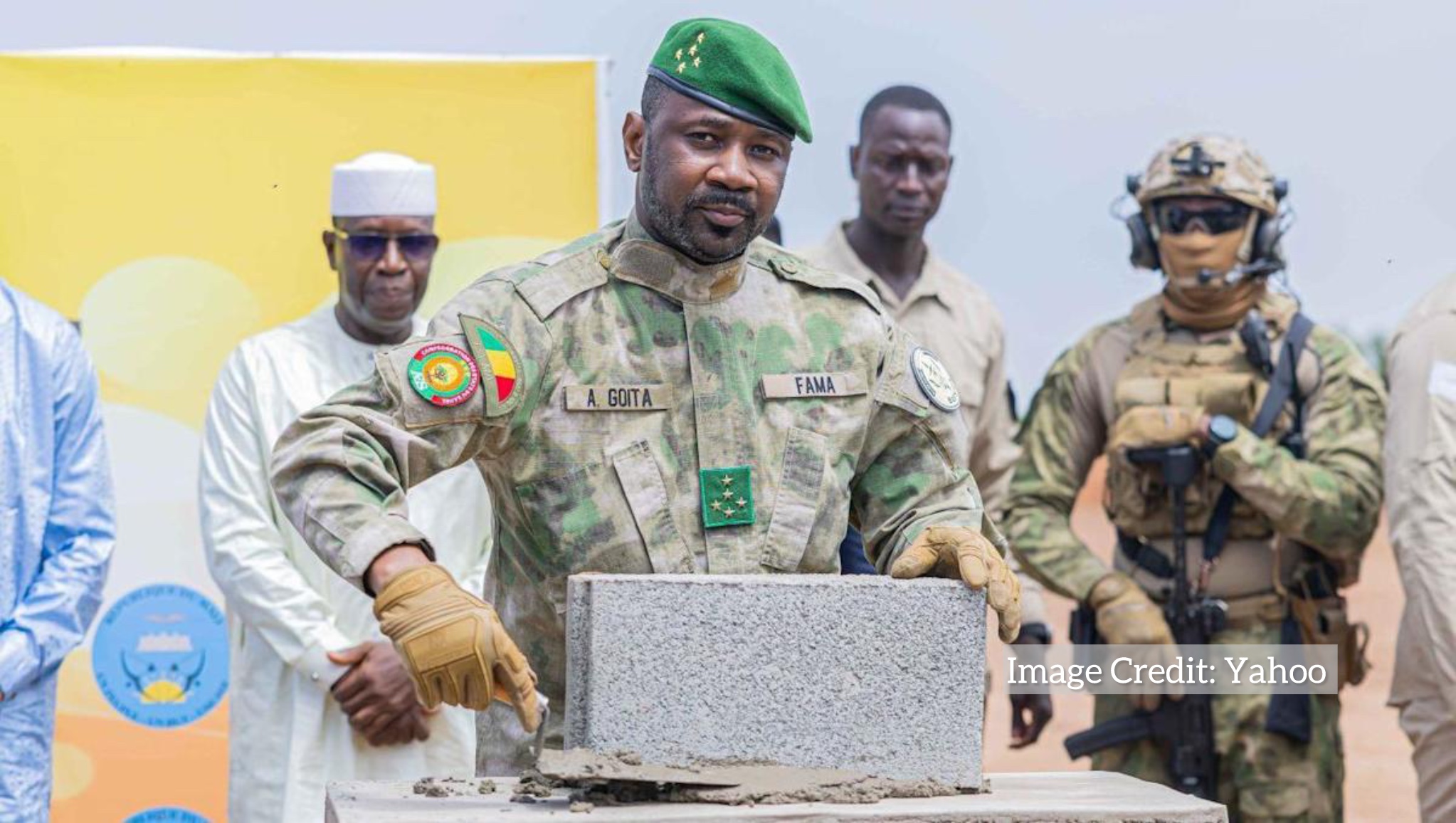
Mali has officially begun construction of a large-scale gold refinery in Senou, just outside the capital Bamako, in a strategic move to process gold domestically and assert greater control over its mining sector. Backed by Russian investors, primarily the Yadran group, and a Swiss investment partner, the project is part of Mali’s broader effort to retain more value from its vast natural resources particularly gold, which remains the country’s most lucrative export.
The refinery, expected to process up to 200 tonnes of gold per year, will be the first of its kind in Mali and among the largest in West Africa. This capacity is nearly four times Mali’s current annual gold production, which averages around 60 tonnes. Officials say the extra capacity will allow the country not only to refine its own output but also to serve as a regional refining hub for neighboring gold-producing countries such as Burkina Faso and Guinea.
Mali’s interim President, Colonel Assimi Goïta, has described the project as a turning point in the country’s economic independence. Under a new mining policy announced earlier this year, Mali now requires that all gold mined within its borders be refined domestically before export. The state will hold a 62% ownership stake in the refinery, in accordance with a decree passed in May 2025. This is part of a broader legal shift that began with a 2023 revision of the country’s mining code, which increased government participation in mining ventures to up to 35% and introduced measures to ensure local processing and value addition.
Gold accounts for approximately 25% of Mali’s fiscal revenues and nearly 10% of its GDP, making the industry critical to national development. However, a large portion of Malian gold has historically been exported in raw form to countries such as the United Arab Emirates, Switzerland, South Africa, and Australia. The lack of domestic refining capacity has not only deprived Mali of significant revenue but has also contributed to widespread smuggling and opaque trading practices.
According to government officials, the refinery will help reduce illicit gold flows and improve traceability. Smuggling has been a persistent problem in Mali, with informal networks often transporting gold across borders without official documentation. By refining gold within the country, authorities aim to ensure better oversight, enhance tax collection, and comply with international market standards.
The new refinery is also emblematic of Mali’s growing alignment with Russia, especially since the withdrawal of French and other Western forces following the 2021 coup. Mali has since deepened its military and economic ties with Moscow, including deals involving energy, security, and mining. The refinery is viewed by some analysts as a symbol of Russia’s expanding influence in the Sahel region through economic and strategic partnerships.
While the launch of the refinery is being welcomed as a step toward economic sovereignty, experts caution that the project must meet international standards for environmental management, transparency, and operational efficiency. Certification by bodies such as the London Bullion Market Association (LBMA) will be necessary for the refinery’s gold to be accepted on global markets.
The timeline for the refinery’s completion has not yet been officially confirmed, but early estimates suggest it could take between 18 to 24 months to complete construction and begin full-scale operations. The facility is expected to create local jobs, reduce foreign dependency, and potentially serve as a model for other countries in West Africa looking to process and profit more from their natural resources.
As Mali moves forward with the refinery and its new mining policies, international observers will be watching closely. The country’s ability to balance foreign partnerships, domestic control, and international compliance will be key to determining whether this ambitious project delivers on its promise of sustainable economic transformation.