

|
Getting your Trinity Audio player ready...
|
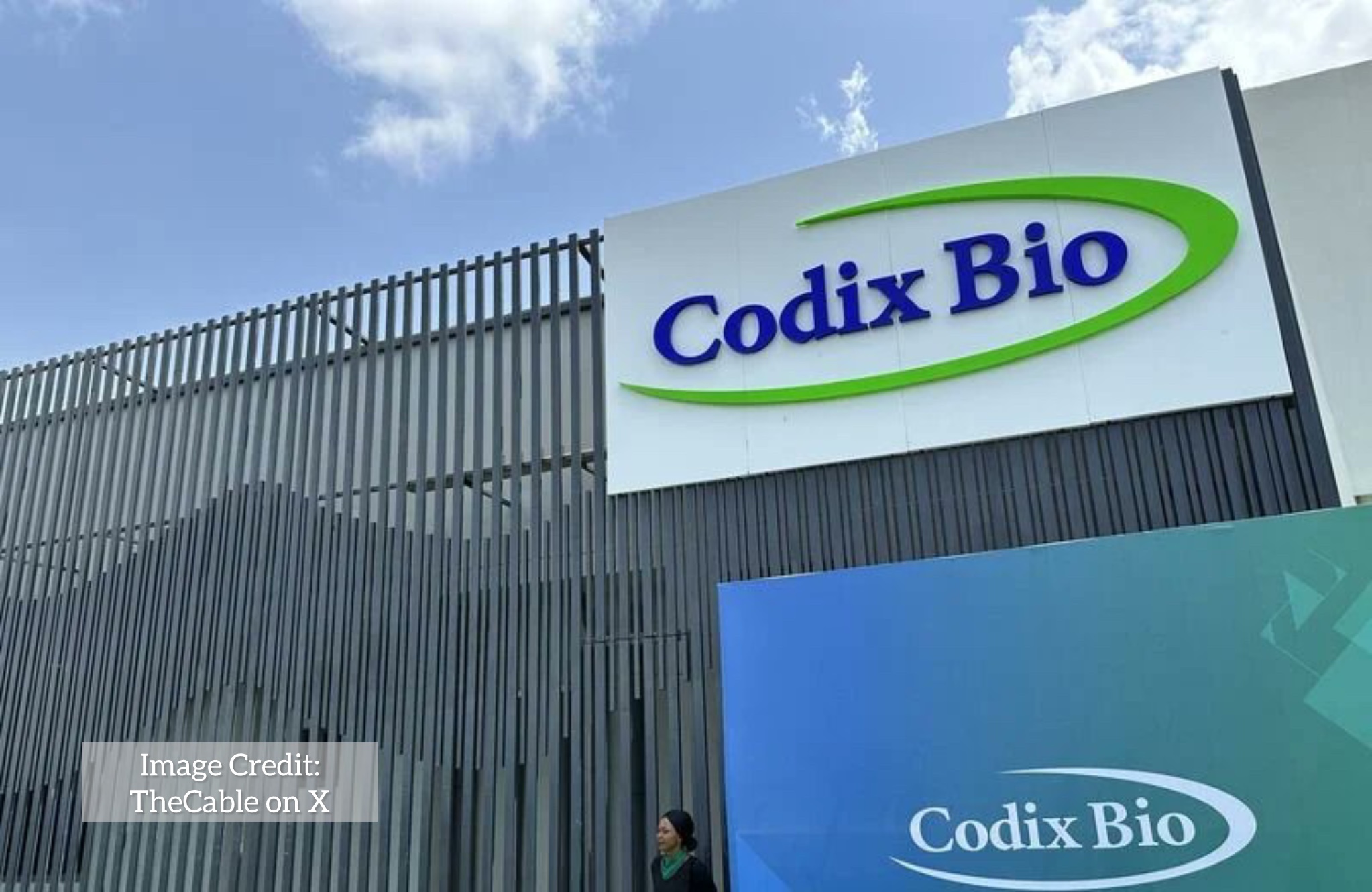
As the United States significantly reduces its foreign health aid to Africa, Nigeria is taking bold steps toward health independence by launching domestic production of HIV and malaria rapid diagnostic test kits. Codix Bio Ltd, a subsidiary of Codix Pharma, has inaugurated a state-of-the-art manufacturing facility near Lagos capable of producing over 140 million diagnostic kits annually. This move comes at a critical time, as U.S. funding for HIV and malaria programs across Africa faces deep cuts under recent policy shifts by the Trump administration.
For decades, Nigeria has relied heavily on donor funding, particularly from the U.S. President’s Emergency Plan for AIDS Relief (PEPFAR) and the U.S. Agency for International Development (USAID), to fight diseases like HIV and malaria. In 2024, USAID contributed around $740 million to Nigeria for public health programs. However, recent aid freezes and policy changes have disrupted the supply chains for essential medical items such as malaria bed nets, HIV test kits, antiretroviral drugs, and vaccines. The World Health Organization (WHO) has warned that eight countries, including Nigeria, Kenya, South Sudan, and Lesotho, are at risk of running out of HIV treatment supplies due to the cuts.
In response, Nigeria is scaling up its domestic capacity. Codix Bio’s new facility was launched in partnership with South Korea’s SD Biosensor and with guidance from the WHO. The plant will produce malaria and HIV test kits not only for local use but also for export to other West African countries, improving regional health security. The initial production capacity is 147 million kits per year, with the potential to expand to 160 million.
This development is part of a broader push for health sovereignty across Africa. The Nigerian government has already allocated over $200 million in its 2025 budget to cushion the effects of the foreign aid withdrawal and ensure continued access to critical diagnostics and treatments. Emergency procurement of HIV treatment packs and essential drugs is underway to avoid life-threatening shortages.
Health experts and government officials see Codix Bio’s manufacturing move as a game-changer. By reducing reliance on imported test kits, Nigeria not only safeguards its public health infrastructure but also strengthens its position as a leader in African healthcare innovation. The initiative also promises to create jobs, build local expertise, and foster long-term resilience against future global health crises.
The international community is watching closely as Nigeria leads a shift toward self-reliance. If successful, this model could inspire other countries facing similar aid reductions to invest in local pharmaceutical production and diagnostics. While the U.S. aid cuts present a major challenge, Nigeria’s proactive response may mark a turning point in the continent’s fight against infectious diseases.