
|
Getting your Trinity Audio player ready...
|
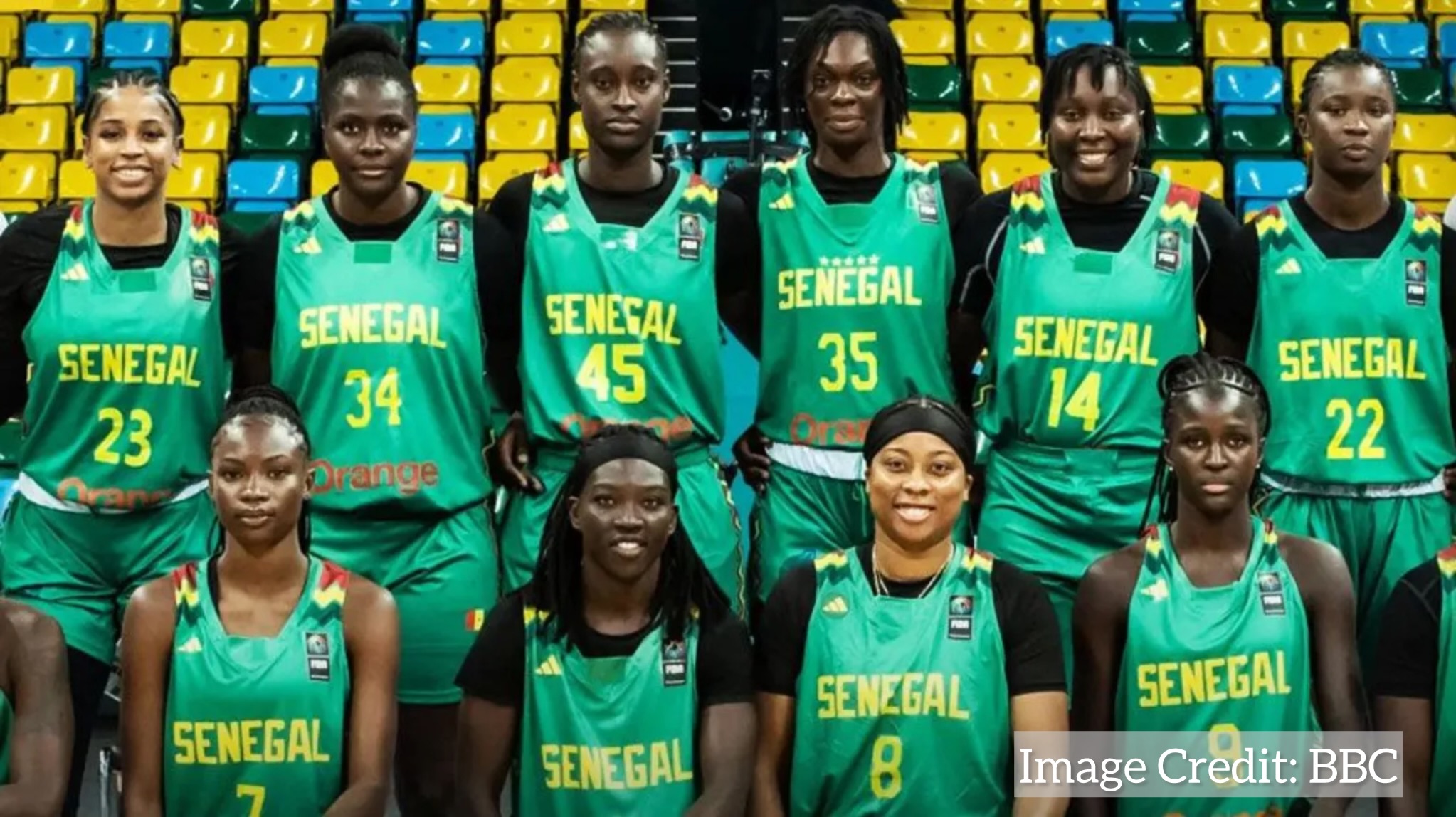
The Senegalese women’s national basketball team has canceled its planned training camp in the United States after several players and officials were denied visas by U.S. authorities. The decision, announced by Senegal’s Prime Minister Ousmane Sonko, comes just weeks before the start of the 2025 FIBA Women’s AfroBasket tournament, significantly impacting the team’s preparations.
The 10-day training camp was originally scheduled to take place in the United States from June 22 to July 3, offering the team access to world-class facilities and high-level competitive preparation. However, the U.S. embassy denied visa applications for five players and seven members of the technical and administrative staff, effectively derailing the plan.
With time running short, Senegal has shifted its training back to Dakar, where the national team will continue preparations under the leadership of head coach Otis Hughley Jr., who previously led Nigeria to AfroBasket success. The visa rejections were not publicly explained, and the U.S. State Department declined to comment on individual cases, citing privacy laws.
Senegal’s basketball federation and sports authorities expressed disappointment over the setback, especially given that Senegal is not subject to any current U.S. travel bans. The team, which has won 11 AfroBasket titles and appeared in four of the last five finals, had hoped to leverage the U.S. camp to sharpen its tactics and improve team cohesion ahead of the tournament in Ivory Coast.
The FIBA Women’s AfroBasket is a critical competition, with the champion earning qualification for the 2026 FIBA Women’s Basketball World Cup in Germany. Senegal’s cancellation of the U.S. training camp not only hinders its technical preparation but also brings to light growing concerns about access and equity in international sports.
This incident follows a pattern of similar challenges in global athletics, including visa denials that recently impacted other African teams. As international tournaments draw nearer, the issue of fair treatment for athletes particularly from African nations remains a topic of global discussion.