

|
Getting your Trinity Audio player ready...
|
A Monumental Act of Repatriation
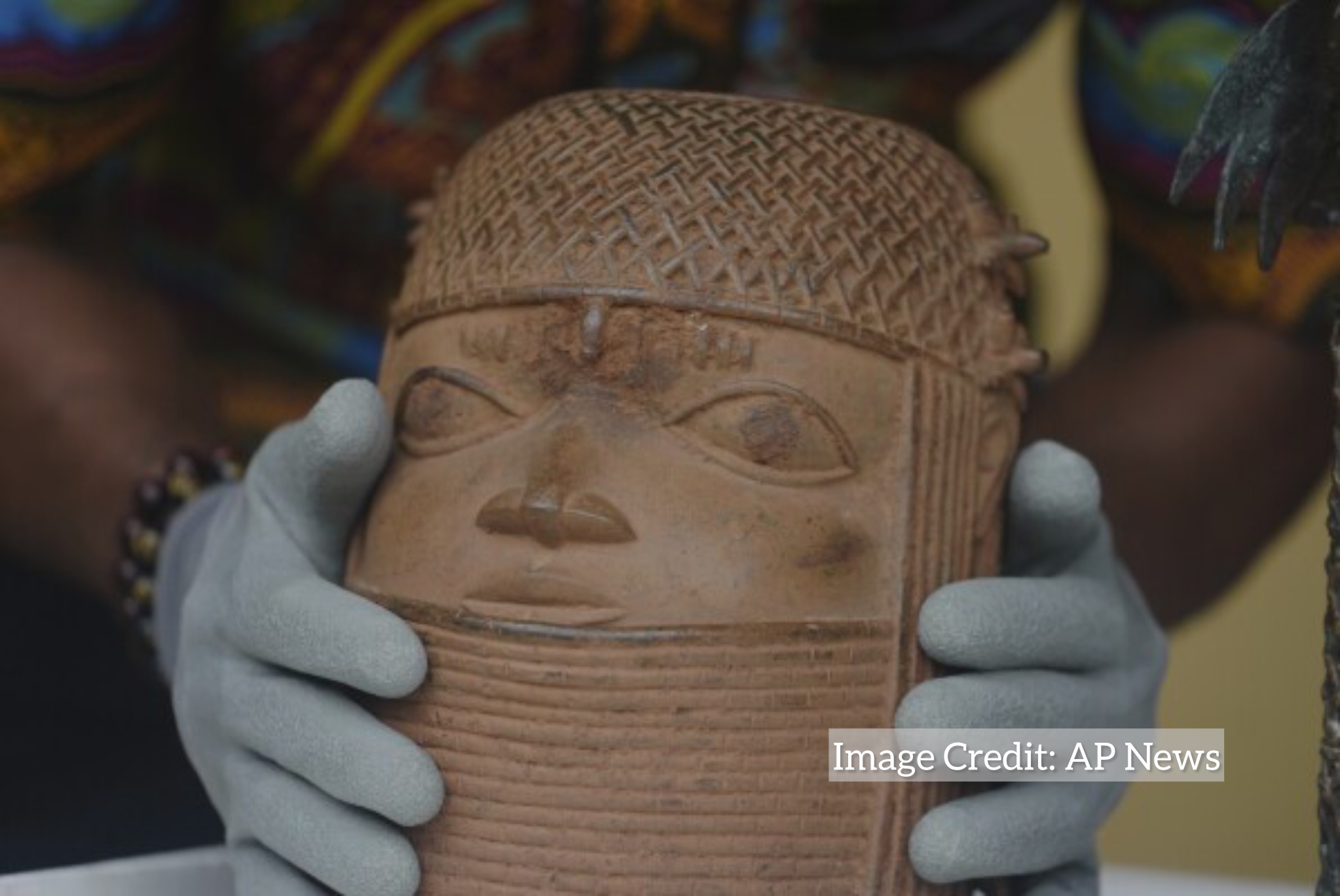
In a groundbreaking move, the government of the Netherlands has officially returned 119 Benin Bronzes to Nigeria more than a century after they were looted from the historic Kingdom of Benin during a British military expedition in 1897. The long-anticipated handover marks one of the largest single repatriations of African cultural treasures in recent history and highlights the growing global commitment to redressing colonial-era injustices.
The Origins of the Bronzes
The Benin Bronzes are not mere decorative items; they are masterfully crafted royal plaques, figurines, and ceremonial artifacts made of brass, bronze, and ivory. They were created by the Edo people of the ancient Benin Kingdom, now part of present-day Nigeria and used to decorate the royal palace and celebrate historic achievements, spiritual beliefs, and dynastic lineage. In 1897, British troops looted thousands of these treasures during a punitive invasion. The artifacts were subsequently dispersed to museums and private collections across Europe and North America.
Details of the Return
Of the 119 items returned, 113 were held by the Dutch National Collection, primarily housed at the Wereldmuseum in Leiden while six were part of the city museum in Rotterdam. The artifacts include human and animal figures, ceremonial staffs, a bronze bell, and royal regalia. The return ceremony took place at the Wereldmuseum, attended by high-level dignitaries including Dutch Minister of Culture Eppo Bruins, Nigeria’s National Commission for Museums and Monuments (NCMM) Director-General Olugbile Holloway, and representatives of the Benin Royal Court, led by Oba Ewuare II.
Cultural and Spiritual Significance
For Nigeria, and especially for the Edo people of Benin, the return of these bronzes is not merely symbolic it is deeply spiritual and restorative. Oba Ewuare II called the restitution a “divine intervention,” noting that the artifacts are sacred items that carry ancestral presence and authority. For many in Nigeria, their return is an act of healing, restoring dignity and reconnecting modern generations with a heritage violently disrupted by colonial conquest.
A Step Toward Restorative Justice
Dutch Minister Bruins described the repatriation as part of the Netherlands’ broader effort to address the legacy of colonialism, stating,
“Cultural heritage is essential for telling and living the history of a country and its people. The return of these objects is a necessary step toward justice.”
The Dutch Colonial Collections Committee had earlier concluded that the items were acquired under illegitimate circumstances and rightfully belong to Nigeria.
Global Movement for Cultural Restitution
The return of the Benin Bronzes by the Netherlands joins a growing wave of international restitution efforts. Germany returned hundreds of bronzes in 2022, while the United States and private institutions in the United Kingdom have also repatriated individual pieces. However, major institutions like the British Museum still hold significant numbers of Benin Bronzes and have cited legal obstacles to their return. Nigeria has long advocated for the repatriation of its cultural property, emphasizing that these works are integral to national identity and cultural education.
Future of the Returned Bronzes
Nigeria plans to house the returned artifacts in the upcoming Edo Museum of West African Art (EMOWAA) in Benin City. Designed by renowned architect Sir David Adjaye, the museum aims to become a world-class cultural hub and repository for repatriated African art. Until the museum is completed, the bronzes will remain under the stewardship of the Benin Royal Palace, following a 2023 directive from former President Muhammadu Buhari acknowledging the traditional authority over the bronzes.
A New Chapter for African Cultural Heritage
The return of the 119 Benin Bronzes is not just a triumph for Nigeria, but a signal to the world that the era of impunity over stolen heritage is slowly ending. It sets a precedent for responsible cultural diplomacy and affirms the importance of acknowledging historical wrongs. More than objects, the bronzes are living links to a proud civilization and their return restores a piece of the soul of a people.