

|
Getting your Trinity Audio player ready...
|
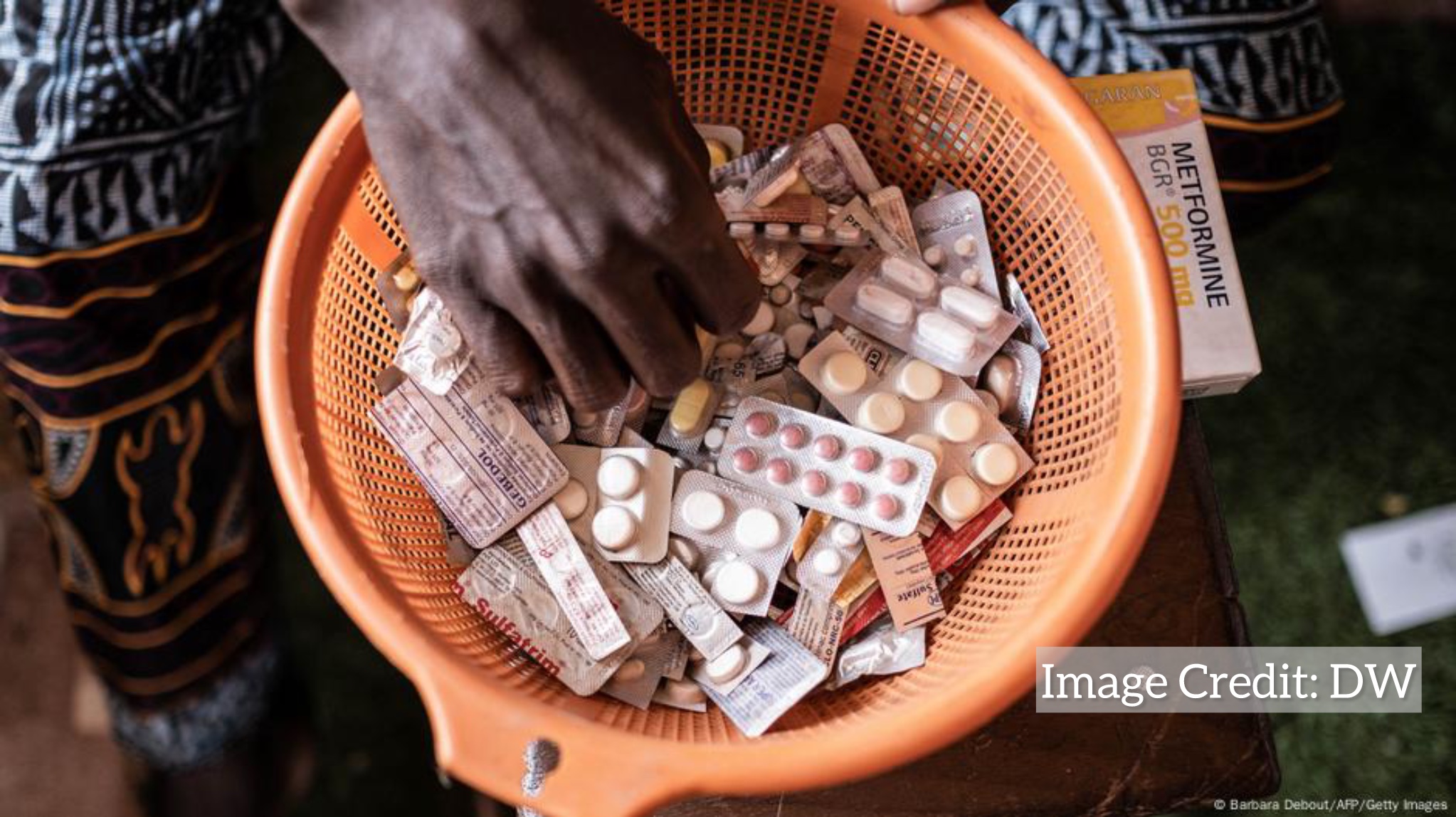
A major study published in The Lancet Global Health has uncovered a serious threat to cancer treatment in Africa: one in six cancer drugs tested in Cameroon, Ethiopia, Kenya, and Malawi were found to be defective. These substandard medicines contained either too little or too much of the active pharmaceutical ingredients (APIs), undermining their effectiveness and endangering patient safety. The study, conducted by researchers from institutions including the University of Notre Dame, tested 251 samples of chemotherapy drugs collected from a range of facilities from national hospitals to rural pharmacies. About 17% of the drugs failed chemical analysis, with API levels ranging from just 28% to 120% of what was labeled. This is particularly alarming because chemotherapy drugs must be dosed with precision. Too little can allow cancer to progress; too much can lead to severe side effects or even death.
In Malawi, methotrexate a widely used chemotherapy agent was among the drugs found to contain dangerously high levels of active ingredients. Patients receiving these faulty drugs experienced extreme vomiting, adverse reactions, and were forced to halt treatment, putting their lives at further risk. These medicines, which came from suppliers like Zuvius Lifesciences and United Biotech in India, highlight how defective imports can have devastating impacts on vulnerable populations. The majority of failed samples in the study were manufactured in India, a major supplier of generic medicines to Africa. The problem, however, is not solely due to manufacturing errors. Some drugs may have degraded due to poor storage conditions, including exposure to high heat and humidity, which are common in many African regions without climate-controlled storage.
One of the most alarming findings was that traditional visual inspections checking packaging, labeling, and appearance could only detect about 10% of the faulty medicines. This means the majority of dangerous drugs look perfectly legitimate, passing unnoticed into treatment regimens. Compounding the problem, none of the four countries involved in the study had full laboratory capacity to test oncology medicines for chemical content. This leaves healthcare workers and patients relying on trust, with little means of verifying quality before administration. The consequences are deadly.
To address the crisis, researchers and policymakers are exploring low-cost solutions. One promising innovation is the ChemoPAD, a paper-based testing tool developed to detect poor-quality chemotherapy drugs on-site. Designed to cost less than $2 per test, the ChemoPAD could provide frontline health workers with a powerful tool to detect defective medicines without the need for expensive lab infrastructure. The broader issue of substandard medicines in Africa goes beyond oncology. The World Health Organization estimates that up to 10% of medicines in low- and middle-income countries are substandard or falsified, contributing to an estimated half a million deaths annually. In Africa, where regulatory capacity is often limited, the situation is especially urgent.
Efforts are now underway to improve oversight and accountability. The African Medicines Agency (AMA), launched in 2021, aims to strengthen cross-border regulatory systems and standardize drug quality control across the continent. In the meantime, governments, NGOs, and medical institutions are calling for urgent investment in laboratory testing, supply chain monitoring, and public health education to safeguard patients. For now, cancer patients in many African countries face a tragic uncertainty not only must they fight the disease, but also the very medicines meant to treat it. Ensuring safe, effective cancer treatment must become a continental health priority.
In the words of Professor Marya Lieberman, one of the lead researchers:
“It’s heartbreaking. These patients are fighting for their lives and the drugs they rely on are failing them.”