


|
Getting your Trinity Audio player ready...
|
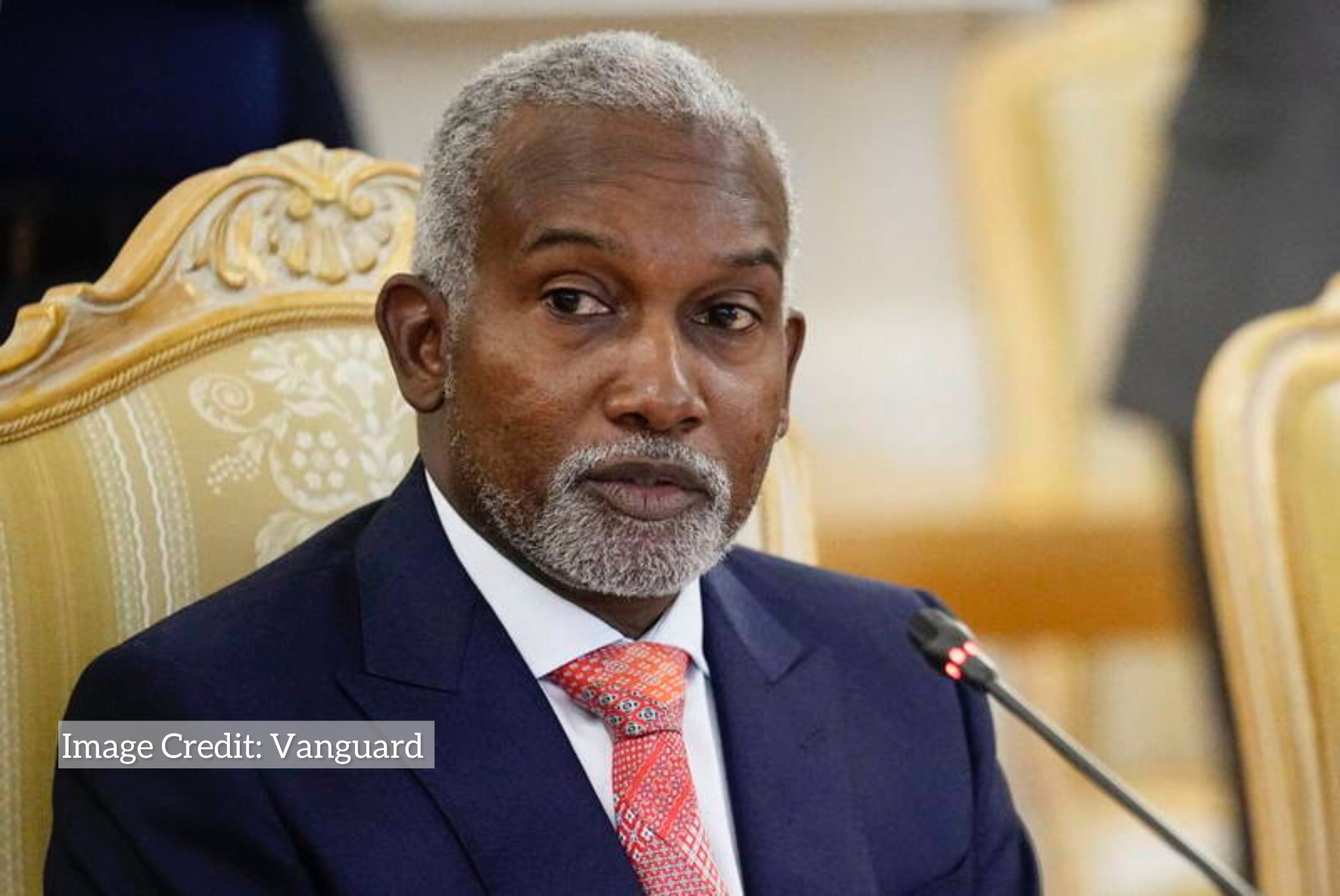
Nigeria’s foreign minister, Yusuf Tuggar, has firmly rejected recent U.S. demands that it accept deported Venezuelan migrants and third-country nationals, arguing that Nigeria simply “has enough problems of its own.” Speaking on Channels TV, Tuggar invoked a lyric by Public Enemy’s Flava Flav, “Flava Flav has problems of his own. I can’t do nothin’ for you, man” to illustrate his point that Nigerian authorities cannot be expected to shoulder additional burdens imposed from abroad.
With a population exceeding 230 million, Tuggar stressed that the country is already grappling with significant domestic challenges, from managing a sprawling urban workforce to addressing security threats in its northern regions. He criticized the U.S. approach threatening visa restrictions and higher tariffs as coercive rather than cooperative, noting that Nigeria would face international criticism if it agreed to accept 300 Venezuelans whose deportation the United States has been unable to carry out.
Earlier this week, the U.S. State Department announced that, as part of a “global reciprocity realignment,” most non-immigrant and non-diplomatic visas for Nigerian, Cameroonian, and Ethiopian citizens would be limited to single entries valid for just three months. At the same time, President Donald Trump warned that countries aligning with certain policies of the newly expanded BRICS alliance could face a 10 percent increase in U.S. tariffs. Although Nigeria is not a full member of BRICS, it became an official partner country in January, while the bloc itself has grown from its original five members to include Egypt, Ethiopia, Indonesia, Iran, Saudi Arabia, and the United Arab Emirates.
In response, Nigeria’s embassy in Washington dismissed suggestions that the visa restrictions were punitive, attributing them instead to unfulfilled “technical and security benchmarks.” Nonetheless, Toggar maintained that the U.S. pressure campaign particularly demands to take back Venezuelan nationals, including former prisoners was misdirected and unrealistic.
Rather than acquiescing to these deportation requests, Tuggar emphasized that Nigeria seeks to expand strategic partnerships with the United States in areas of mutual economic interest. He pointed out that Nigeria’s abundant gas reserves, critical minerals, and rare earth elements are essential to American technology manufacturers and energy security. Diplomatic discussions aimed at resolving these tensions are reportedly underway, as both countries look to balance migration policy concerns with broader trade and investment goals.
Reports in the Wall Street Journal indicate that similar overtures have been made to other West African nations Liberia, Senegal, Mauritania, Gabon, and Guinea-Bissau urging them to accept migrants the U.S. has deported when their countries of origin would not take them back. While none of those governments has publicly confirmed acquiescence, the prospect drew denials from Liberia’s foreign minister, who told the BBC that her country had not engaged in such talks.
Despite the diplomatic friction, Nigeria appears determined to deflect external pressure on migration policy while reinforcing sovereign decision-making. By invoking a pop-culture refrain, Minister Tuggar underscored the message that Nigeria must focus on its own priorities and crisis management, rather than serving as a release valve for another nation’s migration challenges.
Read Also: Unlimited Terms, No Vote: Mali’s New Political Reality