
|
Getting your Trinity Audio player ready...
|
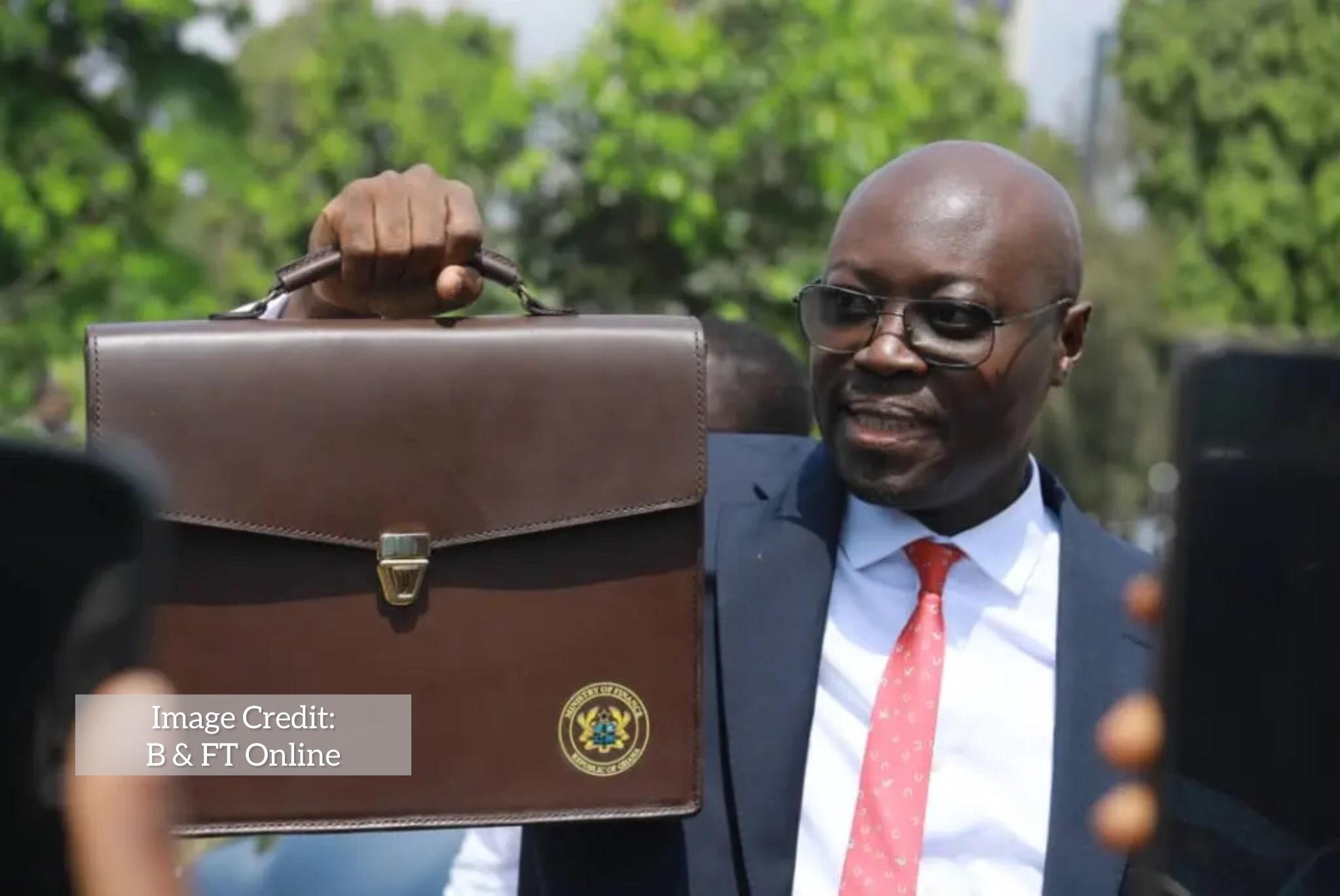
Ghana has posted a significant fiscal milestone, recording a primary surplus of 11.1% of GDP far exceeding the government’s 2025 mid-year target of just 0.4%, according to Finance Minister Dr. Cassiel Ato Forson. The announcement was made during the presentation of the 2025 Mid-Year Budget Review in Parliament on July 24, 2025.
Dr. Forson described the surplus as a clear sign of economic recovery and fiscal discipline, particularly following what he characterized as one of the most financially irresponsible periods in the country’s recent democratic history. The latest data also shows Ghana’s overall fiscal deficit narrowing to 0.7% of GDP, which is significantly below the projected 1.8% for the same period.
“These outcomes are not a stroke of luck,” Dr. Forson remarked. “They are the product of bold reforms, decisive leadership, and strict adherence to fiscal responsibility at every level.”
IMF Confidence and Structural Reforms
The Finance Minister noted that the International Monetary Fund (IMF) has responded positively to the Mahama-led government’s policy direction, attributing Ghana’s recent gains to targeted and courageous reform strategies. He emphasized that the fiscal numbers had undergone independent verification, addressing recurring public concerns about data reliability during budget presentations.
Despite the significant budget tightening, Dr. Forson assured Parliament that core public services remain protected. He was emphatic that the government’s commitment to fiscal consolidation would not come at the cost of social interventions or essential sectors.
“We are tightening our budget lines, but we are not pulling back on our responsibilities in education, healthcare, agriculture, or infrastructure,” he said. “The vulnerable will not bear the cost of our recovery.”
Key Economic Indicators Improve
Alongside fiscal consolidation, other macroeconomic indicators have shown strong improvements:
• Inflation has dropped sharply from 23.8% in December 2024 to 13.7% in June 2025, reflecting easing price pressures.
• Interest rates on 91-day treasury bills have also declined by over 1,300 basis points, easing the cost of borrowing and supporting private sector investment.
These improvements have been credited to tighter spending controls, renewed synergy with the Bank of Ghana, and the establishment of regulatory bodies like the Ghana Gold Board, which has helped stabilize foreign exchange inflows and gold-related revenues.
IMF Programme and Future Outlook
Ghana remains under a multi-phase IMF-supported economic recovery programme, with three more performance reviews scheduled. The outcome of these assessments will be pivotal in determining whether the current fiscal momentum can be maintained into 2026 and beyond.
In conclusion, the Finance Minister portrayed Ghana’s economic outlook as cautiously optimistic, underpinned by prudent fiscal governance, reform-led growth strategies, and international support. As the country advances through the remainder of the IMF programme, the government appears focused on balancing economic recovery with social responsibility.