

|
Getting your Trinity Audio player ready...
|
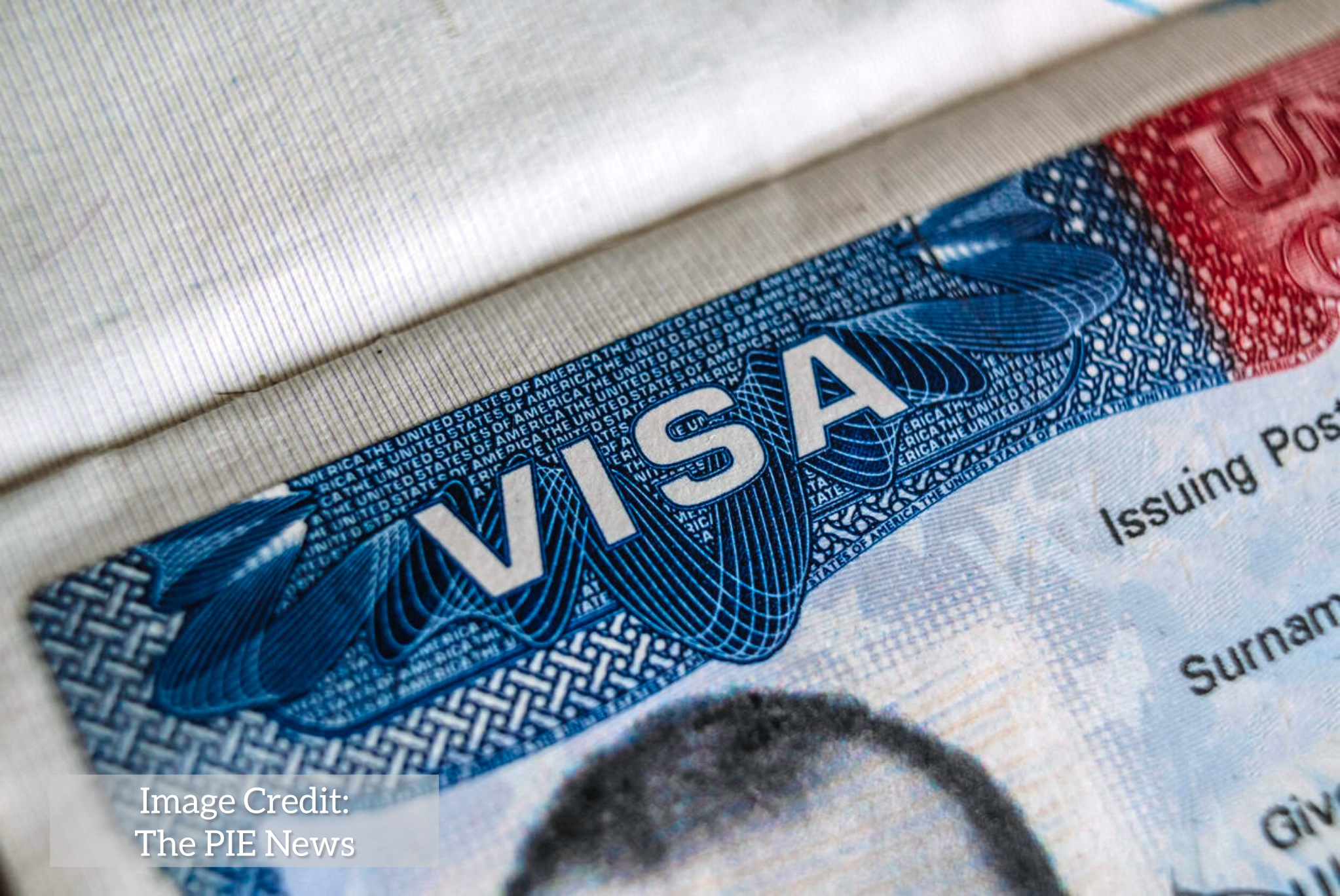
The United States has officially suspended all routine visa processing services at its embassy in Niamey, Niger, citing unresolved diplomatic tensions with the country’s leadership. This development, confirmed by a State Department spokesperson, affects both immigrant and non-immigrant visa categories. While specific reasons for the suspension were not detailed, the decision reflects growing concerns over bilateral relations and national security issues.
Visa Freeze and Stricter Screening Measures
According to an internal U.S. diplomatic cable dated July 25, consular officers across American embassies have been instructed to apply heightened scrutiny to all visa applications submitted by Nigerien nationals. The directive points to significant visa overstay rates as justification for the policy shift with an estimated 8% of visitor visa holders and a concerning 27% of student and exchange visa holders remaining in the U.S. beyond their permitted stay.
Although routine visa services are halted, applications for diplomatic and official visas will still be processed under special considerations. Individuals with pending appointments or applications have been formally notified of the suspension.
Background: Deteriorating U.S.–Niger Relations
This visa suspension comes in the wake of strained relations between Washington and the Nigerien military-led government. In September 2024, the U.S. completed a full withdrawal of its military presence from the country, following the junta’s decision to expel nearly 1,000 American troops. Once a pivotal counterterrorism ally in the Sahel region, Niger’s political shift after the 2023 coup has disrupted security cooperation and diplomatic ties with the United States and other Western nations.
The withdrawal marked a significant reduction in American influence across West Africa, an area facing rising extremist threats and regional instability.
Broader U.S. Immigration Policy Trends
This latest development in Niger aligns with the Trump administration’s broader immigration policy agenda, which has included increased visa restrictions, intensified social media monitoring, and efforts to revoke visas already granted. Recent reports suggest the administration is actively reviewing visas held by international students and permanent residents based on perceived political affiliations or views deemed counter to U.S. foreign policy interests including alleged support for Palestinian causes.
Leading voices in this renewed hardline stance include Senator Marco Rubio, who is working closely with the State Department to reshape visa issuance guidelines under the banner of national security.
Implications for Nigerien Nationals and Regional Stability
The visa freeze is expected to impact hundreds of Nigerien citizens seeking travel to the U.S. for education, family reunification, or business. With limited avenues for legal migration and growing isolation from international allies, the move could further alienate the Nigerien government while increasing frustration among its citizens.
Observers warn that such measures may widen the gap between the U.S. and countries in the region, potentially undermining long-term diplomatic and humanitarian goals in West Africa.