

|
Getting your Trinity Audio player ready...
|
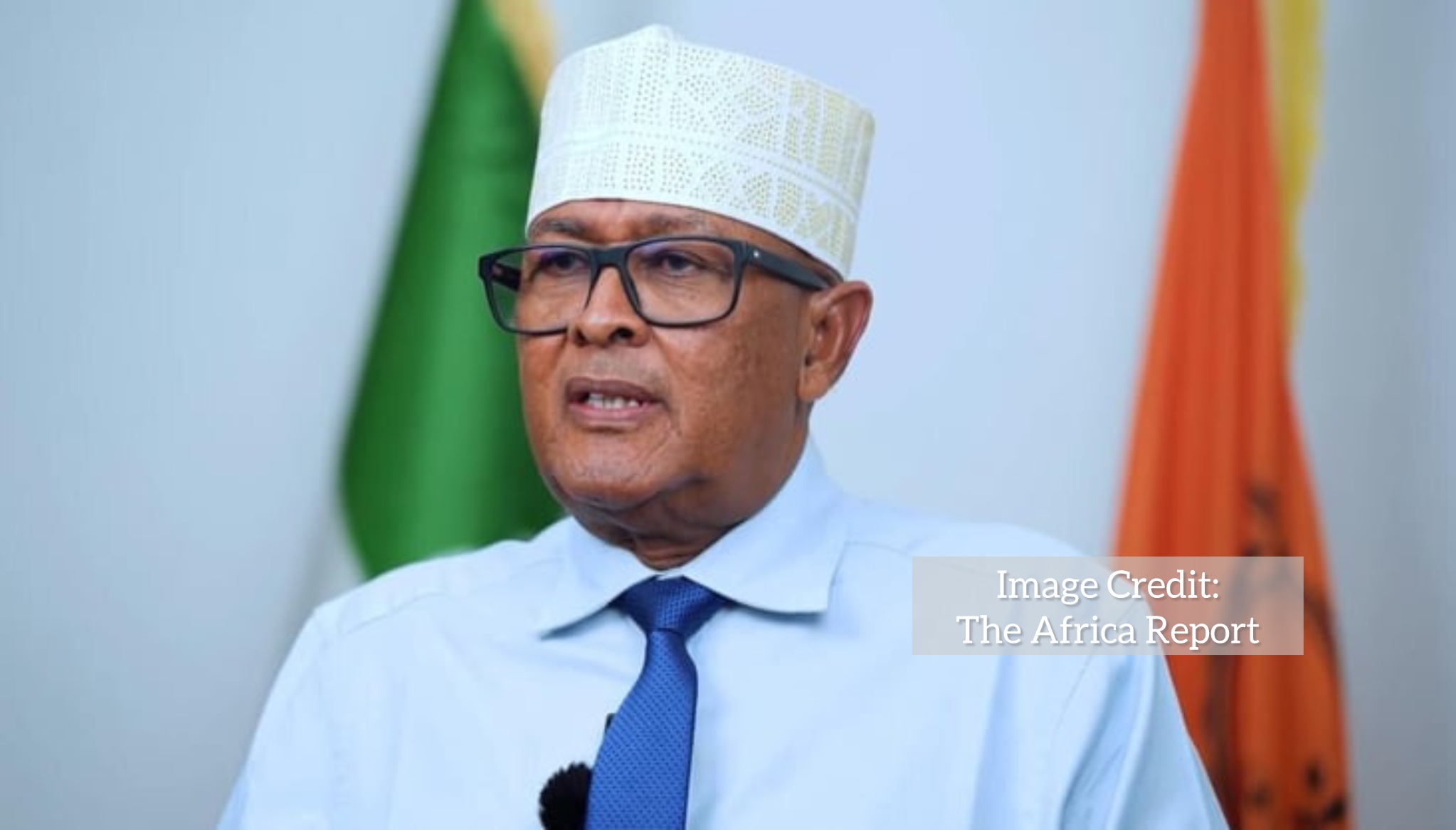
In a bold diplomatic initiative, Somaliland, the self-declared independent region in the Horn of Africa, is seeking formal recognition from the United States in exchange for strategic military and economic benefits. The proposal, spearheaded by Somaliland’s President Abdirahman Mohamed Abdullahi, includes granting the U.S. access to a military base near the Red Sea and rights to untapped critical mineral reserves, potentially altering geopolitical dynamics in East Africa.
A Strategic Bargain for Recognition
Since its declaration of independence from Somalia in 1991, Somaliland has operated as a de facto sovereign state, maintaining its own government, currency, and armed forces. Despite holding multiple democratic elections and achieving relative stability, it has not been officially recognized by any country. The international community, including the United States, continues to acknowledge Somalia’s territorial claim over the region.
Now, Somaliland is taking its case directly to Washington with a high-stakes proposal: recognition in exchange for strategic partnership.
According to President Abdullahi, discussions are underway with officials from the U.S. Department of Defense and the U.S. Embassy in Somalia, focusing on enhancing bilateral ties in security, economic development, and counter-terrorism.
“Our aim is a genuine partnership that benefits both our people and U.S. strategic interests,” Abdullahi said in recent remarks. “Somaliland is a stable democracy in a volatile region. We can offer more than just rhetoric, we offer access, cooperation, and resources.”
Geostrategic Location and Military Value
Somaliland’s geographic position offers immense strategic value. It borders the Gulf of Aden and lies at the southern entrance to the Red Sea, a vital maritime route that connects to the Suez Canal and facilitates global trade, including a significant portion of the world’s oil shipments.
Establishing a U.S. military footprint in Somaliland would enhance American presence in a region increasingly influenced by China, Russia, and Middle Eastern powers. For Washington, this could be a timely counterbalance to growing foreign military activity in neighboring Djibouti, where multiple countries operate bases, including China.
Reports indicate that senior U.S. military officials, including top commanders from the U.S. Africa Command (AFRICOM), have recently visited Hargeisa, Somaliland’s capital, to assess potential defense cooperation.
Access to Critical Minerals
Beyond security, Somaliland is also home to valuable natural resources, including rare earth elements, uranium, and other strategic minerals that are essential to green technologies and defense industries. In an era where the U.S. is actively seeking to diversify its supply chains away from China, securing access to new sources of critical minerals has become a national priority.
President Abdullahi has emphasized that his administration is willing to offer the U.S. preferential rights to explore and develop these resources as part of a broader economic partnership.
A Diplomatic Dilemma
While Somaliland’s offer aligns with several U.S. strategic interests, it places Washington in a delicate diplomatic position. Recognizing Somaliland would likely strain relations with the Federal Government of Somalia, which relies heavily on international support and firmly opposes any secessionist claims.
U.S. policy has traditionally supported Somalia’s territorial integrity, viewing it as essential for regional stability. However, with Somalia facing ongoing insurgency threats from al-Shabaab and internal political challenges, some analysts argue that it may be time for a recalibrated approach, one that acknowledges Somaliland’s democratic credentials and geostrategic relevance.
Regional Implications and Outlook
If the United States were to formally recognize Somaliland, it could trigger a shift in how the region is viewed globally. Other countries may follow suit, particularly those with energy or military interests in the Red Sea corridor.
At present, the discussions remain preliminary, and no formal agreement has been reached. However, Somaliland’s leadership remains optimistic that its proactive diplomacy and stable governance record will eventually lead to greater international engagement.
“This is not about breaking Somalia,” a senior Somaliland official noted. “It is about acknowledging a reality that already exists. We are offering the U.S. a willing partner in a tough neighborhood.”
As the geopolitical spotlight increasingly turns to the Horn of Africa, Somaliland’s calculated overture may prove a pivotal moment in the quest for recognition and a reshaping of regional alliances.