

|
Getting your Trinity Audio player ready...
|
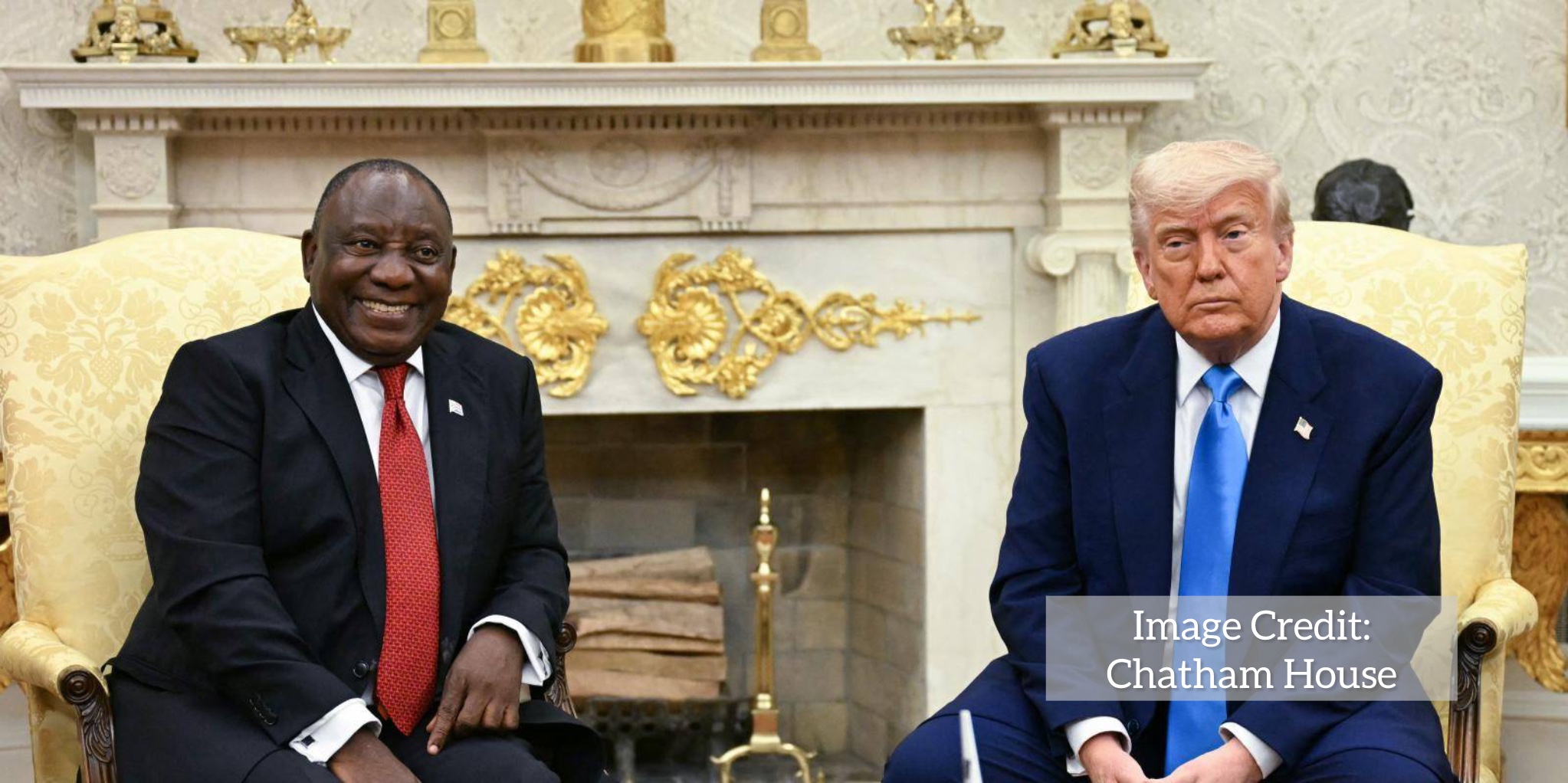
Tensions between the United States and South Africa appear to be escalating, with U.S. President Donald Trump indicating he may not attend the upcoming G20 summit scheduled to take place in South Africa later this year. The possibility of a presidential no-show underscores a growing rift between Washington and Pretoria over a series of policy disagreements and international disputes.
Speaking to reporters aboard Air Force One, President Trump revealed that he is considering delegating the trip to a representative, citing disapproval of what he described as South Africa’s “very bad policies.” While the final decision has not been confirmed, such a move would mark a significant diplomatic signal, given the prominence of the G20 summit in global economic and political affairs.
Sources of Tension
Key points of contention between the two nations include South Africa’s stance on the Israel-Gaza conflict and its broader domestic reforms. Pretoria has filed a case at the International Court of Justice (ICJ), accusing Israel, a close U.S. ally of genocide over its military operations in Gaza. This move has drawn sharp criticism from Washington, with the Trump administration viewing it as politically motivated and diplomatically disruptive.
Domestically, South Africa’s land reform agenda has also been a flashpoint. The Trump administration has expressed strong objections to efforts aimed at redistributing land to address historical injustices, characterizing them without evidence as efforts to “seize land from white farmers.” These claims have been widely refuted by South African authorities and independent observers.
Adding to the strain, President Trump signed an executive order earlier this year reducing financial assistance to South Africa. The decision was framed as part of a broader reevaluation of aid to countries whose policies clash with U.S. strategic interests.
Diplomatic Boycotts and Missed Engagements
U.S. diplomatic engagement with South Africa has cooled noticeably. Earlier this year, Secretary of State Marco Rubio declined to attend a G20 foreign ministers’ meeting held in Johannesburg, a move widely interpreted as a political statement. The U.S. government has also voiced concern over South Africa’s Black Economic Empowerment (BEE) framework, which is designed to redress racial disparities in economic participation stemming from the apartheid era.
Despite mounting friction, South African President Cyril Ramaphosa has urged President Trump to reconsider and attend the G20 in person. Ramaphosa insists that South Africa’s policies are being misrepresented and argues that dialogue at the summit could serve as an opportunity to build bridges rather than widen divides.
Implications for the G20 and U.S.-Africa Relations
If President Trump skips the summit, it would be the first time a U.S. leader has failed to attend a G20 gathering since its inception in 1999. It would also raise questions about America’s long-term strategic posture toward the Global South particularly at a time when rival powers like China and Russia are strengthening their influence across Africa.
South Africa, which is currently chairing the G20 for the first time, has emphasized inclusivity, development finance, and global economic reform as key priorities for this year’s summit. U.S. absence at the presidential level could send a message that Washington is deprioritizing multilateral engagement in the region, potentially creating an opening for other powers to shape the narrative.
As the summit approaches, all eyes will be on whether the Trump administration chooses diplomacy or distance. Either path could significantly impact the trajectory of U.S.–South Africa relations and Washington’s standing in Africa more broadly.