

|
Getting your Trinity Audio player ready...
|
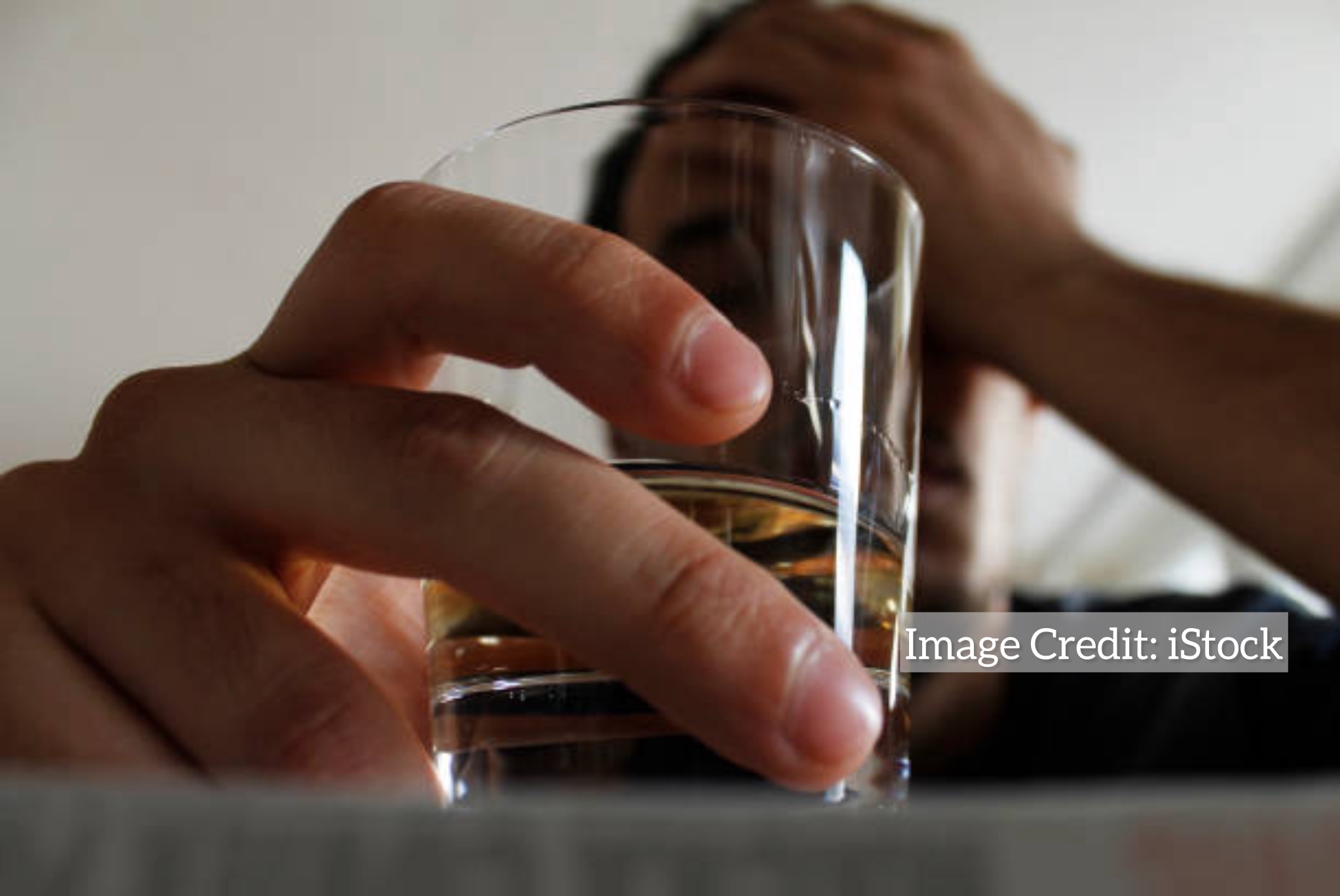
A fresh national debate has erupted in Kenya following the government’s announcement of sweeping reforms aimed at curbing alcohol consumption and abuse. The new draft policy, introduced by the National Authority for the Campaign Against Alcohol and Drug Abuse (NACADA), has sparked widespread concern among citizens, industry players, and rights advocates due to its far-reaching implications on access, sale, and marketing of alcoholic beverages.
Key Proposals: Stricter Access and Heavy Restrictions
Among the most contentious elements of the proposal is the increase in the legal drinking age from 18 to 21 years, a move the government believes will help protect young people from early exposure to alcohol. Additionally, the sale of alcohol in supermarkets, restaurants, public beaches, recreational venues, and petrol stations would be banned.
If implemented, alcoholic beverages would only be legally available in licensed pubs, bars, and designated liquor outlets. The draft also seeks to prohibit online sales, home deliveries, and celebrity endorsements of alcoholic drinks, measures NACADA says are intended to reduce the normalization and glamorization of drinking culture, especially among youth.
The Motivation Behind the Measures
NACADA’s rationale stems from growing concerns over rising alcohol and substance abuse, particularly among younger populations. A 2022 agency report estimated that one in every 20 Kenyans aged 15–65 was addicted to alcohol, underlining the need for urgent intervention.
In its defense, NACADA has described the plan as a draft policy, a strategic “road map” rather than immediate regulation, and clarified that any proposals requiring legal changes will go through the proper legislative process. It further emphasized that implementation will involve multi-sectoral consultations to refine and align the measures with stakeholder expectations.
Widespread Criticism and Economic Concerns
Despite NACADA’s clarification, the policy has drawn sharp criticism across sectors. The Alcoholic Beverages Association of Kenya (ABAK) described the draft as “exclusionary” and “detached from economic reality.” The group decried its lack of consultation, warning that the measures could lead to massive job losses and business closures in an already struggling economy.
Many worry that banning legitimate sales channels like supermarkets and online delivery services could drive demand into unregulated black markets, increasing the risk of deaths from toxic, illicit brews, a problem Kenya has long battled.
Prominent lawyer Donald Kipkorir argued that banning alcohol sales in key sectors such as hospitality and tourism would undermine entire industries.
“Tourism is driven by good food, alcohol (wine, beer & spirits), and leisure,” he stated on social media, adding that such restrictions could severely damage the country’s global image as a travel destination.
A History of Failed Crackdowns
This is not the first time Kenya has attempted radical measures to control alcohol abuse. In 2023, then-Deputy President Rigathi Gachagua proposed limiting pubs to just one per town in Central Kenya, an area often described as worst-affected by alcohol misuse. The move, however, faced strong resistance and was eventually abandoned due to logistical and economic pushback.
What Comes Next?
While the government insists the proposals are intended to address a serious public health issue, the public outcry and private sector pushback indicate that dialogue and stakeholder engagement will be crucial.
The coming weeks are expected to feature intense debates among lawmakers, public health advocates, traders, and civil society organizations as the country weighs the social benefits of regulation against the economic costs and civil liberties.
As Kenya grapples with finding a sustainable and inclusive approach to tackle alcohol abuse, it remains to be seen whether NACADA’s proposals will evolve into law or meet the same fate as previous, ill-fated crackdowns.