Breaking Barriers: How Ethiopia’s Leather Industry is Stitching Gender Equality into its Future
Written By Maxine Ansah
|
Getting your Trinity Audio player ready...
|
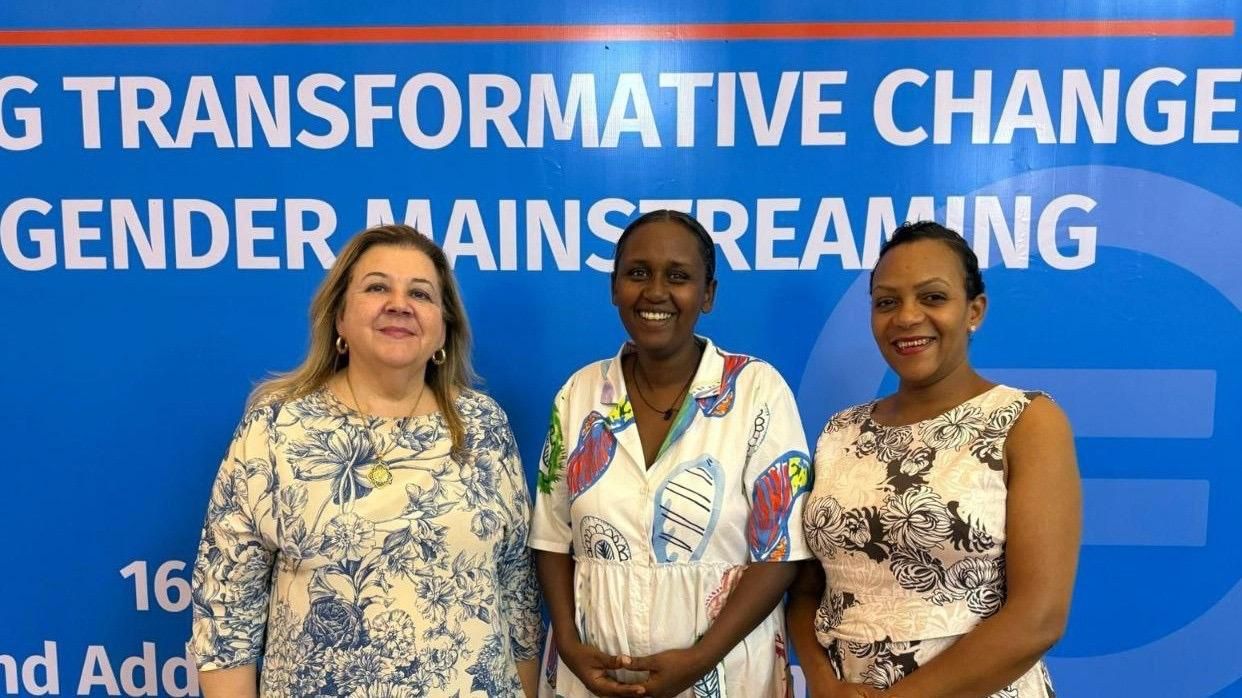
Addis Ababa– In Ethiopia’s bustling leather industry hub of Modjo city, a quiet revolution is underway. The Leather Initiative for Sustainable Employment Creation (LISEC) is not just boosting jobs. It is transforming the lives of women and young people who have long been excluded from leadership roles, training opportunities, and financial resources.
At the heart of this transformation is a belief voiced by Eyerusalem Damtie, Women and Children Affairs Executive of Ethiopia’s Ministry of Industry:
“We want to be involved from the beginning. We do not support tick-in-the-box approaches to gender mainstreaming. We need to see that the project will have a meaningful impact on women’s lives in order to get involved.”
Her words mirror LISEC’s commitment, which has earned the project the highest possible score for gender mainstreaming in evaluation.
Listening to Women and Tackling Root Causes
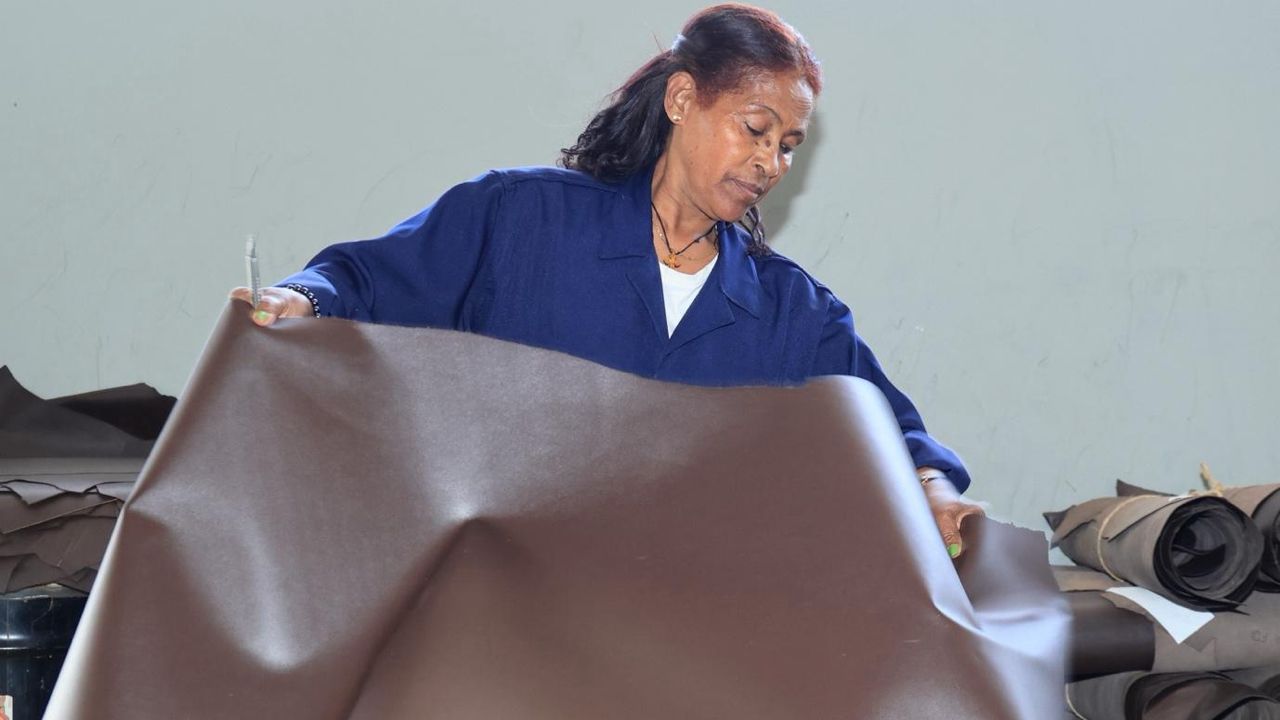
LISEC’s success began with a thorough gender analysis. Based on a survey of 192 employees, of whom 134 were women, the study revealed deeply entrenched barriers to equality. These included occupational segregation driven by cultural perceptions, a lack of women in leadership, unequal access to financial incentives and training, and the burden of domestic responsibilities on women’s productivity. Other challenges included inadequate reporting systems for workplace safety and gender-based violence (GBV), as well as limited access to sexual and reproductive health information.
In partnership with the gender department of the Ministry of Industry, LISEC’s national gender expert translated these findings into a Gender Action Plan and a gender matrix. The recommendations ranged from improving retention and promotion of women to creating family-friendly work environments and preventing GBV. Crucially, these gender considerations were embedded throughout the project’s design and delivery.
A Twin-Track Approach to Change
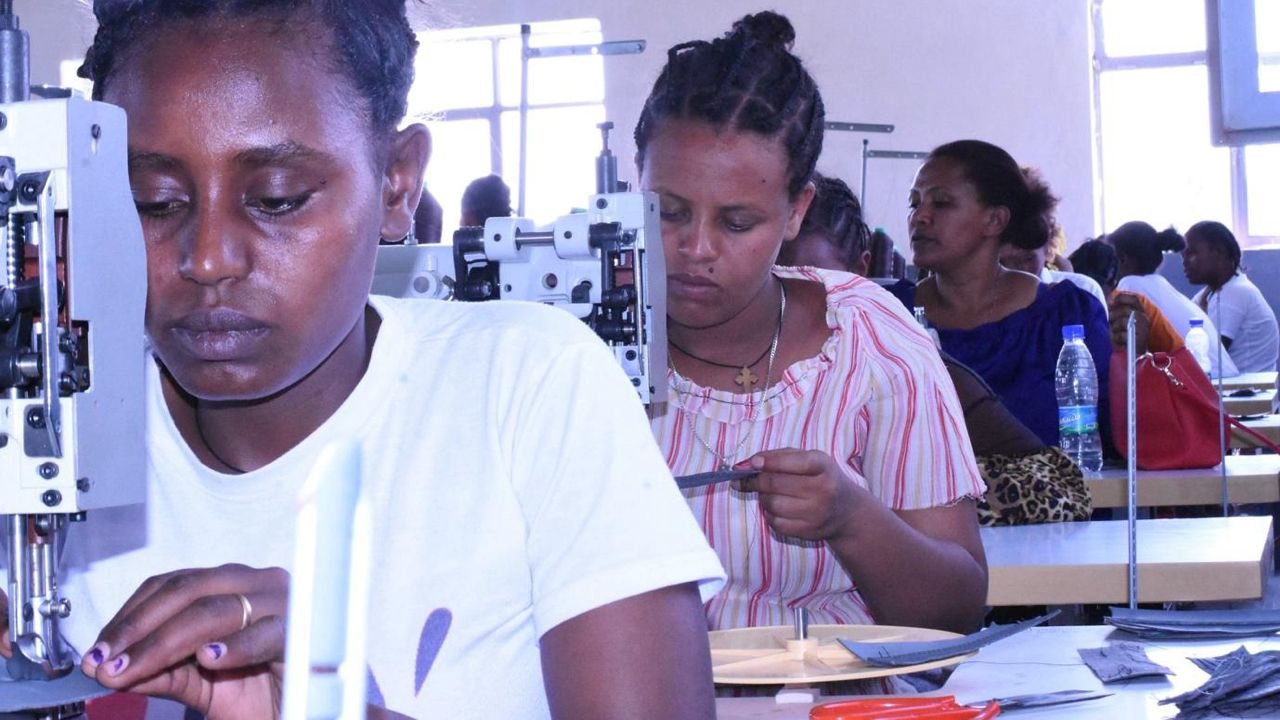
LISEC adopted a twin-track approach that combined targeted actions for women’s empowerment with integrated gender considerations across all activities.
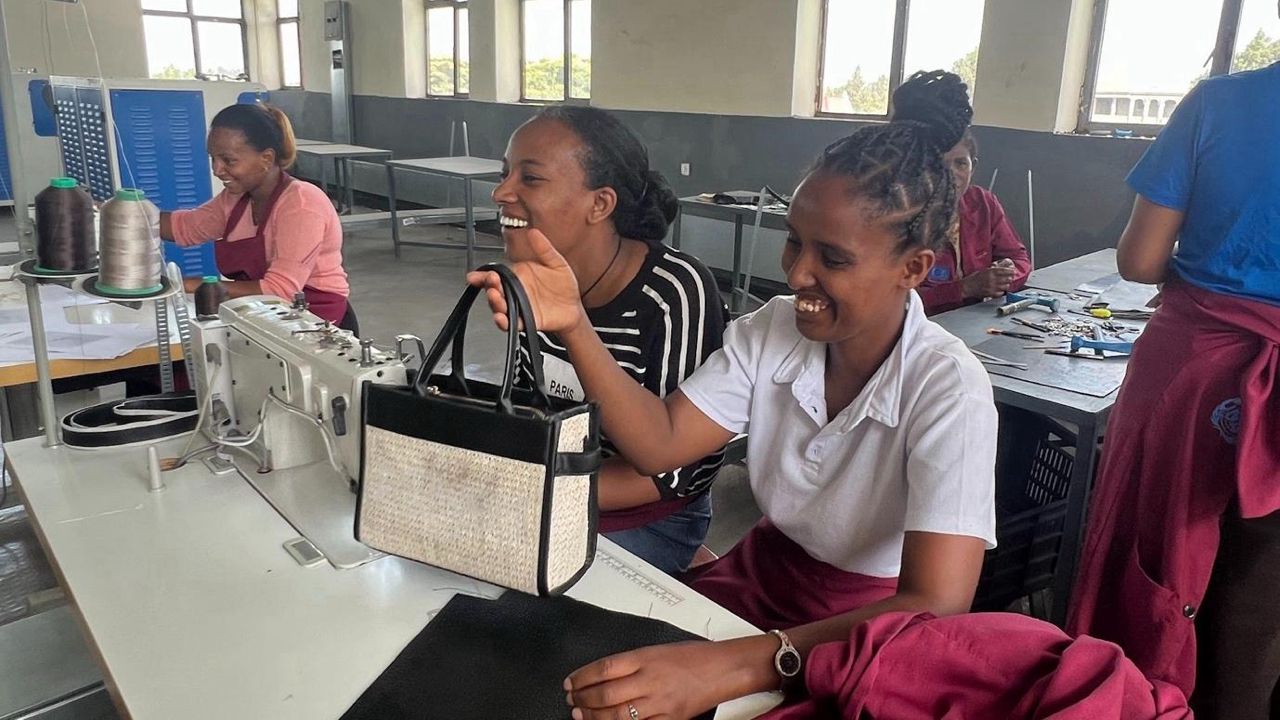
Targeted actions included GBV awareness campaigns, maternity and paternity leave provisions, childcare support, and direct assistance for women-led businesses. Gender trainings, held in local languages, featured real-life case studies and offered many participants their first formal training experience.
Integrated actions ensured that gender equality was not an afterthought. The project developed gender guidelines, trained staff in gender-sensitive practices, revised industry policies to reflect gender perspectives, and hired a dedicated national gender expert. Partner companies were required to set measurable gender benchmarks.
One exemplary partner, Addis Ababa Abattoir Enterprise, promoted women into 60 per cent of department leadership roles, introduced coaching programmes, and established daycare facilities to support working parents.
Measuring Results and Changing Lives
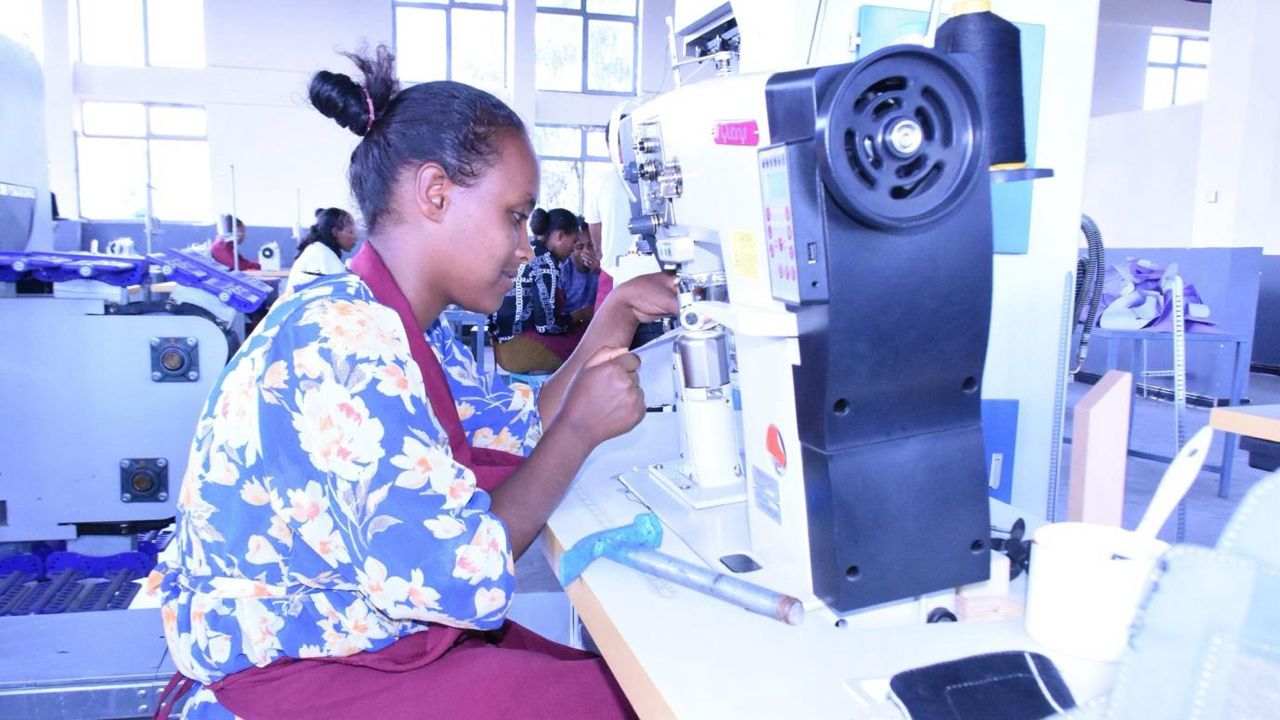
Gender considerations were not only central to implementation but also to monitoring and evaluation. The use of sex-disaggregated data allowed the project to track benefits for both men and women and address any disparities promptly. The national gender expert worked with relevant authorities to ensure accurate reporting and continuous improvement.
The results have been tangible. With access to childcare and flexible breastfeeding hours, women’s sick days dropped to almost zero. Employment and educational opportunities for women and youth expanded significantly. Gender offices, focal points, working groups, and male gender champions were established within companies. Policies on preventing sexual harassment and GBV were added to human resource manuals, and staff received training on gender-sensitive workplace safety. Seventy women completed leadership and assertiveness programmes.
Small and medium-sized enterprises (MSMEs) in the leather value chain also benefited, with women making up 70 per cent of targeted members. The Ethiopian Leather Industry Association achieved gender parity on its board for the first time, and the Ministry of Industry adopted the Gender Action Plan into its annual work plan for the Women and Social Affairs Executive.
A Model for the Future
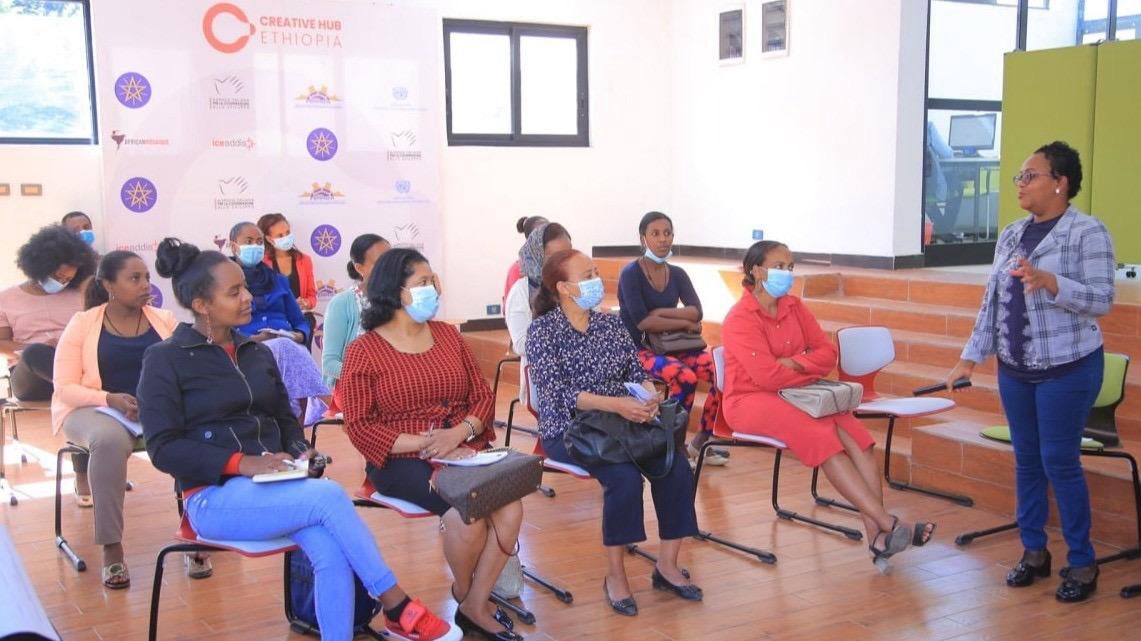
LISEC’s holistic and participatory strategy demonstrates that achieving gender equality in traditionally male-dominated industries is possible. The project’s success lies in its combination of targeted support, systemic integration, and strong leadership from a dedicated national gender focal point.
By challenging cultural norms, revising workplace policies, and ensuring equal access to resources, LISEC has created not only more jobs but better jobs for women. Its impact is being felt well beyond Modjo and serves as a blueprint for similar industries in Ethiopia and across Africa.
In the words of those who witnessed the transformation, gender mainstreaming is no longer a tick-box exercise. It is a sustained commitment to fairness, dignity, and opportunity for all.