
Hunger Crisis Deepens in Northeastern Nigeria as WFP Faces Funding Shortfall
Written By Maxine Ansah

|
Getting your Trinity Audio player ready...
|
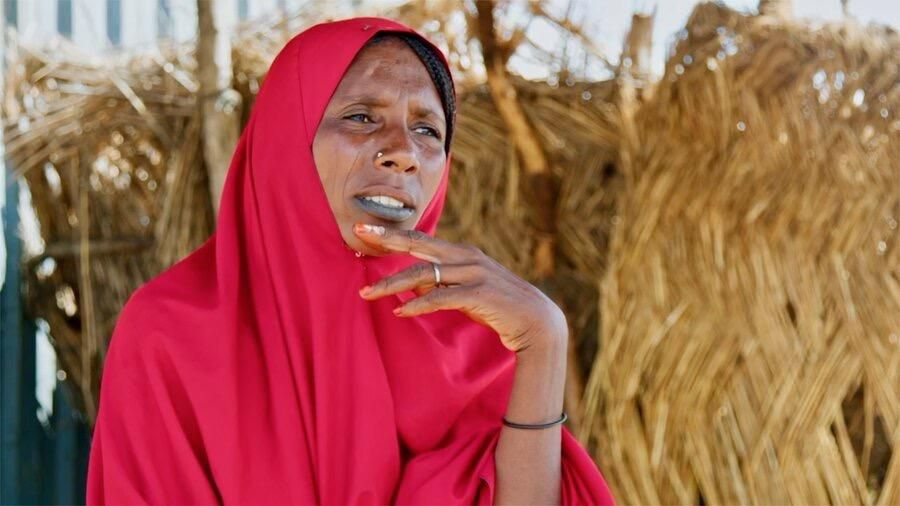
In the dusty expanse of Mafa displacement camp in northeastern Nigeria, 45-year-old Iya counts each day by whether her seven children go to bed fed or hungry. On the good days, there is just enough food to share. On the bad ones, the children fall asleep on empty stomachs in the small mud-brick hut they call home.
“The support we get is not enough,” says Iya, who receives monthly food assistance from the United Nations World Food Programme (WFP). For her safety, her surname is withheld. “As a parent, it is never enough.”
Now, Iya fears the worst. With donations running dry, WFP has begun scaling back food and nutrition support to hundreds of thousands of people in Nigeria’s conflict-hit northeast. This is happening at a time when hunger levels are rising sharply due to prolonged insecurity, displacement and extreme weather. Children are expected to be among the most severely affected.
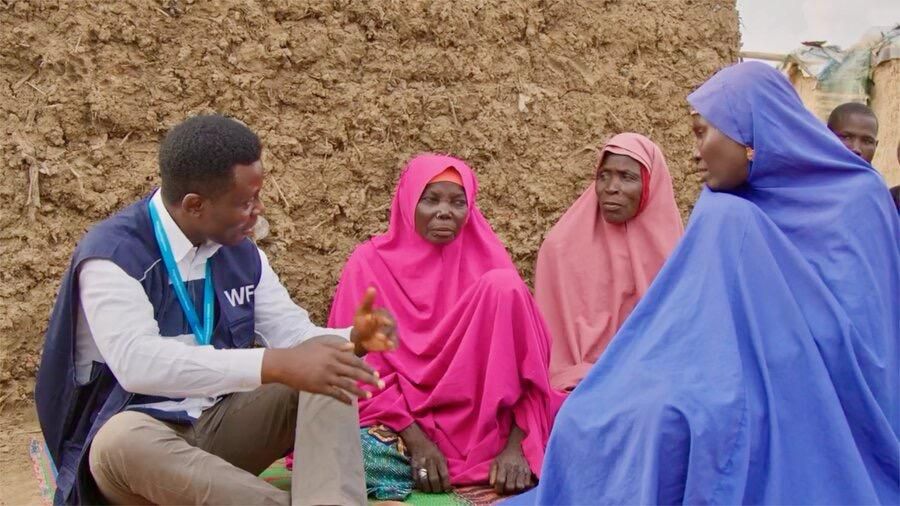
“WFP’s operations in northeast Nigeria will collapse without immediate, sustained funding,” warns David Stevenson, WFP Country Director for Nigeria. “This is no longer just a humanitarian crisis. It is a growing threat to regional stability as families pushed beyond their limits are left with nowhere to turn.”
Of the 31 million people in Nigeria facing severe food insecurity, nearly five million live in Borno, Adamawa and Yobe States. More than 2.3 million people have been displaced by over a decade of conflict. Borno State, where Iya’s family lives, remains the hardest hit.
Earlier this year, WFP’s food and nutrition assistance reached 1.3 million people in the region. Without an urgent influx of funding, that number will be cut in half this month. After that, the organisation warns that assistance could be completely suspended.
“Families here will be left with impossible choices,” says WFP Nigeria Nutrition Officer Dr John Ifuk-Ibot. “Go hungry or flee again.”
Caught Between Danger and Hunger
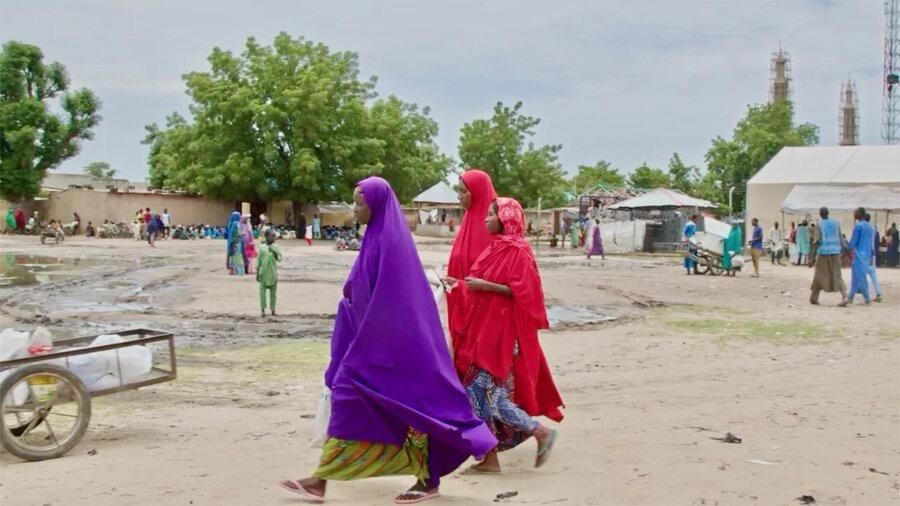
Iya’s life has been shaped by displacement. Ten years ago, she fled her home in Dikwa after armed fighters attacked. Her family crossed into Chad, only to return a year later to Mafa. Going back to their village remains impossible due to ongoing insecurity.
The area around the camp is also unsafe. Armed groups prevent farmers from planting and there are almost no job opportunities. Those who find work often earn less than 30 US cents a day, far below the cost of basic food items.
“If you go outside, there is danger,” says Iya. “But if you stay home, hunger will kill you. All we want is help from someone.”
Nearby, Yaanama, another displaced mother of six, shares similar fears. Her family once farmed in Boskoro village before insurgents attacked eight years ago.
“We had a decent life because we were farming and had food to eat,” she says. Now, she relies on WFP rations and her husband’s occasional earnings from odd jobs and firewood sales. “Some days I wonder if this is how I will die – living in such conditions.”
Malnutrition Threatens Children
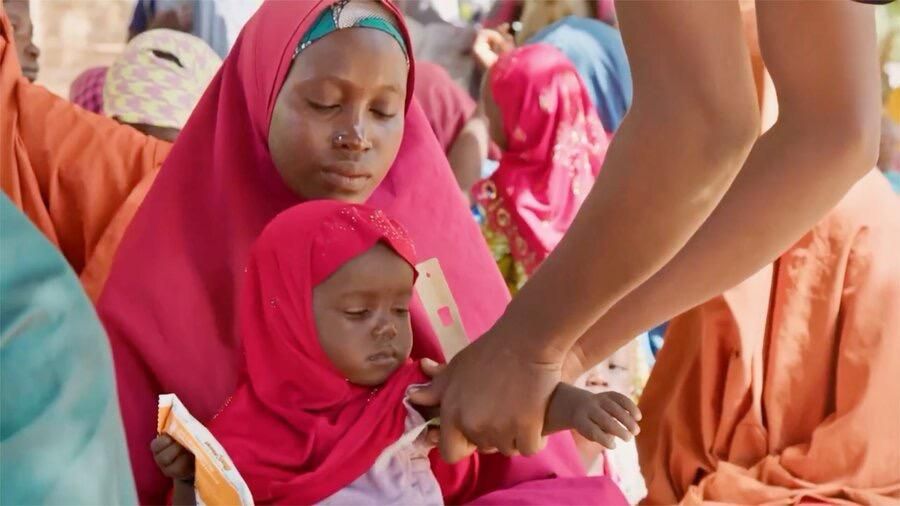
The funding crisis threatens to shut down 150 nutrition centres across Nigeria’s northeast. This would end lifesaving treatment for around 300,000 malnourished children.
At a health clinic in Borno State, two-year-old Ummi is being treated for moderate acute malnutrition. Her mother, Hafsat Rumanu, receives nutrient-packed peanut paste from WFP to help her child recover.
“I am seeing changes. She is getting better,” Rumanu says.
Another mother, Fatima Mustapha Ali, collects the same fortified paste for two of her children. She fears the consequences if the programme stops. “If this intervention ends, we will be in trouble. We shall be thankful if they recover before then.”
The WFP’s work in northeastern Nigeria is currently supported by Canada, the European Union, France, Sweden, the United Nations Central Emergency Response Fund (CERF) and the United Kingdom. However, without immediate new funding, the agency warns that the situation will deteriorate rapidly, leaving millions without the food and nutrition support they desperately need.