

|
Getting your Trinity Audio player ready...
|
A multimillion-dollar auction of a rare Martian meteorite has ignited controversy in Niger, where the space rock was originally found. The West African nation has opened a formal investigation into the circumstances surrounding the meteorite’s export, questioning whether the sale was legal and calling it “comparable to illicit international trafficking.”
On July 16, 2025, Sotheby’s in New York auctioned the meteorite, officially classified as NWA 16788, for $5.3 million, including fees and taxes. The winning bidder, who remains anonymous, acquired what experts describe as the largest Martian meteorite ever discovered on Earth.
Weighing 24.5 kilograms (54 pounds), NWA 16788 far exceeds the average size of Martian meteorites, which are typically no larger than a fist. Its size makes it particularly significant, surpassing the famous Zagami meteorite found in Nigeria in 1962, which weighed about 18 kilograms.
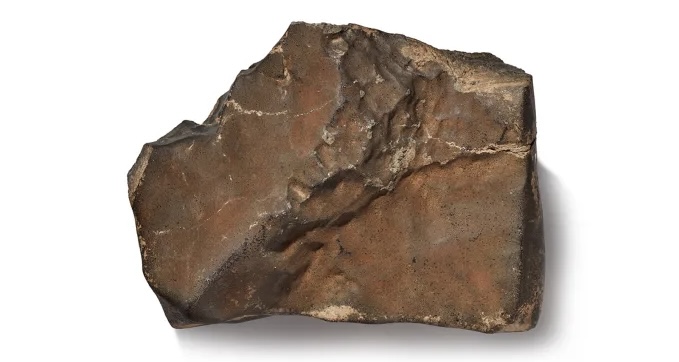
According to Sotheby’s, the meteorite was found in November 2023 in Niger’s remote Agadez region, an arid area known for its vast deserts and occasional meteorite discoveries. The rock’s journey from Niger to the auction house, however, remains shrouded in mystery.
Niger’s authorities say they were never informed of the find, prompting suspicion that it was removed without authorization. The ministries of mines, justice, higher education, and security have been tasked with investigating how such a rare specimen left the country undetected.
Unlike neighboring Morocco, which has clear regulations for meteorite hunters, including permits, reporting requirements, and scientific sample sharing, Niger has no specific legislation covering meteorite finds. This absence of regulation has created ambiguity over ownership and export rights, complicating the government’s case.
Internationally, meteorites are often treated as “finders-keepers” unless national laws dictate otherwise. This has fueled a lucrative global market for space rocks, with collectors, museums, and research institutions all competing for rare specimens.
Sotheby’s has insisted that NWA 16788 was legally obtained and exported. In a statement, the auction house said:
“The meteorite was exported from Niger and transported in line with all relevant international procedures. All necessary documentation was in order at each stage of its journey.”
The auction house added that Niger itself had acknowledged the absence of meteorite-specific legislation, suggesting the sale was not in violation of national law.
Only about 400 Martian meteorites have ever been identified, according to the Natural History Museum in London. These rocks provide rare insights into the geology and history of Mars, since no human has yet set foot on the planet.
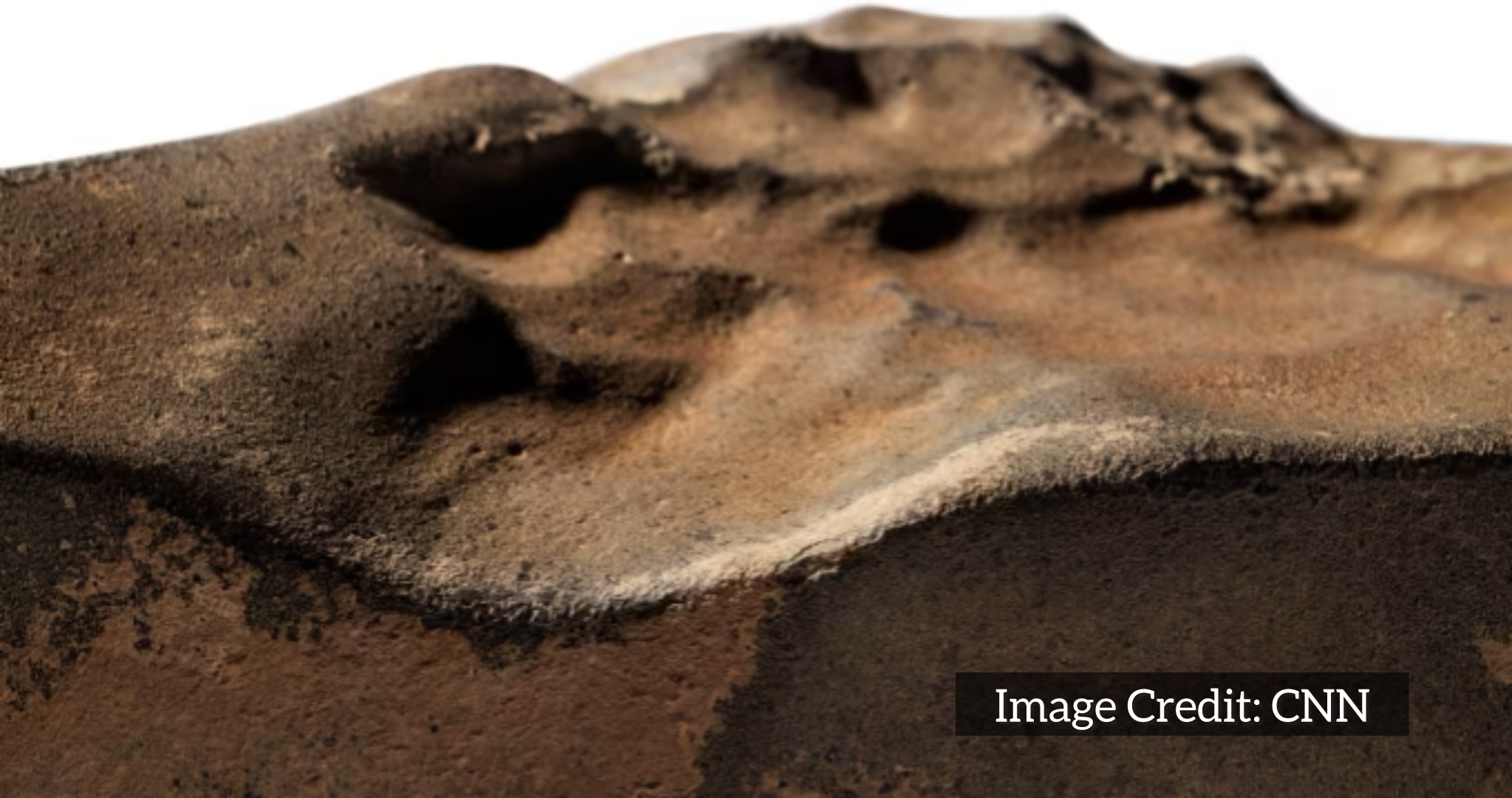
Scientists believe NWA 16788 was ejected from Mars millions of years ago when an asteroid struck the planet. Its surface bears a distinctive glassy crust formed as it hurtled through Earth’s atmosphere. Parts of the rock were even melted into glass from the impact that blasted it off Mars.
Before being auctioned, the meteorite was displayed at the Italian Space Agency in Rome, exhibited in a private gallery in Arezzo, Italy, and partially studied at the University of Florence, where slices remain for ongoing research.
The sale of NWA 16788 highlights a growing tension in the world of natural heritage. While some countries treat meteorites as private property, others classify them as cultural or scientific assets that belong to the state.
A 2024 article in the academic journal Heritage noted that although private collectors often hold the largest meteorite masses, the scientific community stresses the importance of keeping such specimens accessible for research and education.
For Niger, the case raises deeper issues about governance and resource protection. The government is increasingly concerned that, without laws in place, valuable natural and cultural assets, whether terrestrial or extraterrestrial, could be extracted and sold abroad without benefiting the nation.
Analysts argue that Niger’s meteorite investigation mirrors broader struggles across Africa, where countries rich in natural resources often lose value through unregulated extraction and international trade. Just as debates over gold, diamonds, and cultural artifacts have shaped global heritage discussions, meteorites may now join the list of contested assets.
The outcome of Niger’s investigation could set a precedent for how African countries approach meteorite finds in the future. Experts believe this could spark calls for new laws and regulations to govern the discovery, study, and sale of space rocks, ensuring both scientific access and national benefit.
As the dispute unfolds, one thing is clear: NWA 16788 is more than just a rock from Mars. It has become a flashpoint in the global debate over who owns the treasures that fall from the sky, and how nations can balance scientific progress, cultural heritage, and commercial interests.
Source: CNN Science