

|
Getting your Trinity Audio player ready...
|
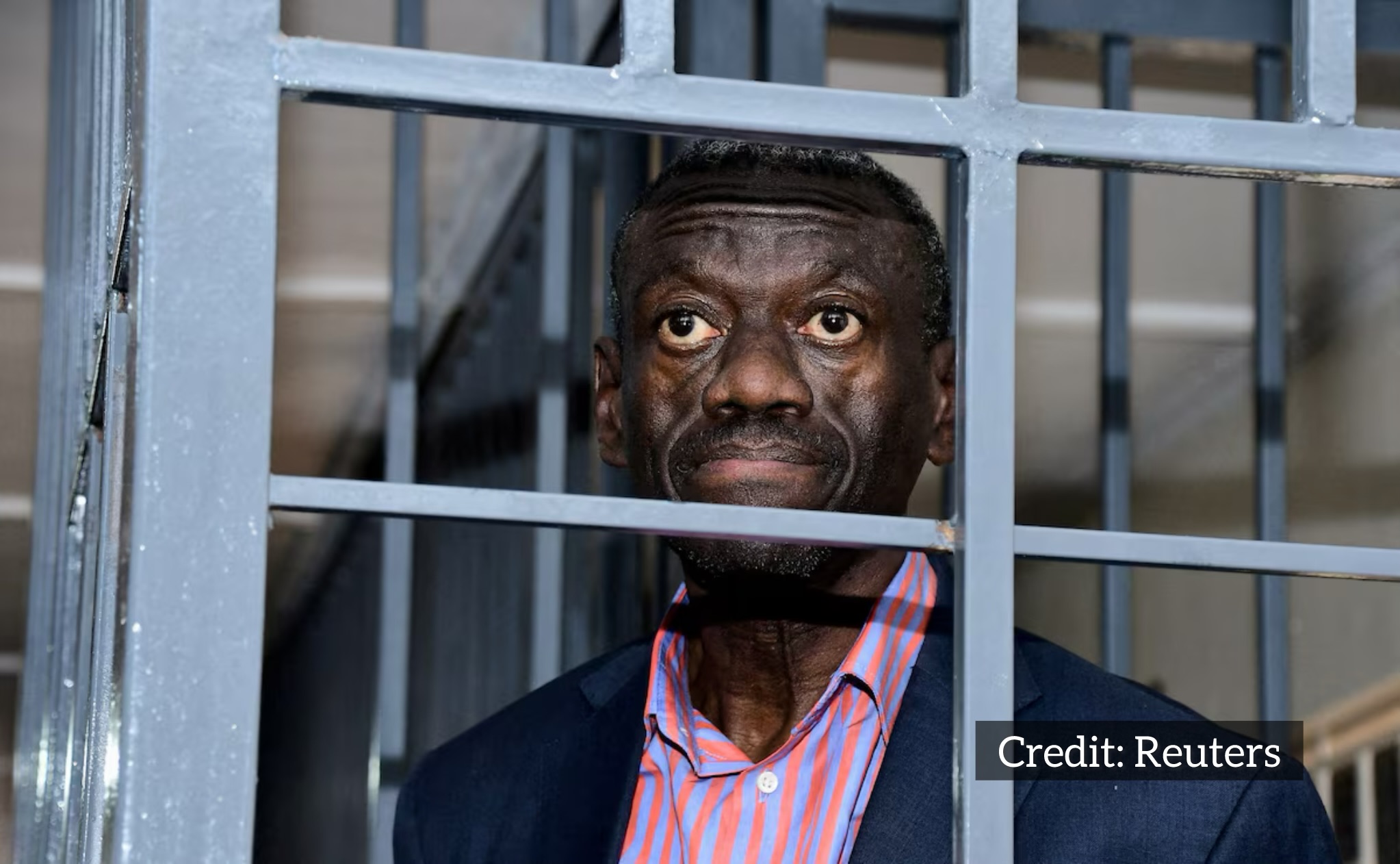
The long-anticipated treason trial of Ugandan opposition leader Kizza Besigye failed to commence on Monday after he and his aide, Obed Lutale, refused to appear in court. The move comes amid accusations of judicial bias against the presiding judge, Emmanuel Baguma.
According to Besigye’s attorney, Eron Kiiza, the defense team requested Judge Baguma to step down from the case, citing his earlier refusal to grant bail as evidence of partiality. When the request for recusal was denied, Besigye and Lutale chose to boycott the proceedings.
“He is incapable of delivering justice with fairness and impartiality as required by the constitution,” Kiiza said in a statement.
The judiciary’s spokesperson, James Ereemye Mawanda, rejected the claims, stating that there was no valid basis for accusing the judge of bias. Judge Baguma has yet to comment publicly on the matter.
The case has drawn significant domestic and international attention as Uganda prepares for elections next year, where long-time President Yoweri Museveni, now 80, is expected to seek re-election. Critics argue that the prolonged detention of opposition figures like Besigye reflects a pattern of political repression.
Besigye, a former ally and personal physician of President Museveni, has previously contested and lost four presidential elections against him. While he has not declared his candidacy for the upcoming polls, his continued legal battles place him at the center of Uganda’s political tensions.
Besigye and his aide were initially arrested in November of last year in neighboring Kenya before being extradited to Uganda. They face charges of treason and other related offenses, first brought before a military tribunal before the case was moved to a civilian court. Both defendants have denied the allegations.
The boycott has left the trial in limbo, with legal analysts questioning whether the proceedings can continue without the defendants present. If the standoff persists, the case could further fuel debates over the independence of Uganda’s judiciary and the government’s commitment to human rights.