

Africa’s AGOA Deal to Get One-Year Lifeline from U.S., Lesotho Minister Reveals

Lesotho’s Minister of Trade, Industry and Business Development, Mokhethi Shelile, has announced that the United States is preparing to extend the African Growth and Opportunity Act (AGOA) by one year, a move aimed at sustaining preferential trade access for African nations amid recent tariff disruptions.
The AGOA program, which has served as a cornerstone of U.S.-Africa trade relations for nearly 25 years, grants duty-free access to thousands of African exports, particularly in textiles and apparel. The current agreement is set to expire on September 30, prompting growing concerns among African producers and policymakers over its future.
Lesotho’s Appeal for Continuity
Speaking at a press conference following a trade mission to Washington from September 15 to 19, Minister Shelile revealed that his delegation held high-level discussions with members of the U.S. House Ways and Means Committee and the Senate Finance Committee, both of which play key roles in shaping trade legislation.
“Our meetings were encouraging. All the officials we engaged with acknowledged the importance of AGOA and agreed it should be extended. We were assured that by November or December, a one-year extension will likely be approved,” Shelile stated.
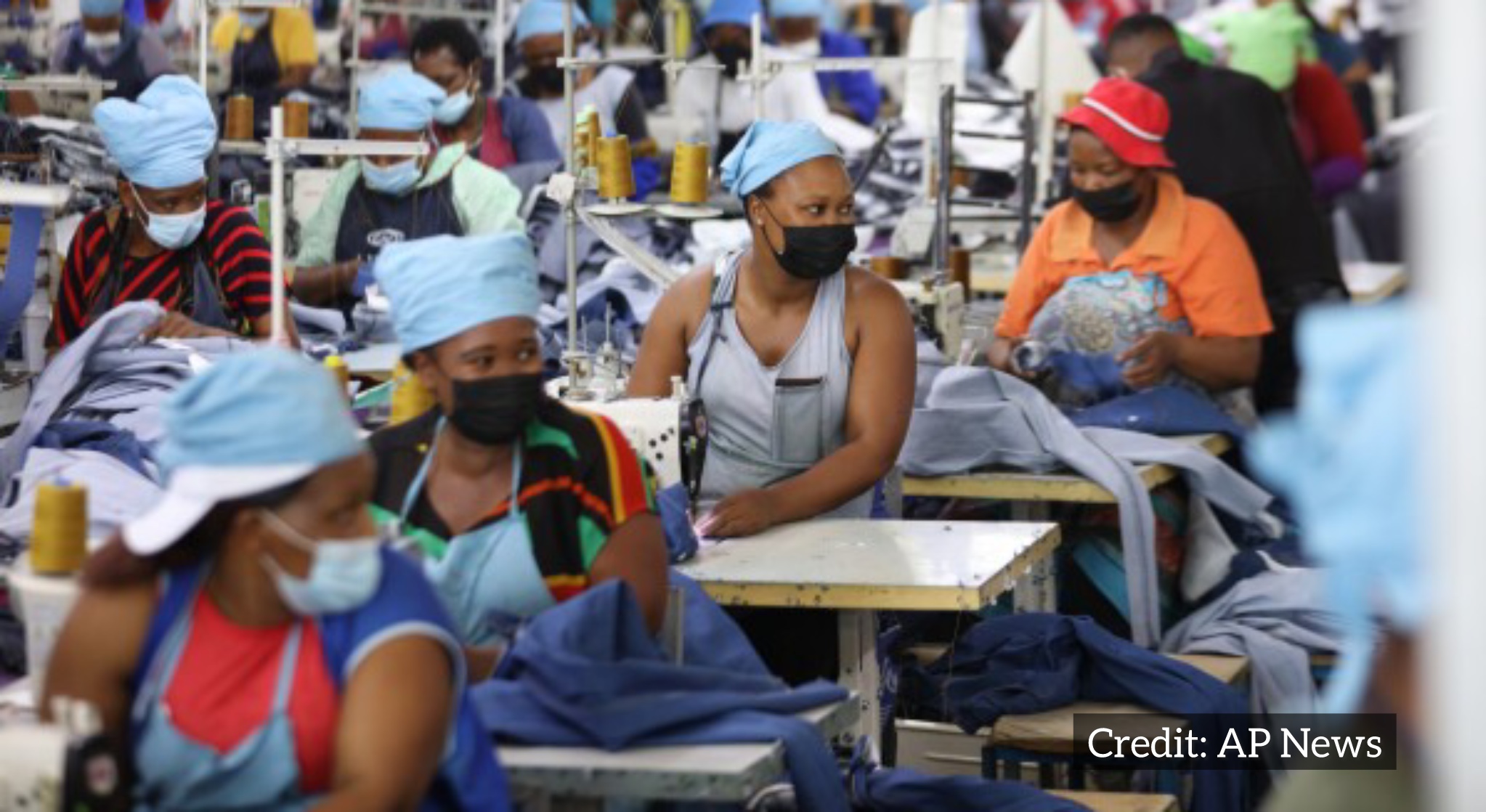
He emphasized that a timely decision is crucial to prevent economic disruption, as any lapse in the agreement could threaten thousands of jobs tied to export manufacturing, especially in Lesotho’s textile sector, which relies heavily on U.S. markets.
Impact of Recent U.S. Tariffs
African economies, including Lesotho, have faced mounting challenges following a series of tariffs introduced by President Donald Trump earlier this year as part of a broader realignment of U.S. trade policy. Initially, Lesotho was hit with a 50% tariff on key exports, one of the highest globally, before the rate was later reduced to 15% in August.
The sudden tariff changes sparked fears of declining competitiveness and job losses across AGOA-participating countries. For Lesotho, where textile manufacturing forms the backbone of its export economy, such measures threatened to derail years of progress in industrial development and poverty reduction.
Economic Stakes and Trade Figures
According to data from the Office of the United States Trade Representative (USTR), U.S. goods and services trade with Lesotho reached $276 million in 2024, representing a 4.6% increase from the previous year. AGOA benefits have played a vital role in sustaining this growth, allowing Lesotho to export garments, footwear, and other products with minimal tariffs.
Without a renewal, factories could face closures, leading to widespread unemployment in a country where manufacturing provides thousands of jobs, particularly for women.
Political Reactions and Uncertainties
While the Lesotho delegation reported positive signals from U.S. lawmakers, some uncertainty remains. A spokesperson for Senate Finance Committee Democrats, led by Senator Ron Wyden, told reporters that the Trump administration had not yet formally communicated its stance on the renewal.
“Ranking Member Wyden continues to support renewing AGOA,” the spokesperson said, emphasizing bipartisan recognition of the program’s importance to U.S.-Africa economic relations.
The White House has not yet issued an official statement regarding the proposed extension.
Looking Ahead
Minister Shelile reaffirmed Lesotho’s commitment to monitoring developments closely, expressing hope that Washington will follow through on its assurances.
“We will be keeping a close eye on the process to ensure the extension is enacted as promised. Any delay could lead to significant job losses and threaten the stability of our manufacturing sector,” he warned.
For now, African nations benefiting from AGOA, including Kenya, Ethiopia, Ghana, and Lesotho, are watching closely, hoping that a short-term extension will pave the way for a more comprehensive, long-term trade arrangement in the near future.
Background: About AGOA
Enacted in 2000, the African Growth and Opportunity Act provides eligible sub-Saharan African countries with duty-free access to U.S. markets for over 6,000 products. The agreement has been credited with boosting trade, creating jobs, and encouraging investment across the continent. Its scheduled expiration has sparked widespread calls for reform or renewal to ensure continued economic partnership between the U.S. and Africa.