
|
Getting your Trinity Audio player ready...
|
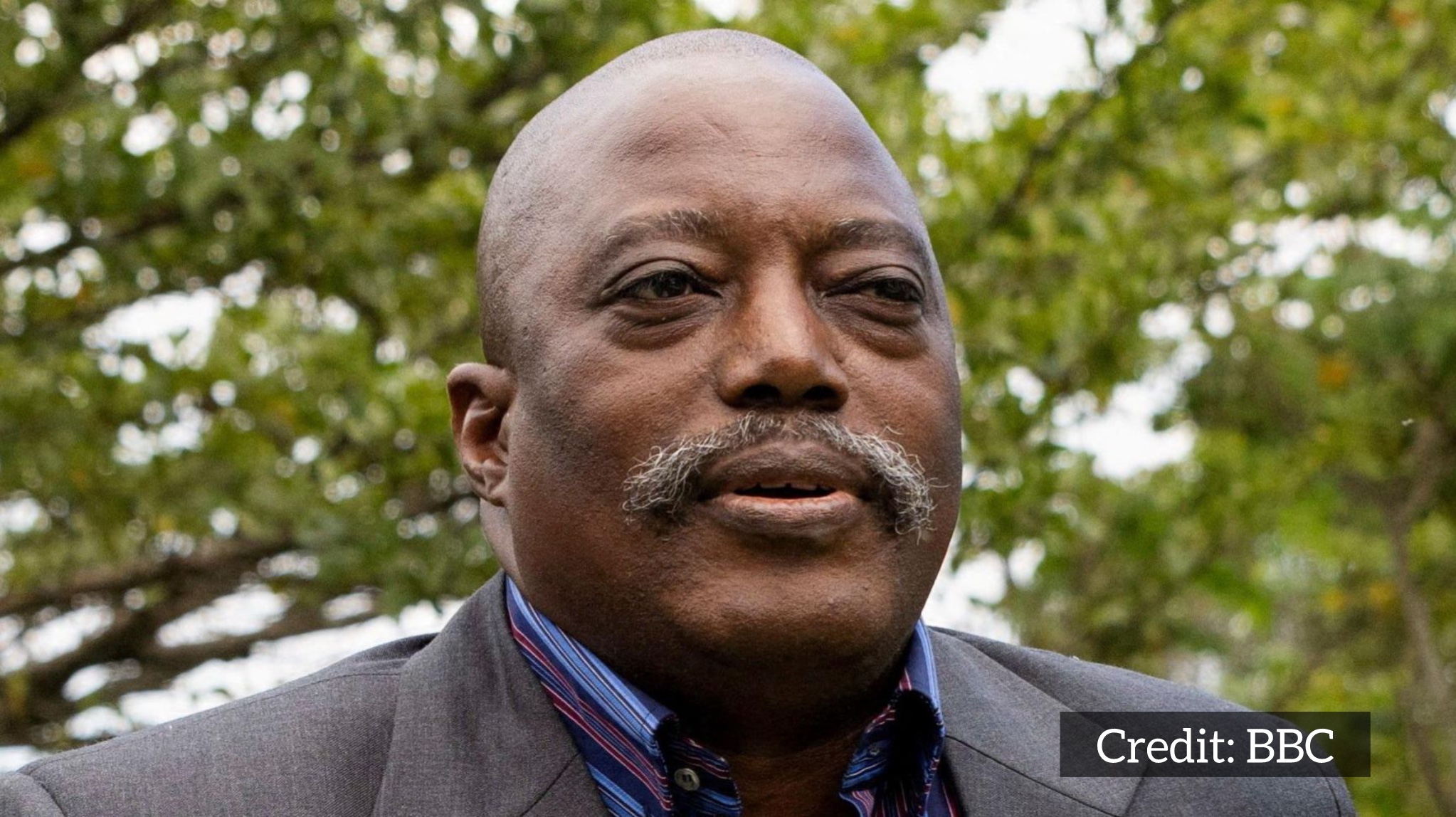
A military court in the Democratic Republic of Congo (DRC) has handed down a death sentence to former President Joseph Kabila, convicting him in absentia on charges of war crimes, crimes against humanity, and treason. The verdict, announced on Friday, marks a dramatic escalation in the country’s political and security tensions.
Allegations and Court Ruling
The court found Kabila guilty of supporting the M23 rebel movement, a militia group that has waged a prolonged and violent campaign in eastern Congo, resulting in widespread civilian casualties, mass displacement, and systematic human rights abuses.
The ruling included charges of murder, sexual violence, torture, and incitement to rebellion, with judges ordering Kabila to pay a staggering $33 billion in reparations for damages linked to his alleged role in the conflict.
Kabila, however, has denied all accusations, labeling the case a politically motivated attack orchestrated by the government of President Félix Tshisekedi. In a statement issued before the verdict, the 54-year-old former leader dismissed the proceedings as “arbitrary” and accused the judiciary of serving as an “instrument of repression.” His current location remains undisclosed, fueling speculation that he may have gone into deeper exile.
Political Fallout and Criticism
The judgment has sparked sharp criticism from Kabila’s allies. Kikaya Bin Karubi, a former minister in Kabila’s government, described the trial as a “political theater” lacking credible evidence. He accused President Tshisekedi’s administration of using the courts to silence opponents and consolidate power.
The M23 rebel group, whose alleged ties to Kabila form the basis of the prosecution’s case, has also rejected the verdict. Bertrand Bisimwa, the group’s leader, argued that the ruling undermines ongoing peace negotiations between the rebels and the Congolese government. “This sentence violates the spirit of dialogue and reconciliation,” he stated on social media platform X.
Background: From Presidency to Exile
Kabila led the DRC from 2001 to 2019, succeeding his father, Laurent-Désiré Kabila, after his assassination. His nearly two-decade rule was marked by periods of instability, contested elections, and accusations of corruption and authoritarianism.
He supported Félix Tshisekedi in the disputed 2019 presidential election, but relations soured in subsequent years. Facing political isolation and allegations of corruption, Kabila reportedly left the country in 2023, settling abroad.
In April 2025, Kabila expressed a desire to contribute to peace efforts in eastern Congo and even traveled to Goma, a city controlled at the time by M23 rebels. The visit reignited accusations from Kinshasa that he was coordinating with the insurgents.
Later, the Congolese Senate revoked his parliamentary immunity, enabling prosecutors to launch formal proceedings. President Tshisekedi has since accused Kabila of masterminding the resurgence of the M23 rebellion.
Conflict in Eastern Congo
The M23 insurgency has destabilized the mineral-rich eastern provinces for years, displacing millions and intensifying regional tensions. Earlier in 2025, the group seized control of key territories, including Goma, Bukavu, and strategic airports.
The United Nations and several Western governments have pointed to evidence suggesting Rwandan military support for M23, alleging Kigali has deployed troops across the border. Rwanda, however, denies direct involvement, claiming its interventions are meant to protect national security and prevent cross-border violence.
Despite a ceasefire agreement signed in July, clashes have persisted, raising concerns over the fragility of peace efforts and the potential for wider regional escalation.
Broader Implications
Kabila’s conviction represents a rare instance of a former African head of state being sentenced to death for war crimes. It also underscores the deep political divisions within the DRC and the complex interplay between domestic politics and armed conflict.
Analysts warn that the verdict could jeopardize peace negotiations and deepen mistrust among opposition groups, potentially inflaming an already volatile situation.
While the former president remains out of reach of Congolese authorities, the ruling is expected to have lasting political and diplomatic consequences, both within the DRC and across Central Africa.