

|
Getting your Trinity Audio player ready...
|
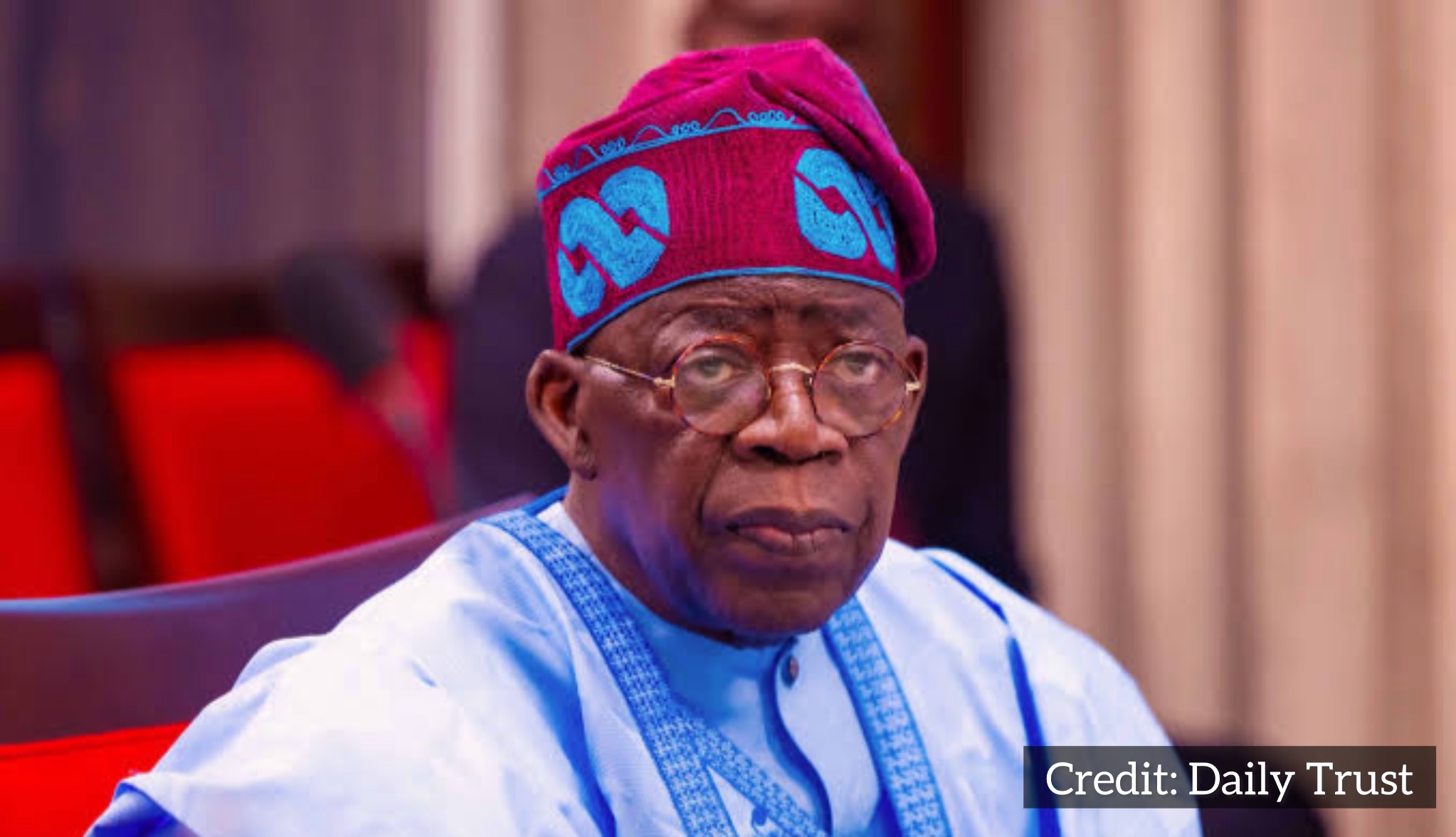
As Nigeria commemorated its 65th Independence Day, President Bola Ahmed Tinubu used his national address to assure citizens that the country is emerging from its toughest economic challenges. Despite widespread hardship and criticism, Tinubu maintained that the difficult reforms undertaken by his administration are beginning to yield tangible results.
Economic Reforms and Their Impact
Since taking office in 2023, President Tinubu has pursued a series of sweeping economic measures, including the removal of fuel subsidies and the unification of the foreign exchange rate. These policies, while aimed at stabilizing the economy and improving fiscal discipline, initially triggered soaring inflation, higher transportation costs, and rising poverty levels, sparking public discontent across the nation.
In his Independence Day broadcast on Wednesday, Tinubu acknowledged the pain caused by these adjustments but insisted they were essential to “reset the nation’s economic foundation.”
“The worst is over,” Tinubu declared, emphasizing that the government’s tough choices are beginning to pay off in measurable ways.
Signs of Recovery
According to the president, Nigeria’s Gross Domestic Product (GDP) grew by 4.23% in the second quarter of 2025, the fastest pace in four years. He also cited a drop in inflation to 20.12% in August, the lowest level in three years, as evidence that the economy is stabilizing.
Other reported gains include:
- Five consecutive quarters of trade surpluses,
- A rebound in oil production to 1.68 million barrels per day,
- An increase in foreign reserves to $42.03 billion, the highest since 2019.
Tinubu said these achievements signal that the country is gradually moving toward sustained growth and resilience.
Social Welfare and Infrastructure Investments
The president announced that his administration had disbursed ₦330 billion (approximately $223 million) to eight million vulnerable households under the government’s Social Investment Programme. He also highlighted ongoing infrastructure development across the country, covering railway networks, road expansion, airport upgrades, and seaport modernization, as part of efforts to stimulate job creation and boost economic activity.
However, civil society groups and opposition leaders have questioned the transparency of the cash transfer initiative. Critics have called for a public registry of beneficiaries to ensure accountability and prevent misuse of funds.
Persistent Challenges
Despite the government’s optimistic outlook, many Nigerians continue to grapple with rising living costs and widespread poverty. According to recent data, over 129 million citizens, more than half the population, live below the poverty line.
A report by the International Monetary Fund (IMF) warned that Nigeria still faces structural vulnerabilities, including persistent inflation, weak revenue mobilization, and slow job growth. Meanwhile, funding cuts from international donors have forced the World Food Programme (WFP) to close 150 nutrition centres in the conflict-affected northeast, heightening humanitarian concerns.
“We are racing against time,” Tinubu admitted, acknowledging that economic recovery must translate into real relief for ordinary Nigerians.
Political Reactions and Labour Unrest
Opposition figures, including Labour Party leader Peter Obi, criticized the president’s remarks, arguing that the administration’s spending priorities fail to address the scale of the country’s economic and social crises.
Adding to the tensions, Nigeria is witnessing growing labour unrest, particularly following the dismissal of 800 workers at the Dangote Oil Refinery for alleged union activities. The dispute has disrupted power supply operations and raised concerns over potential setbacks to the oil production gains celebrated by the government.
Looking Ahead
As Nigeria marks 65 years of independence, the Tinubu administration faces a delicate balance between economic stabilization and social welfare. While recent indicators point to modest recovery, millions of citizens continue to endure hardship, testing public patience and confidence in the government’s long-term strategy.
For many Nigerians, the president’s message that “the worst is over” will be measured not by statistics, but by improvements in daily living conditions, job opportunities, and affordable essentials in the months ahead.