

The United States Department of State has added South Africa and Brazil to its human trafficking watch list, warning that both countries could face sanctions if they fail to improve efforts to combat forced labor, sex trafficking, and other forms of modern slavery.
The decision, announced in the 2025 Trafficking in Persons (TIP) Report, places the two nations in the “Tier 2 Watch List” category, a designation that signals concern over insufficient progress in meeting the minimum standards for eliminating human trafficking, despite some positive steps.
What the Watch List Means
According to the report, countries on the Tier 2 Watch List are required to demonstrate significant progress within the next reporting year. Failure to do so could result in being downgraded to Tier 3, the lowest classification, which carries potential U.S. sanctions.
Under U.S. law, Tier 3 countries may face restrictions on non-humanitarian, non-trade-related assistance, as well as possible limitations on participation in educational and cultural exchange programs. The U.S. President may also direct multilateral development banks, such as the World Bank and the IMF, to vote against providing loans or financial support to these nations, except for humanitarian and trade-related aid.
However, the President retains the authority to waive sanctions if they would severely impact vulnerable groups, including women and children.
Concerns Over Progress in South Africa and Brazil
The 2025 TIP Report acknowledges efforts made by South Africa to address human trafficking, including the establishment of its first sub-provincial task team and several trafficker convictions. However, it also highlights declines in the number of victims identified, cases investigated, and prosecutions initiated compared to previous years.
Similarly, Brazil was credited with certain enforcement measures but criticized for initiating fewer investigations and prosecutions, as well as recording fewer convictions than in earlier reporting periods.
Despite these partial efforts, U.S. officials concluded that both nations failed to demonstrate sufficient progress, prompting their reclassification.
Broader Diplomatic Context
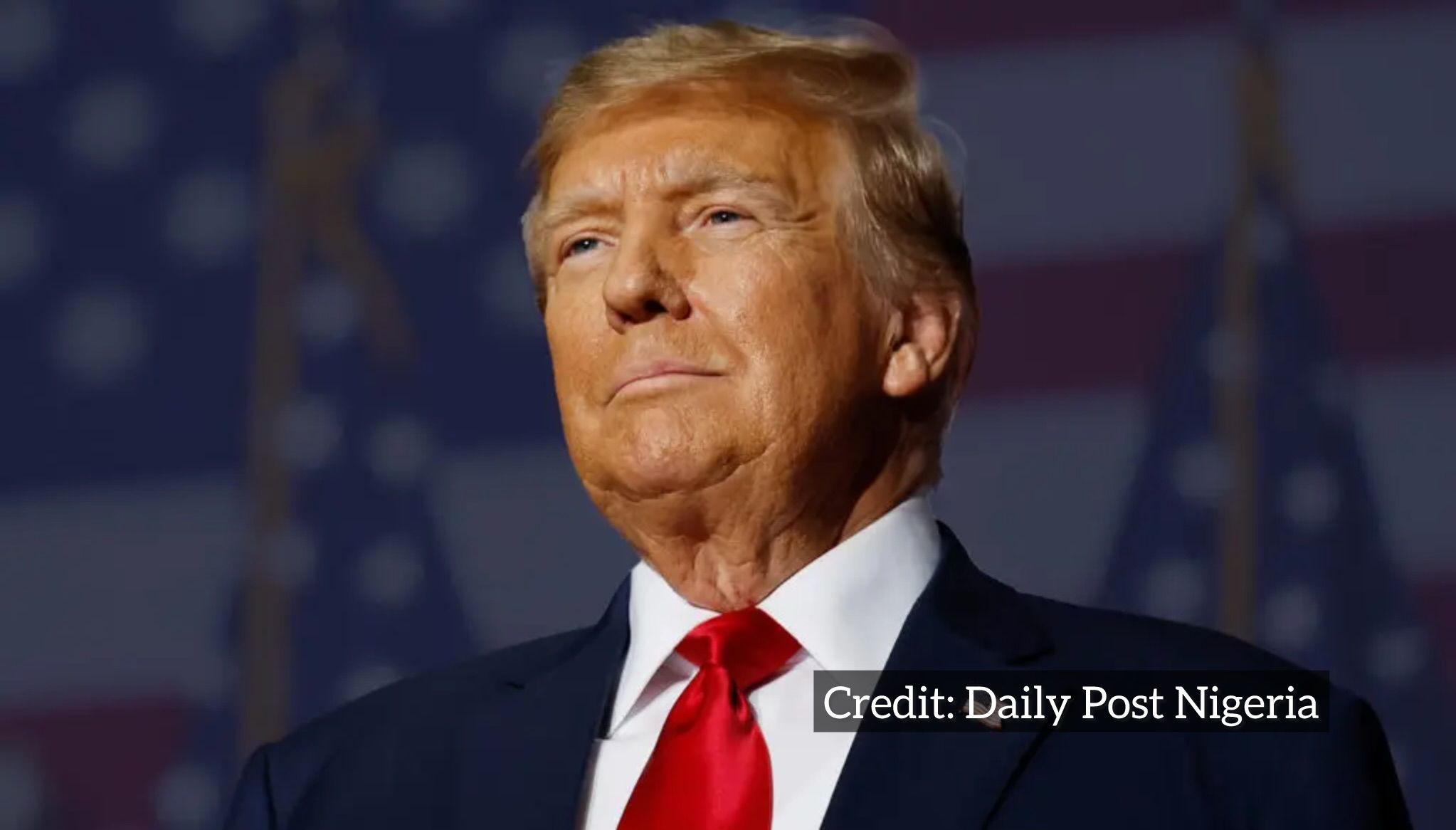
The move comes amid increasing diplomatic friction between the Trump administration and the governments of South Africa and Brazil. President Donald Trump has previously accused South Africa, without evidence, of persecuting its white minority and has rolled out a refugee program targeting that group. Earlier this year, his administration also cut humanitarian aid to the country, citing human rights concerns.
In Brazil, tensions have escalated following the conviction of former President Jair Bolsonaro, a close Trump ally. In response, Washington has imposed tariffs, visa restrictions, and financial sanctions against certain Brazilian officials.
Additionally, U.S. lawmakers have introduced two bills in Congress seeking a comprehensive review of trade relations with South Africa. Proposals under consideration include targeted sanctions on government officials and members of the ruling African National Congress (ANC).
Statement from the U.S. State Department
Secretary of State Marco Rubio described human trafficking as a “devastating crime” that empowers transnational criminal networks and undermines U.S. values and global stability.
“The Trump administration remains committed to protecting American workers, defending our communities, and advancing freedom around the world,” Rubio stated.
However, the State Department declined to discuss country-specific rankings, breaking from previous years when officials held press briefings to explain the report’s findings.
Questions Over Report Delays and Staffing Cuts
The 2025 TIP Report was released three months behind schedule, amid concerns over significant staff reductions in the Office to Monitor and Combat Trafficking in Persons, which is responsible for compiling the annual assessment.
Deputy Secretary of State Michael Rigas told Congress in July that the office’s workforce had been reduced by 71%, part of a wider downsizing across the department. Responding to criticism from lawmakers, Rigas argued that most of the affected staff were report writers and that the core monitoring function remained intact.
Democratic legislators have raised alarms about the delayed publication and the potential politicization of the TIP rankings, suggesting that foreign policy tensions may be influencing the evaluations.
Next Steps and Potential Consequences
Under U.S. law, any country remaining on the Tier 2 Watch List for two consecutive years faces an automatic downgrade to Tier 3 in the third year if it fails to show substantial progress.
If South Africa and Brazil do not improve their anti-trafficking frameworks within the next year, they risk facing financial penalties, aid restrictions, and reputational damage in international development and diplomatic circles.
The watch list designation underscores growing scrutiny of governance, human rights, and law enforcement capacity in both countries, at a time when their relationships with Washington are already under strain.