


|
Getting your Trinity Audio player ready...
|
Somali authorities have confirmed the deaths of seven Al-Shabab militants following a violent assault on a maximum-security prison in the heart of Mogadishu. The brazen attack, which occurred Saturday evening, targeted the Godka Jilicow detention facility, a heavily fortified compound known for holding members of the extremist group and other high-risk detainees.
According to officials, the militants launched their offensive by disguising themselves as government soldiers, allowing them to approach and infiltrate one of the capital’s most secure areas. Residents reported hearing a massive explosion followed by intense gunfire as security forces clashed with the attackers.
The Somali government announced on Sunday that all seven assailants were neutralized during the confrontation. While authorities did not release official figures regarding casualties among security personnel, they expressed condolences to the families of those who lost their lives defending the facility, referring to them as “fallen heroes.”
Militant Claims and Government Response
In a statement issued through their media channels, Al-Shabab claimed responsibility for the operation, alleging they had freed “Muslim prisoners” and inflicted significant losses on government forces. However, Somali officials have not confirmed any successful prison breaks, and details regarding the extent of damage remain unclear.
The assault began around 4:40 p.m. local time (13:40 GMT) and lasted several hours as government security forces worked to regain control of the compound.
Strategic Location Raises Security Concerns
The Godka Jilicow facility, operated by the National Intelligence and Security Agency (NISA), sits near the Somali presidential palace, a zone considered one of the most secure in Mogadishu. The attack has raised serious questions about how militants managed to breach such a highly protected area, suggesting potential gaps in intelligence or operational security.
Security analysts have described the incident as a significant blow to NISA, given the prison’s role in detaining high-profile Al-Shabab operatives.
Longstanding Conflict and Security Context
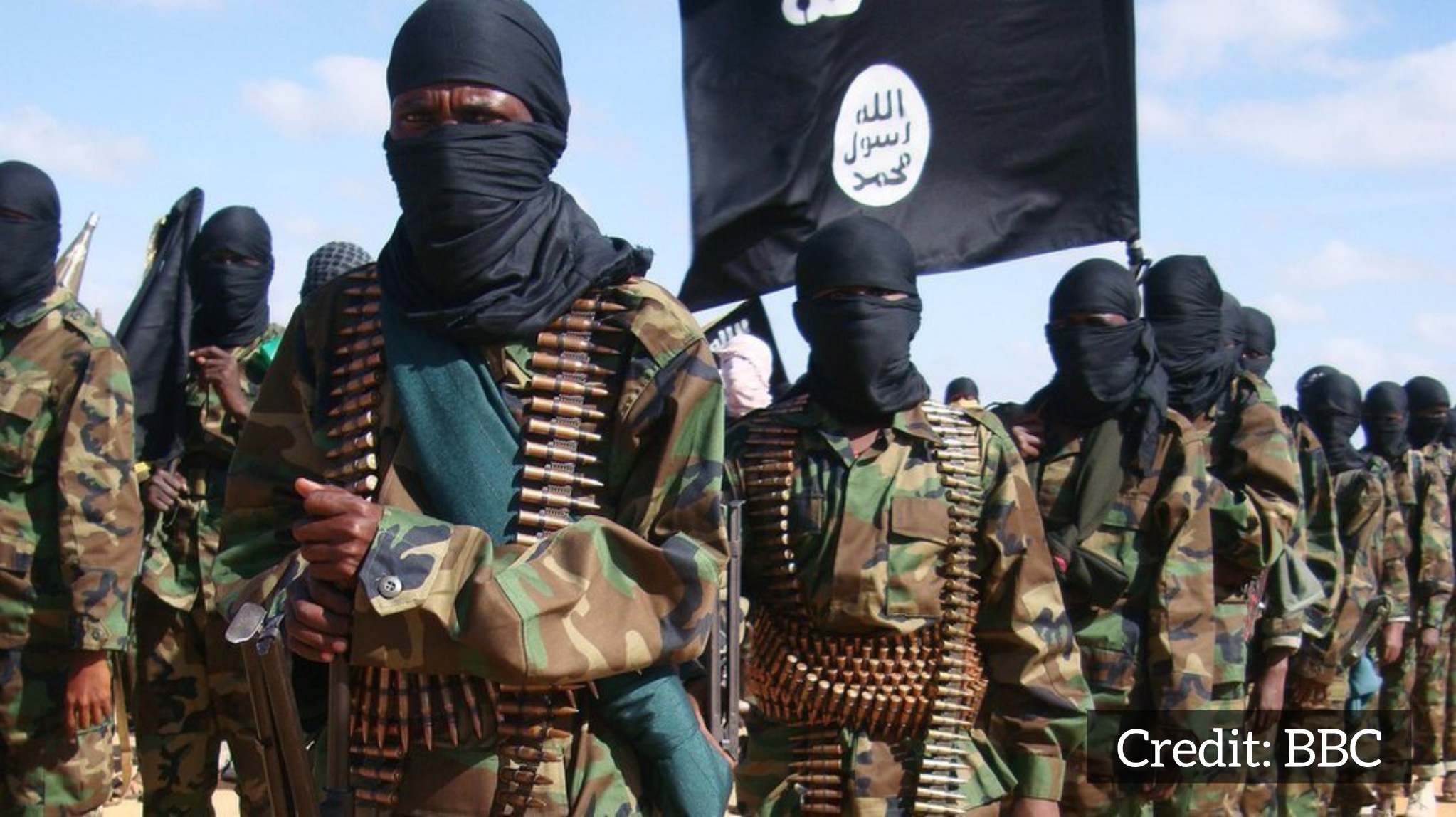
Al-Shabab, an al-Qaeda-affiliated militant organization, has waged an insurgency against Somalia’s internationally backed government for nearly two decades. The group continues to carry out bombings, assassinations, and coordinated assaults targeting government institutions, security forces, and civilians.
Ironically, the attack came just hours after the government reopened several key roads in Mogadishu, citing improved security conditions in the city. The timing of the assault underscores the persistent threat posed by Al-Shabab, despite recent military offensives and international support aimed at weakening the group.
Next Steps and Implications
In the wake of the incident, Somali authorities are expected to review security protocols and assess how the attackers obtained access to such a secure zone. The government has vowed to maintain pressure on Al-Shabab and continue operations aimed at dismantling their networks across the country.
The assault serves as a stark reminder of the ongoing instability in Somalia and the challenges facing the government as it works toward restoring peace and strengthening national institutions.
Credit: BBC Africa