
Belgian Diplomat to Stand Trial Over Patrice Lumumba Assassination in Historic Justice Milestone

|
Getting your Trinity Audio player ready...
|
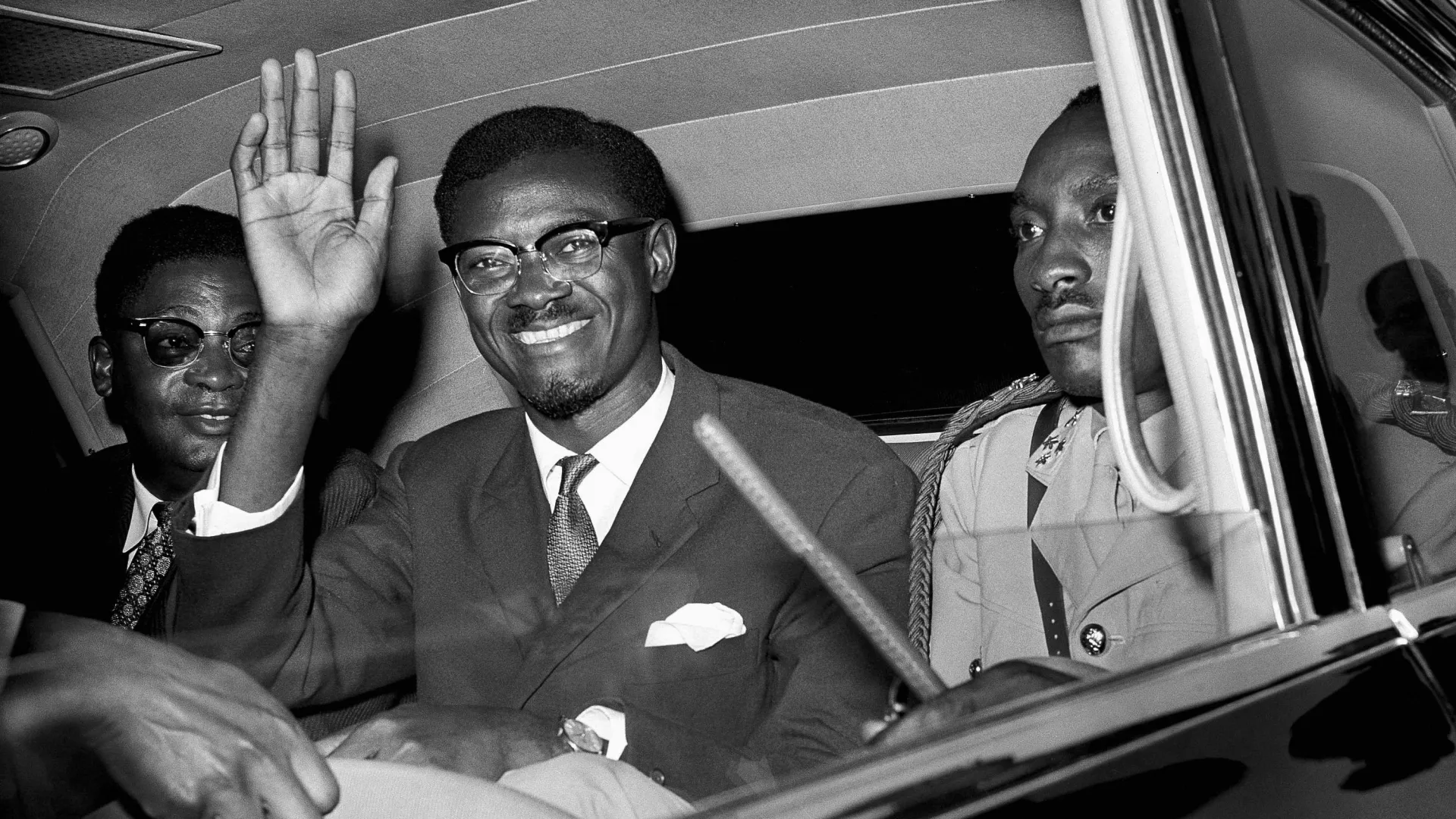
A Belgian court has ordered a former diplomat to stand trial over the assassination of Congo’s independence leader Patrice Lumumba, marking a historic moment in one of Africa’s most defining and unresolved political tragedies.
The decision places Étienne Davignon, now 93, at the center of a long-delayed legal process tied to Lumumba’s killing in 1961 — a moment that reshaped not only the trajectory of the Democratic Republic of Congo, but the broader post-colonial history of Africa.
More than six decades later, the case signals a shift: Africa’s past is no longer beyond accountability.
A Case That Defined a Continent
Lumumba rose to power in 1960 as the first prime minister of an independent Congo, becoming a symbol of African sovereignty, anti-colonial resistance, and political self-determination.
But his time in office was short.
Within months of independence, he was overthrown, detained, and ultimately executed on January 16, 1961, in the mineral-rich Katanga region — a killing widely linked to Belgian involvement and Cold War geopolitical tensions.
A 2002 parliamentary inquiry in Belgium concluded the state bore “moral responsibility” for his death.
Now, for the first time, that responsibility may be tested in court.
The Charges and the Significance
Prosecutors accuse Davignon of involvement in Lumumba’s unlawful detention and transfer, as well as depriving him of a fair trial and subjecting him to degrading treatment.
He is also linked to the killings of Lumumba’s allies, Maurice Mpolo and Joseph Okito.
If proceedings move forward, this would mark the first criminal trial connected to Lumumba’s assassination in 65 years — and the first time a Belgian official faces direct judicial scrutiny over the case.
Out of 10 individuals accused by Lumumba’s family, Davignon is the only one still alive.
A Family’s Long Fight for Truth
The case was brought forward by Lumumba’s family, whose decades-long pursuit of justice has pushed the issue back into international legal and political consciousness.
“This is a step in the right direction,” said his granddaughter, emphasizing that the goal is not only accountability, but clarity.
Their legal team described the ruling as a “gigantic victory,” noting that few believed Belgium would seriously investigate its own colonial past when the case was first filed in 2011.
Memory, Violence, and Erasure
Lumumba’s assassination remains one of the most symbolic acts of political violence in African history.
His body was dissolved in acid in an attempt to erase evidence — leaving behind only a single gold-capped tooth, which was returned to his family in 2022 during an official ceremony.
That act of restitution, while significant, did not close the chapter.
It reopened it.
Africa Reclaims Its Narrative
This trial is not only about one man or one moment.
It represents a broader shift across Africa and the diaspora: a refusal to allow history to remain buried, distorted, or externalized.
From restitution debates to legal accountability, African nations and families are increasingly asserting control over their own historical narratives.
Lumumba’s story — once shaped largely by external powers — is now being reclaimed through law, memory, and public consciousness.
A Turning Point, Not a Conclusion
Whether the trial results in conviction or not, its existence alone marks a turning point.
For decades, colonial-era crimes operated in a space beyond consequence.
That space is narrowing.
Africa is no longer only a site of history.
It is an active force in redefining it.
Patrice Lumumba assassination, Congo independence history, Belgium colonial crimes Africa, Étienne Davignon trial, Lumumba Belgium responsibility, DR Congo political history, African independence leaders history, Congo 1960 independence crisis, Lumumba execution 1961, Belgian role in Congo assassination, Africa colonial justice cases, Congo political assassinations history, Lumumba family justice case, African anti colonial leaders, Belgium Congo relations history, colonial accountability Africa, Lumumba trial Belgium 2026, African historical justice movements, DR Congo colonial legacy, African post colonial politics, Lumumba legacy Africa, Congo political history timeline, African independence movements leaders, Belgian colonial history Congo, Lumumba death investigation, African political history justice, colonial crimes prosecution Africa, Lumumba Belgium court case, Congo Katanga crisis history, Lumumba allies Mpolo Okito, Africa Cold War politics history, Congo crisis 1960s, African sovereignty leaders history, Lumumba anti colonial symbol, Belgian government Congo apology, Lumumba remains returned 2022, Congo independence struggle history, Africa historical justice movement, Lumumba biography political leader, Congo leadership crisis 1960, African decolonization history, Belgian colonial legacy Africa, Lumumba execution details history, Congo national hero Lumumba, Africa reclaiming history narrative, African political justice cases, Lumumba family legal case Belgium, Congo political memory history, Africa colonial restitution debate, Lumumba symbolic legacy Africa, Congo governance post independence, African liberation leaders history, Belgium Congo investigation case, Lumumba global political impact, African anti imperialism history, Congo political transformation history, Lumumba Cold War context Africa, African justice system colonial crimes, Lumumba influence Africa politics, Congo historical accountability, African political leadership legacy, Belgium Africa colonial relations, Lumumba trial significance Africa, Congo national identity history, Africa reclaiming historical narrative, Lumumba legal case updates, African independence era politics, Congo political conflict history, Lumumba assassination global reaction, African leadership struggles history, Congo historical memory justice, Lumumba impact on Africa unity, Belgian diplomat trial Africa case, Africa justice for colonial crimes, Congo political justice movement, Lumumba historical importance Africa, African governance post colonialism, Congo crisis legacy Africa, Lumumba resistance symbol Africa, African history legal accountability, Congo political reforms history, Lumumba story Africa narrative, African leaders assassinated history, Congo political struggle independence, Lumumba trial global significance, Africa reclaiming past justice, Belgian colonial crimes trial Africa, Congo independence leader Lumumba, African political history global impact, Lumumba justice movement Africa, Congo national narrative history, Africa legal accountability colonial past.