
Assimi Goïta Confronts Deadly Fuel Shortages Amid Growing Insurgency

|
Getting your Trinity Audio player ready...
|
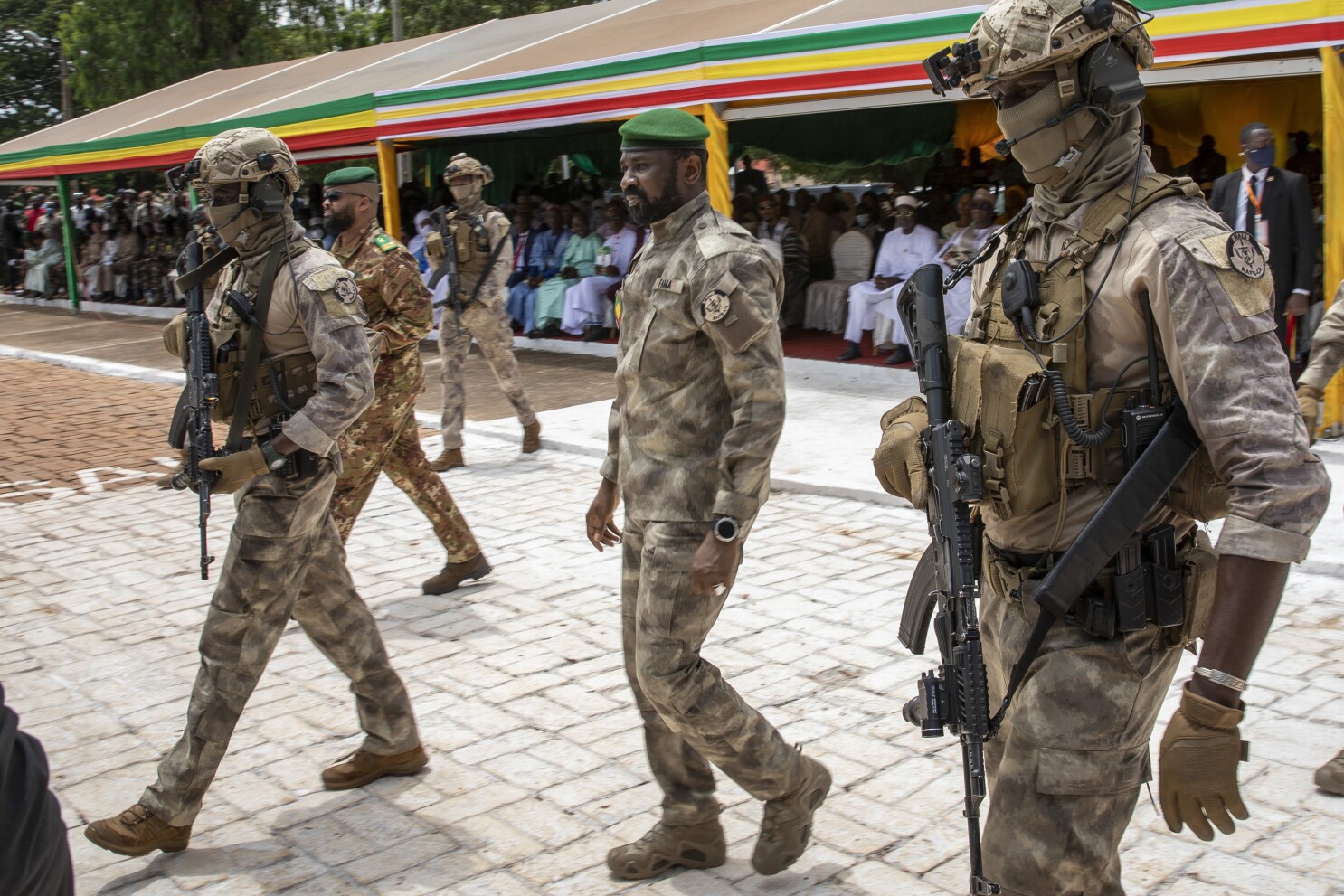
Mali’s military leader Colonel Assimi Goïta has publicly addressed the country’s worsening fuel crisis for the first time, confirming that militant blockades are choking vital supply routes and costing civilian lives.
Speaking during a visit to Bougouni to inaugurate a new lithium mine, Goïta described a dire situation in which fuel convoys are being ambushed, with tankers set ablaze and drivers burned alive. “People are dying during the escort of the fuel tanker convoy,” he said somberly.
The crisis stems from a blockade imposed by Jama’at Nusrat al-Islam wal-Muslimin (JNIM), an al-Qaeda-linked group that announced in early September it would cut off fuel imports from Mali’s coastal neighbors. The militants say they are retaliating against government restrictions on fuel supplies to rural areas—measures introduced to weaken insurgents hiding in the desert.
A Nation Running on Empty
Hundreds of tankers remain stranded at Mali’s borders with Senegal and Côte d’Ivoire, pushing the landlocked nation’s fragile economy to the brink. Fuel shortages have forced schools to close, embassies to scale back operations, and households to endure long blackouts.
In the capital Bamako, queues at petrol stations stretch for hours, with some citizens spending the night in their cars waiting for fuel. The government has advised Malians to limit travel and has deployed troops to escort shipments, though attacks on convoys continue despite airstrikes against militant bases.
Strategic Stakes Beyond Fuel
This crisis comes at a critical moment for Mali’s junta, which seized power in 2021 and has positioned itself as a champion of sovereignty against foreign interference. The fuel blockade threatens to undo fragile economic progress, disrupt mining operations, and deepen public frustration in a country already grappling with inflation, insecurity, and international isolation.
For Goïta’s government, the challenge is as much political as logistical: proving that national self-reliance can endure under pressure. Analysts say the lithium mine inauguration—symbolic of Mali’s push for economic diversification—was meant to project stability even as the energy crisis reveals the limits of central control.
What This Means for the Sahel
The blockade highlights how extremist groups are weaponising basic resources to destabilise governments across the Sahel. It underscores a regional pattern—seen in Burkina Faso and Niger—where jihadist networks are not only fighting militarily but also choking economic arteries.
As international aid flows decline and sanctions remain in place, Sahelian nations are being forced to navigate crises with limited external support, testing both resilience and regional solidarity.
The Voice of Africa Says
Africa’s stability cannot run on borrowed fuel.
Mali’s crisis is a reminder that energy security is national security—and that sovereignty must be built on infrastructure as much as ideology.
If the Sahel is to rise, it must power itself—literally and politically—from within.