
Kilimanjaro Has Lost 75% of Its Natural Plants — And Climate Change Isn’t Even the Main Culprit

|
Getting your Trinity Audio player ready...
|
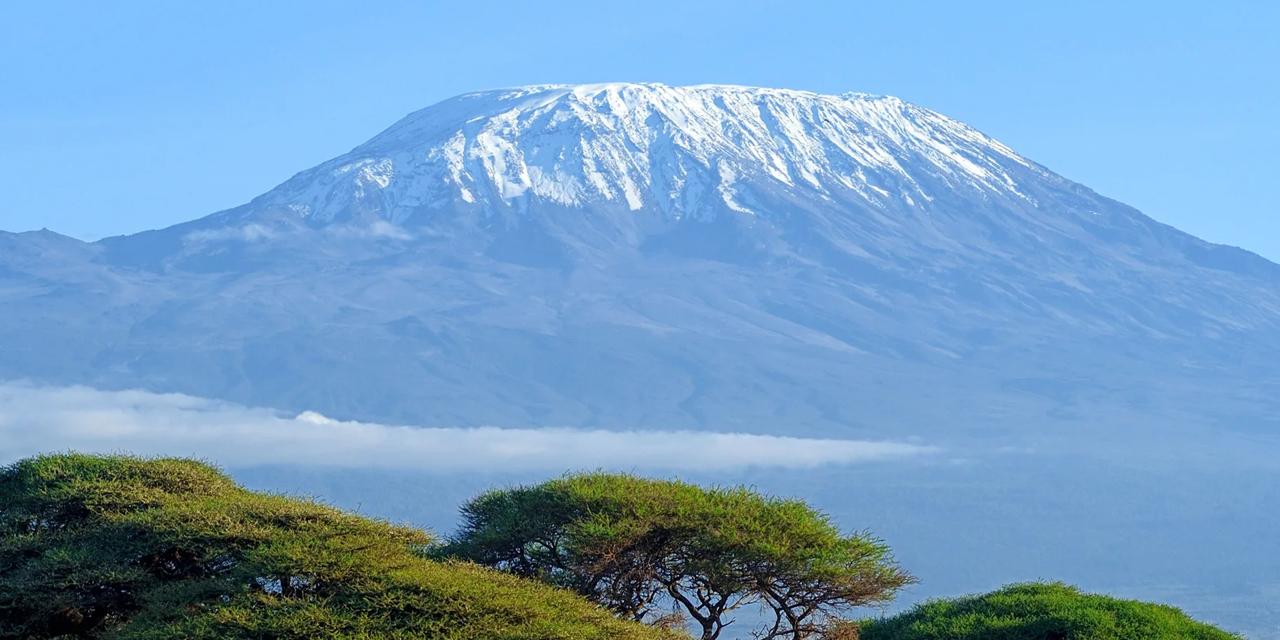
Mount Kilimanjaro sells the world a fantasy: snow-capped peaks, untouched nature, the postcard Africa outsiders love to imagine. But the real story isn’t at the summit. It’s at the foot of the mountain — where the ecosystems that once defined East Africa’s beauty are disappearing at a staggering pace.
A new long-term study published by The Conversation and led by plant systematics researcher Andreas Hemp reveals a reality that flips the global climate narrative on its head: 75 percent of Kilimanjaro’s indigenous plant life has been wiped out in the last century — and the biggest destroyer is not climate change. It’s us.
After reviewing 46 years of satellite imagery, historical maps, census records from 1913, and nearly 3,000 plant species across 1,600 field plots, researchers found one overwhelming pattern: as farms, towns, and infrastructure expanded, biodiversity collapsed.
In 1911, 90 percent of Kilimanjaro’s lower slopes were natural habitat. Today, only 19 percent remains.
The population around the mountain has exploded from 50,000 people in 1890 to over 1.4 million today — a 28-fold increase, and the land has paid the price.
The findings strip away a comfortable global narrative: the idea that ecosystem loss is mostly an abstract “future climate problem.” On Kilimanjaro, biodiversity loss has nothing abstract about it. The destruction is happening right now, and humans — not rising temperatures — are driving it.
Yes, Kilimanjaro’s glaciers are shrinking. Yes, warming is real. But the biodiversity collapse is happening below the ice, where warming is slow and rainfall hasn’t significantly changed. The real damage comes from land conversion, invasive plant species, and expanding towns and farms that have replaced savanna woodlands and forests.
What’s left is an ecological island in danger of becoming fully fragmented.
Yet the data also shows hope.
Where local communities protect land — such as the Rau Forest Reserve or the Namalok private reserve — species richness increases dramatically. Indigenous agroforestry systems, like the Chagga home gardens, demonstrate that farming and biodiversity can coexist when land use planning is intentional.
Africa’s broader takeaway?
This isn’t just a Kilimanjaro problem. It’s the same story playing out from the Congo Basin to the Sahel: land politics, not just climate, is driving the continent’s fastest biodiversity losses.
And while the world gathers at expensive climate conferences debating the future, the actual work — the protection, restoration, and governance — is happening on the ground. In places like Moshi, not Davos.
If Africa wants to protect its ecological heritage, the priority is clear:
Stop destroying the land species live on. Protect what remains. Support the communities that steward these ecosystems. And build development models that don’t erase the environment in the process.
Kilimanjaro isn’t just a mountain.
It’s a warning — and a roadmap — for a continent building its future.