
UN Secretary‑General Calls for Financial Reform and African Representation During Visit to Angola — Why It Matters for Africa
BY MAXINE ANSAH

|
Getting your Trinity Audio player ready...
|
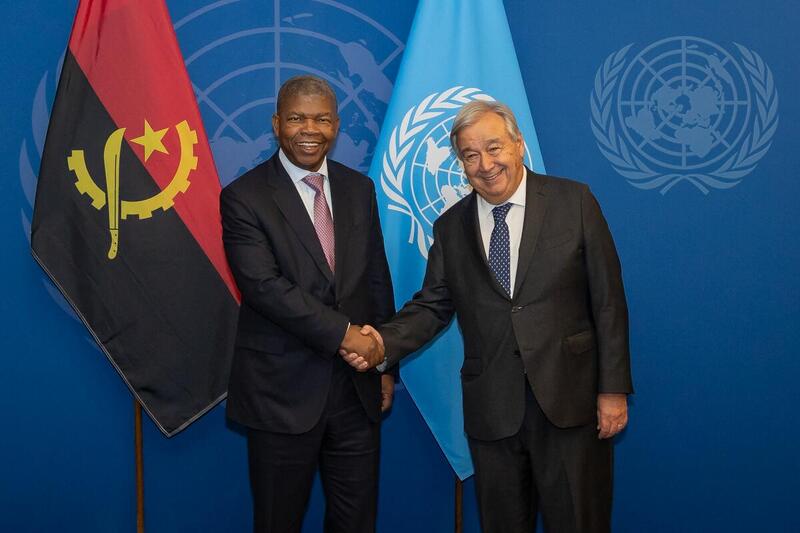
United Nations Secretary‑General António Guterres concluded a three‑day official visit to Angola, using the trip to amplify one message the continent has demanded for decades: Africa must finally receive fair representation and fair financing on the global stage. Landing in Luanda on 23 November, Guterres met with Angola’s President João Lourenço, addressed the African Union–European Union Summit, and delivered a rare speech at the National Assembly urging sweeping reform of the international financial system. He argued that today’s global architecture punishes African states for crises they did not create, calling the current system outdated, unequal and designed for a world that no longer exists. The Secretary‑General stressed that as global power shifts toward a multipolar reality, Africa and Europe — representing 40% of UN Member States — must use their collective influence to shape a more just international order. He pushed for African nations to hold their rightful seats in global financial institutions and at the UN Security Council, a demand long echoed by African leaders who argue that decisions affecting the continent are too often made without it.
Guterres warned that inequalities, climate chaos and technological disruption are reshaping global politics faster than institutions can adapt. He insisted that the world cannot afford a return to Cold War‑style blocs dominated by major powers, calling instead for “interconnected multipolarity,” where international cooperation overrides geopolitical rivalry. His message was clear: Africa must not be sidelined in decisions that determine financing, development, trade, climate response and security. In discussions with Angola’s National Assembly leadership, he emphasized the need for predictable financing for developing countries, stressing that African economies should not be forced into debt traps or penalized with high borrowing costs despite contributing the least to global crises. The visit ended with a gala hosted by President Lourenço before Guterres departed Luanda on 25 November.
Why This Matters for Africa
Guterres’ message resonates across the continent because Africa continues to operate inside global structures built without African voices. From unequal voting power in international financial institutions to the absence of permanent African representation on the UN Security Council, decisions that shape African economies, currencies, debt obligations and security frameworks are still largely made elsewhere. As Africa becomes the world’s youngest and fastest‑urbanising region — home to the future global workforce and the majority of critical minerals needed for green technologies — the demand for fair representation has transformed from a political request into an economic necessity. For countries like Angola and others across the continent, Guterres’ call validates an African-led movement insisting that global systems must reflect Africa’s demographic weight, resource importance and strategic relevance. His visit underscores a shifting global narrative: Africa is not asking for favours; Africa is asking for a seat at a table it already helps sustain.
António Guterres, United Nations Angola visit, AU‑EU Summit Luanda, Angola President João Lourenço, Africa global representation, UN Security Council reform, global financial reform Africa, African Union, European Union Africa relations, Africa youth population, Africa development, Africa economy, Africa sovereignty, Africa global south, multipolar world Africa, Africa financing systems, IMF reform Africa, World Bank reform Africa, climate finance Africa, Africa governance, Africa digital transition, Angola diplomacy, Pan‑African leadership, TVOA Africa report, Africa economic independence, Africa political independence, Africa mineral resources, green transition Africa, Africa technology growth, Africa infrastructure, Africa security challenges, Africa global partnerships, African innovation, Africa rights, AU representation, African diplomacy, Angola political landscape, African development agenda, Africa rising narrative, Africa future economy, Africa financial justice, Africa debt restructuring, Africa trade opportunities, Africa strategic minerals, Africa geopolitical influence, Africa investment climate, Africa youth empowerment, Africa reform movement, Africa international negotiations, Africa global inequality, Africa policy reform, Africa economic sovereignty, Africa institutions reform, Africa UN engagement, Africa and multipolarity, Africa equality in governance, Angola UN meeting, Africa policy transformation, Africa foreign relations, Africa climate resilience, Africa economic resilience, Africa governance reform, Africa political voice, Africa future leadership, Africa economic bloc, Africa‑EU relations, Africa‑UN partnership, global south empowerment, TVOA Pan‑African news, Africa democracy, Africa modernization, Africa economic growth, Africa regional integration, Africa financial crisis response, Africa development financing, Africa thought leadership, Africa long‑term strategy, Africa future planning, Africa peace and security, Angola global diplomacy, Luanda summit, Africa global positioning.