
Ramaphosa Calls for UN Action After US Capture of Venezuela’s President Maduro
|
Getting your Trinity Audio player ready...
|
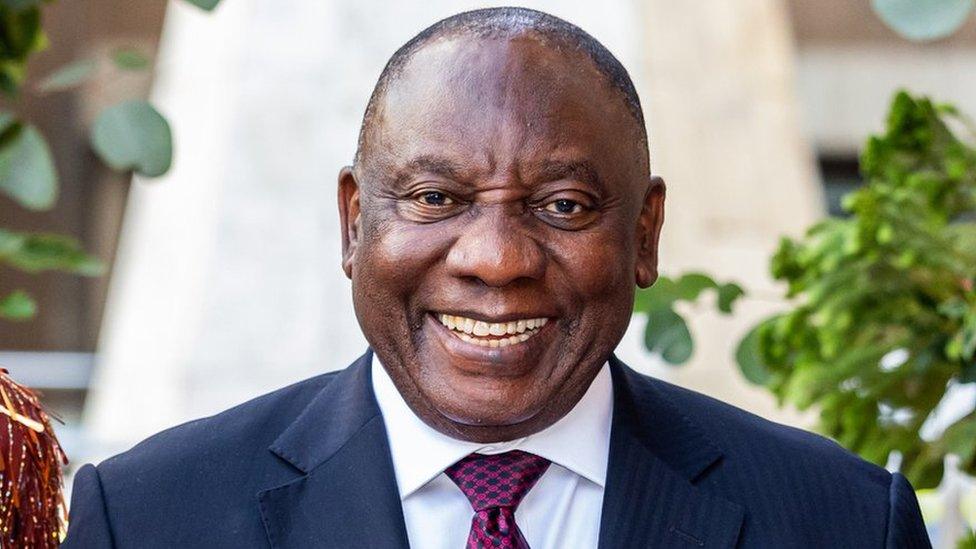
South African President Cyril Ramaphosa has called for urgent intervention by the United Nations following the capture of Venezuelan President Nicolás Maduro by United States forces, warning that the incident poses a serious threat to international law, regional stability, and the global rules-based order.
In a statement addressing the unfolding crisis, Ramaphosa expressed deep concern over what he described as a violation of Venezuela’s sovereignty and the principles enshrined in the United Nations Charter. He emphasized that matters involving peace, security, and the use of force between states fall squarely within the mandate of the UN Security Council, urging the body to act decisively.
“The capture of a sitting head of state outside any multilateral framework risks setting a dangerous precedent,” Ramaphosa said, cautioning that unilateral military actions undermine international norms and could encourage further destabilization across already fragile regions.
The South African leader stressed that allowing such actions to go unchecked could effectively grant powerful states “carte blanche” to intervene militarily in sovereign nations, eroding decades of diplomatic architecture designed to prevent conflict escalation.
Global reactions to the incident have been sharply divided. China and Russia have issued strong condemnations, describing the US action as unlawful and destabilizing, while several other governments have voiced support, highlighting growing fractures within the international community over the use of force and accountability.
Ramaphosa called for restraint, dialogue, and adherence to multilateral processes, reiterating South Africa’s long-standing position that global disputes must be resolved through diplomacy rather than coercion.
“The credibility of the international system depends on consistency,” he said. “If international law is to mean anything, it must apply equally to all states, regardless of power.”
As the situation continues to unfold, South Africa’s appeal adds to mounting pressure on the United Nations to assert its authority and mediate a resolution that prevents further escalation while safeguarding the principles of sovereignty and collective security.
Cyril Ramaphosa, South Africa, Venezuela crisis, Nicolás Maduro, United States military action, United Nations Security Council, international law, global diplomacy, sovereignty, rules-based order, multilateralism, UN Charter, foreign intervention, geopolitical tensions, Africa foreign policy, South Africa diplomacy, global governance, US foreign policy, Latin America crisis, international peace, global stability, China Russia response, world politics, military intervention, diplomatic response, UN intervention, sovereignty violations, international norms, peace and security, geopolitical divisions, global reactions, international relations, political crisis, African leadership, South Africa UN stance, multilateral institutions, world order, state sovereignty, crisis diplomacy, international accountability, conflict prevention, global governance structures, diplomatic solutions, security council mandate, international precedent, global power dynamics, political escalation, conflict resolution, world news, Africanews analysis, geopolitical risk, international mediation, foreign policy doctrine, diplomatic pressure, global leadership, peacekeeping principles, international stability, lawful intervention, crisis management, multilateral response, political legitimacy, international cooperation, global consensus, sovereignty protection, international law enforcement, strategic diplomacy, world affairs, global security architecture, state relations, foreign affairs analysis, political sovereignty, international oversight