
Tunisia Frees NGO Worker Sherifa Riahi After 20 Months, Raising Alarms Over Criminalization of Humanitarian Work

|
Getting your Trinity Audio player ready...
|
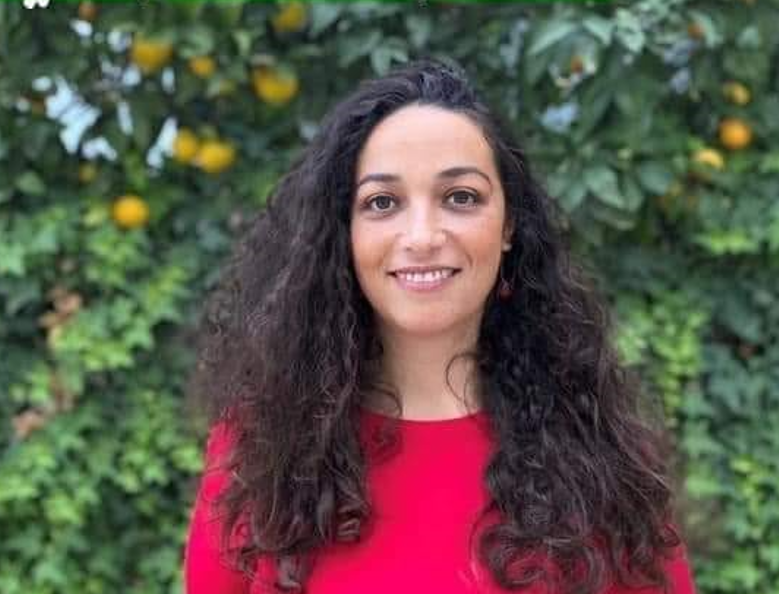
After more than twenty months in detention, Sherifa Riahi has been released from prison in Tunisia, marking a significant moment in a case that has drawn attention to the increasingly precarious space for humanitarian work in the country.
Riahi, the former director of the French humanitarian organization Terre d’Asile in Tunisia, was freed alongside two colleagues after a Tunisian court issued suspended sentences related to charges of facilitating the illegal entry and residence of migrants. Her release brings an end to a prolonged period of legal uncertainty, isolation, and family separation.
Speaking publicly following her release, Riahi emphasized that the most difficult aspect of her detention was not the physical conditions of incarceration, but the psychological strain caused by isolation and the fear of permanent separation from loved ones. The absence of information from the outside world, she said, intensified the emotional toll of her imprisonment.
A Case That Resonates Beyond One Individual
Riahi’s case has become emblematic of a broader debate in Tunisia over migration, civil society, and the role of humanitarian organizations. She has warned that her prosecution reflects a wider trend toward the criminalization of humanitarian assistance, particularly for organizations working with migrants and asylum seekers.
According to Riahi, Terre d’Asile operated legally under a state‑approved framework, maintaining formal agreements with Tunisian authorities since 2012. She noted that the organization had worked closely with government institutions and had received official recognition for its activities, making the charges against her difficult to reconcile with years of documented cooperation.
Migration at the Center of Political Tension
Tunisia remains a key transit country for migrants attempting to reach Europe, placing migration at the center of domestic and international political pressure. Over recent years, the issue has become increasingly sensitive, shaped by economic strain, regional instability, and heightened political rhetoric.
President Kais Saied has taken a hard stance on migration, framing irregular migration as a national security and demographic issue. Statements made in early 2023 warning of “demographic change” linked to sub‑Saharan migration were followed by heightened enforcement measures and reports of racially motivated violence, displacements, and job losses affecting migrant communities.
Within this environment, humanitarian organizations have found themselves operating under growing scrutiny, navigating legal ambiguity and political pressure while continuing to provide assistance to vulnerable populations.
Implications for Civil Society and Humanitarian Action
Riahi’s release has been welcomed by human rights advocates, but concerns remain about the precedent her case may set. Observers argue that prosecuting humanitarian workers risks discouraging civil society engagement at a time when migration pressures require coordinated, humane responses.
For many organizations, the case underscores the need for clearer legal protections for humanitarian actors and transparent frameworks that distinguish aid work from criminal activity. Without such safeguards, critics warn that essential services for migrants and asylum seekers could be severely undermined.
A Moment of Relief, Not Closure
While Riahi has expressed relief at being reunited with her family, she has also stressed that her release does not erase the broader issues raised by her detention. Migration, she noted, is a structural reality for Tunisia—one that cannot be addressed solely through enforcement, but requires cooperation, humanitarian engagement, and long‑term policy solutions.
As Tunisia continues to balance domestic pressures with international expectations, the case of Sherifa Riahi stands as a reminder that migration governance is not only a political challenge, but a human one—where the treatment of those offering assistance can shape the country’s broader relationship with civil society and global partners.
Tunisia news, Sherifa Riahi, Terre d’Asile, Tunisia migration policy, NGO workers Tunisia, humanitarian aid Tunisia, Tunisia court ruling, migration crisis Tunisia, North Africa migration, African migration routes, Tunisia asylum seekers, migrant rights Africa, civil society Tunisia, human rights Tunisia, NGO detention Tunisia, Kais Saied migration stance, Tunisia migrants Europe, humanitarian organizations Africa, migration transit countries, sub‑Saharan migrants Tunisia, Tunisia legal system, suspended sentence Tunisia, NGO criminalization, aid workers Africa, migration governance Africa, African human rights, Tunisia political climate, NGO restrictions Tunisia, migration enforcement Tunisia, Africanews Tunisia, AP Tunisia news, NGO freedom Africa, humanitarian law Africa, migration policy North Africa, Tunisia detention cases, civil liberties Tunisia, migration debate Africa, refugee assistance Tunisia, migration and security, African migration corridors, Tunisia domestic politics, international NGOs Africa, humanitarian crisis North Africa, migrant protection Africa, Tunisia government policy, African civil society, NGO regulation Tunisia, migration cooperation Europe Africa, Tunisia EU migration deals, humanitarian risks Africa, NGO legal challenges, Africa migration headlines, North Africa politics, migration human rights, Tunisia NGOs under pressure, migrant aid organizations, humanitarian workers detained, Africa migration policy, asylum law Tunisia, NGO prosecution Africa, Tunisia judicial system, migration humanitarian response, NGO operations North Africa, Africa policy analysis, migration advocacy Africa, Tunisia social tensions, humanitarian ethics Africa, African political risk, civil society space Africa, migration and law, Tunisia international relations, human rights defenders Africa, NGO accountability Tunisia, Africa migration governance, humanitarian access Africa, migration politics Tunisia, NGO freedom of operation, African migration crisis analysis