
Ahmed Bindos and Misk Foundation: Designing the Partnership Architecture Behind Saudi Vision 2030

|
Getting your Trinity Audio player ready...
|
Saudi Vision 2030 has moved decisively from aspiration to execution. At this stage, outcomes are no longer driven by announcements or branding, but by partnership design, institutional alignment, and operational clarity.
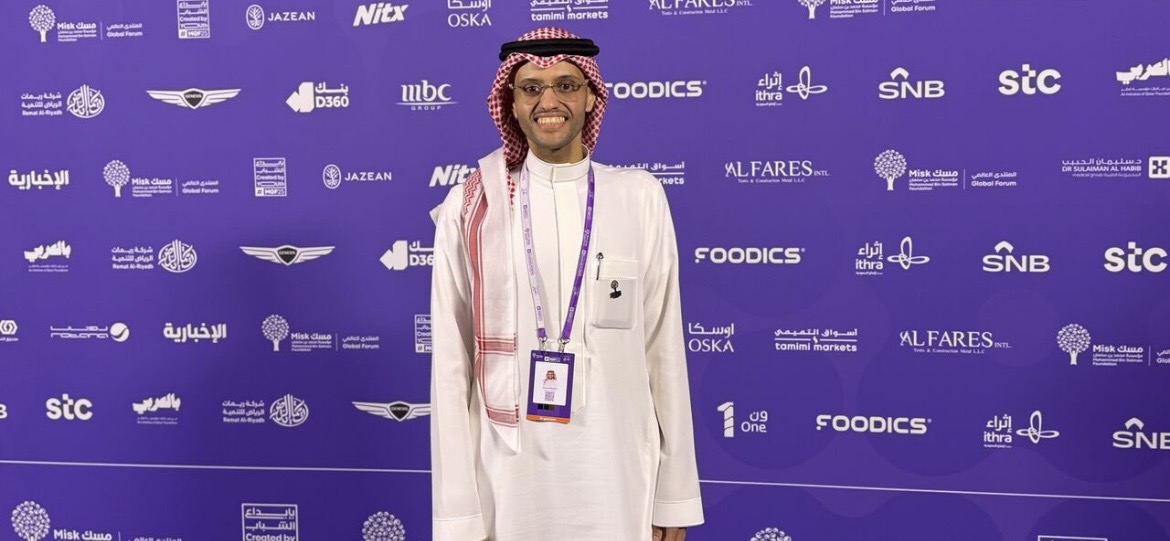
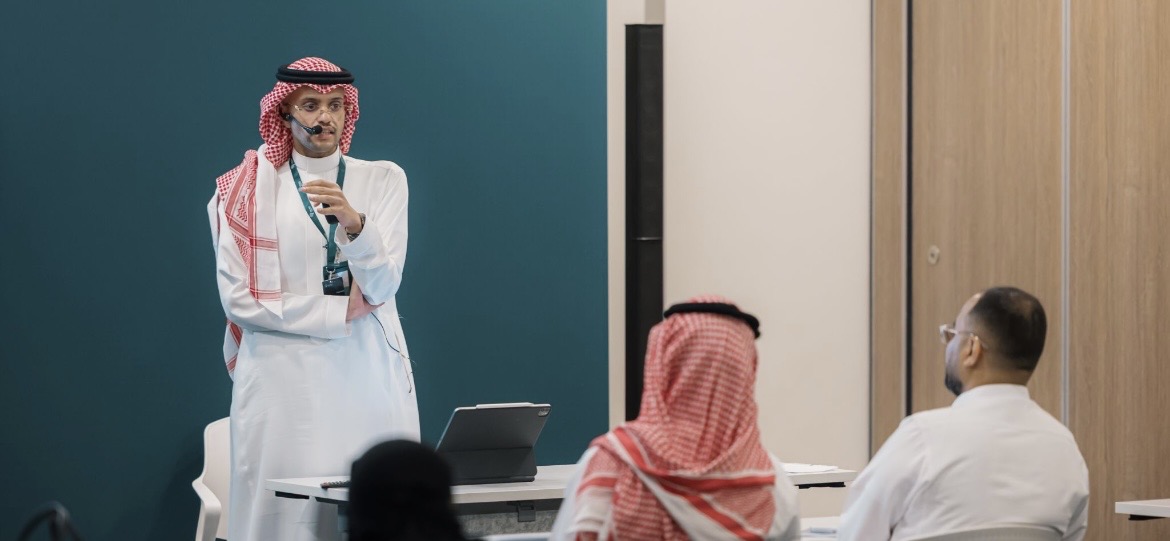
Within this execution layer sits Ahmed (Mohammed F.) Bindos, whose work at Misk Foundation reflects a broader shift inside Vision 2030 — from siloed initiatives to systems-based collaboration.
This article is not about praise. It is about function, outcomes, and strategic relevance.
Partnership as a Core Execution Tool Under Vision 2030
At Misk Foundation, Ahmed operates across business development, strategic partnerships, sponsorships, and communications — roles that increasingly determine whether national youth strategies scale beyond borders or remain domestic.
Under the Human Capability Development Program (HCDP), Vision 2030 places youth competitiveness, leadership, and global exposure at the center of national resilience. This requires:
-
Institutional partnerships with credibility
-
Cross-sector coordination between education, private sector, and civil society
-
Narrative discipline that aligns communication with policy outcomes
-
Long-term collaborators who understand youth ecosystems globally
Ahmed’s portfolio sits directly inside this logic. His work reflects Vision 2030’s recognition that partnership is not auxiliary — it is infrastructure.
Misk Foundation’s Role in the Vision 2030 System
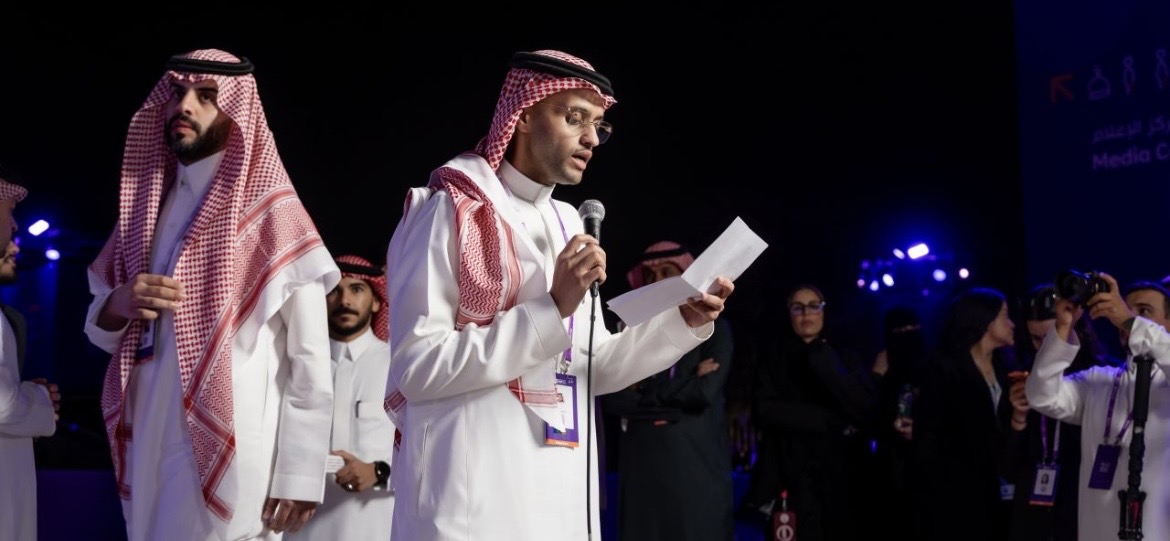
Misk Foundation functions as one of Vision 2030’s most visible youth platforms, delivering leadership development, skills training, entrepreneurship exposure, and global engagement.
Key pillars of Misk’s programming include:
-
Leadership and talent development
-
Global exchange and youth representation
-
Entrepreneurship and innovation exposure
-
Strategic partnerships with institutions, corporates, and global platforms
Executing this at scale requires professionals who understand how to translate youth ambition into institutional cooperation. Ahmed’s progression within Misk — from content and communications into partnerships and business development — mirrors the foundation’s own evolution from storytelling to systems-building.
Why Africa Is No Longer a “Future Opportunity” for Vision 2030
Africa’s relevance to Vision 2030 is no longer theoretical.
-
Africa is the youngest continent globally
-
Youth entrepreneurship and innovation are accelerating
-
Cultural influence, sports, and creative economies are expanding
-
Global South cooperation is becoming a strategic priority
Vision 2030’s emphasis on human capability, leadership, and youth competitiveness aligns structurally with Africa’s trajectory. This makes Africa not an external market, but a parallel youth ecosystem.
The question is no longer if Saudi Arabia and Africa deepen collaboration — but who is positioned to structure it responsibly.
Where TVOA Is Already Operating
This is where The Voice of Africa (TVOA) is relevant — not as an entrant, but as an operator.
TVOA functions as a cross-continental platform that already works at the intersection of youth, institutions, culture, and global engagement.
What TVOA is doing in practice:
-
TVOA Media contextualizes Africa for global institutions through credible journalism, policy-aligned storytelling, and youth-centered narratives.

-
Experience Africa, the largest Pan-African convening in Washington, DC, brings embassies, policymakers, youth leaders, creatives, and global institutions into shared diplomatic and cultural space.

-
Experience Africa Tours convert institutional interest into lived understanding across Africa and Saudi Arabia.

-
TVOA Trade, Investment & Tourism Forum aligns African development priorities with long-term capital, tourism strategy, and institutional partners.
-
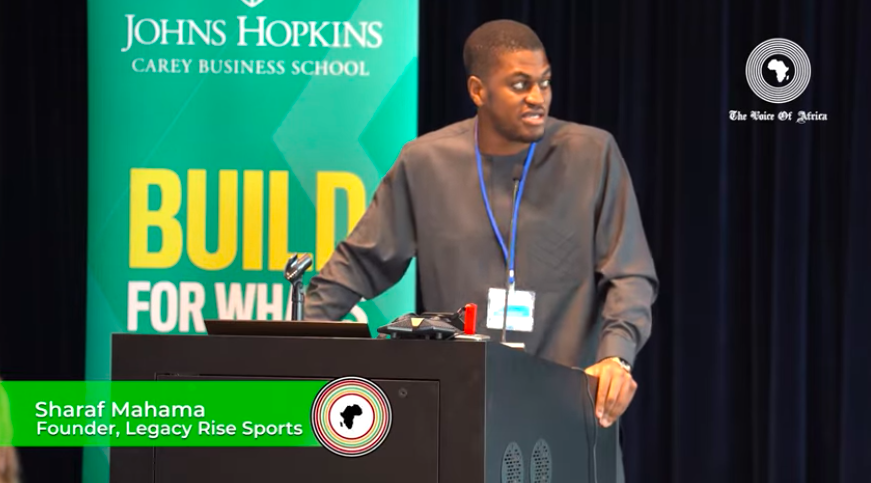
Ambassador of Africa develops youth leadership pipelines through workshops and engagements at Yale, Duke, Howard, Johns Hopkins, and American University.

-
TVOA Sports connects African athletic talent to global recruitment and media ecosystems, reflecting sports’ growing role within youth diplomacy.

This ecosystem is reinforced by development partners focused on long-term human outcomes:
-
The Father’s Haven Foundation, addressing youth vulnerability through shelter, education, mentorship, and leadership development.

-
The Countess Foundation, advancing women’s skills, creative empowerment, and economic inclusion through scalable programs such as 1 Million Women, 1 Million Futures.

-
Naberm Montessori School, investing in human capability from early childhood through values-driven, globally aligned education.
Shared Proof Points: Misk and the Global South
Notably, Kadmiel Van Der Puije (TVOA CEO) is an Misk 20 Under 30 alumni — reinforcing a shared understanding of Misk’s leadership philosophy, expectations, and global orientation.
This is not symbolic alignment.
It is operational familiarity.
Why This Matters Now
Vision 2030 is entering a phase where partnership quality determines legacy.
Professionals like Ahmed Bindos represent the layer of execution that decides:
-
Which regions Saudi Arabia engages meaningfully
-
How youth strategy scales globally
-
Whether collaboration produces outcomes or optics
Africa’s youth trajectory makes engagement inevitable. Platforms that already understand youth systems, institutional dynamics, and cultural translation will shape how that engagement unfolds.
The Strategic Reality
Vision 2030 is not built by speeches.
It is built by partnership architecture.
Africa is not waiting.
Africa is building.
Saudi Arabia understands that the future belongs to regions that invest in people early and collaborate deliberately.
And the platforms already operating at this intersection will define what comes next.