
|
Getting your Trinity Audio player ready...
|
The idea behind Bella Africa begins, as many powerful movements do, with a mother.
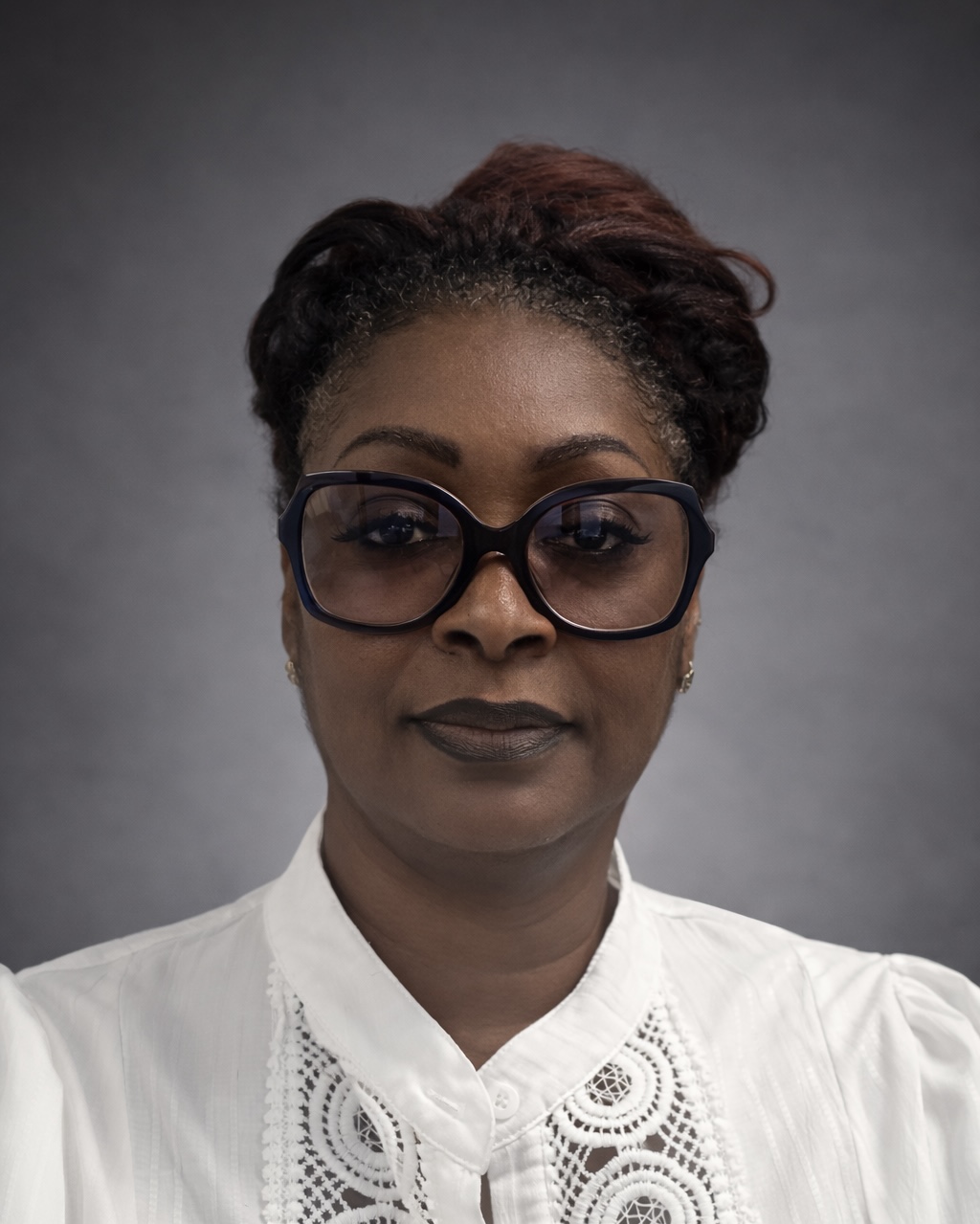
For Dalida Couturier, beauty is not an abstract ideal. It is something built quietly, often under pressure, through care, sacrifice, and resilience. It is what her mother, Isabella affectionately known as Bella, offered during the most difficult moments of their family life. In honouring her mother, Dalida has chosen to honour millions of women whose labour, love, and endurance hold families and societies together, often without recognition.
“Bella Africa means Beautiful Africa,” she says. “The goal is to make my home continent a more beautiful place.” But beauty, in this context, is not cosmetic. It is the presence of dignity where there was dependence, opportunity where there was exclusion, and voice where there was silence.
Across Africa, women continue to shoulder inequality rooted in economic imbalance, physical vulnerability, and inherited power structures. Yet they also carry the capacity to transform families, communities, and futures. Bella Africa exists to make that transformation possible, not through charity, but through empowerment.
As the saying goes, there would be no war in the world if mothers were in charge. Bella Africa takes that wisdom seriously and turns it into action.
From personal legacy to collective action
What began as a tribute to one woman soon became a response to a wider truth. Across communities Dalida knew well that the same patterns repeated themselves. Women carried responsibility without power, labour without security, and care without recognition.
Dalida’s vision extends beyond borders. Bella Africa could exist anywhere; Bella Germany, Bella India, Bella Mexico, Bella villages. “Bella is needed everywhere,” she says. “Each of us should make our world better if we are blessed to be in the position we are in.”
Yet Africa remains her central focus. It is where she has witnessed, first-hand, the inequalities that prevent women from achieving their full potential. “Men use economic and physical power to enslave women,” Dalida says. “Humans have always had the tendency to enslave each other. Bella Africa wants to break the shackles that have become rooted over time.”
Restoring dignity through practical empowerment
Bella Africa’s work is grounded in practical, community-led interventions that restore dignity and agency. One of its most impactful efforts has been women-centred livelihood initiatives, including sewing machine projects that enable women to generate income independently.
The transformation extends beyond finances. Women who once felt invisible now speak with confidence, plan for their children’s education, and support one another collectively. “The most powerful change is their renewed sense of purpose,” Dalida explains.
Economic independence, however, is only one part of the equation. Empowerment that does not reach the next generation risks resetting the cycle.
Education as a foundation for the future
Education is therefore a core pillar of Bella Africa’s work. Through school renovation initiatives, the foundation has helped create safer, more welcoming learning environments. Attendance has improved, children are more motivated, and families see education as a realistic pathway to stability and opportunity.
These changes, while modest in scale, carry deep significance. They signal to children that they are worth investing in, and to parents that their aspirations for the future are valid. “When women are empowered and children are supported, entire families are uplifted,” Dalida says.
Women-led, community-centred change
These outcomes are not accidental. They are the result of an approach that places women and communities at the centre of decision-making. Bella Africa begins by listening. Women, families, and community leaders help shape priorities and co-design solutions from the outset. Women are not treated as passive recipients of aid, but as leaders, planners, and custodians of change.
This ensures that programmes remain culturally grounded, relevant, and sustainable long after initial support ends. “We co-create solutions with communities,” Dalida notes. “That is how change lasts.”
Partnerships built on trust and purpose
Scaling this impact requires partnership. Bella Africa actively seeks collaboration with foundations, corporate social responsibility programmes, NGOs, and community organisations that share a commitment to women’s empowerment and family wellbeing.
Support may come through funding, in-kind contributions, technical expertise, or long-term collaboration. What matters most is alignment around dignity, sustainability, and shared responsibility.
Yet Bella Africa does not present itself as a finished model. It is deliberately evolving, shaped by learning, humility, and the realities of the communities it serves.
A legacy that continues
At its core, Bella Africa is not only about programmes or projects. It is about legacy. It is about recognising that some of the world’s most powerful leadership begins quietly, in homes held together by women whose strength is rarely documented. It is about honouring mothers whose sacrifices shaped lives and ensuring that future generations of women are not asked to survive under the same constraints.
For those whose mothers are no longer alive, Dalida offers a different way of saying thank you. By supporting Bella Africa, she says, it is possible to nurture the next generation of women and mothers, even without having children of one’s own.
Dalida is candid about the uncertainty that comes with this work. “It is a work in progress,” she says. “I do not have all the answers.” What she does offer is accountability. She covers all administrative costs herself, ensuring that every dollar donated goes directly to underprivileged women and communities.
In the next five years, success will not only be measured by scale, but by continuity. Women earning their own incomes. Children learning in safe environments. Communities sustaining what they helped build. And an organisation that grows without losing its centre.
Bella Africa asks a simple but profound question: what if honouring our mothers meant changing the conditions other women live under?
In answering that question, it reminds us that beauty is not passive. It is built. And when women are given the tools to shape their own futures, Africa becomes more beautiful one woman, one family, one community at a time.