
Rachel Ruto, OAFLAD: From Commitments to Measurable Impact for Women and Girls
By Maxine Ansah

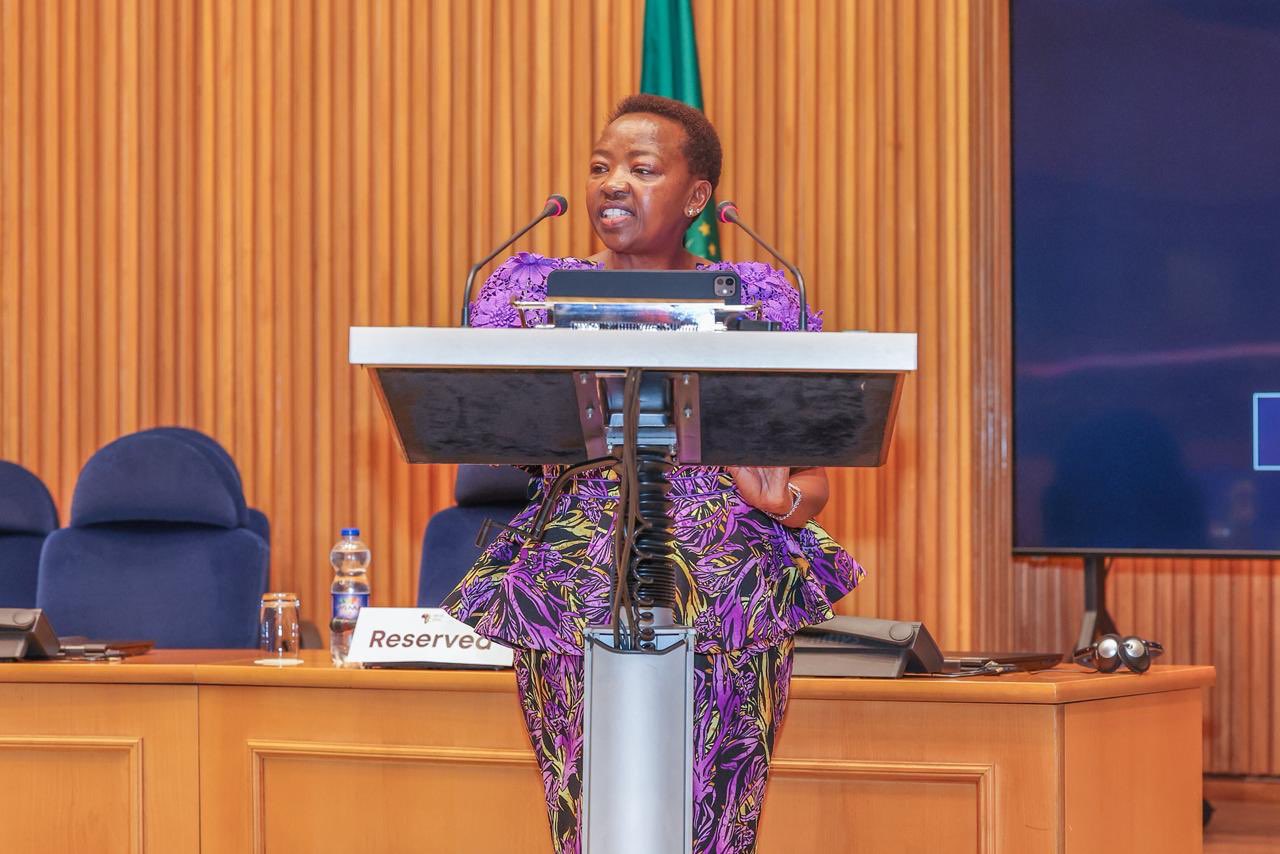
Addis Ababa — At the 30th General Assembly of the Organisation of African First Ladies for Development, Kenya’s First Lady Rachel Ruto delivered a pointed call for African leadership to move beyond policy declarations and prioritise measurable, people-centred outcomes for women and girls.
Addressing delegates in Addis Ababa, Mrs Ruto emphasised that across the continent, women continue to demonstrate resilience in the face of climate change and conflict, yet structural vulnerabilities remain deeply entrenched. Her intervention aligned with the Assembly’s theme: Building Resilience for Women and Girls: Climate, Conflict, and Sustainable Futures.
“In Kenya, we are clear: investing in women and girls is not an expense; it is the smartest investment a nation can make. Protect a girl, and you stabilise a family. Educate a girl, and you strengthen an economy. Empower a woman, and you transform a nation,” she said.
Her remarks placed accountability at the centre of the OAFLAD agenda, urging leaders to translate commitments into tangible interventions that safeguard rights, strengthen national systems, and deliver justice for women and children.
Drawing on national data, Mrs Ruto highlighted the urgency of targeted interventions. She noted that one in six adolescent girls aged 15 to 19 has begun childbearing. According to thematic briefs by UNFPA Kenya, as of 1 December 2025, young women account for 78 per cent of new HIV infections among those aged 15 to 24.
“Behind these numbers are interrupted dreams and deferred futures,” she said, framing the statistics as a development crisis rather than isolated social indicators.
On climate vulnerability, Mrs Ruto underscored Kenya’s exposure to environmental shocks despite its equatorial position. She noted that 80 per cent of the country is classified as arid and semi-arid land, increasing susceptibility to food insecurity and climate-related disruptions.
She positioned clean energy solutions as both a climate and gender intervention. Reducing reliance on firewood and charcoal, she explained, not only protects ecosystems but also improves women’s health outcomes and reduces exposure to risk.
Through the Joyful Women Organization, thousands of women have been trained as clean cooking ambassadors, linking environmental sustainability with grassroots economic empowerment.
Addressing intersecting social risks, Mrs Ruto highlighted Kenya’s response to what she termed the “Triple Threat” of teenage pregnancy, HIV, and sexual and gender-based violence. In partnership with OAFLAD, Kenya launched the Triple Threat Programme in August 2025 as a coordinated, evidence-based national response. The initiative has since been elevated to a national priority, mobilising actors across government, civil society, and the private sector, with a target to eliminate the Triple Threat by 2027.
Complementing this approach, the Voice of Children initiative under the Office of the First Lady is expanding access to food, educational materials, and safe spaces for vulnerable children. Beyond protection, the programme seeks to amplify children’s voices and ensure their participation in decisions that affect their futures.
The Assembly brought together First Ladies from Sierra Leone, Angola, Liberia, Botswana, Burundi, Senegal, Ethiopia, Gabon and Ghana, alongside the First Gentleman of Namibia, reinforcing OAFLAD’s role as a continental convening platform for policy alignment and advocacy.
Mrs Ruto’s message was clear: Africa’s development trajectory depends not on the volume of commitments made, but on the precision and consistency with which they are implemented.
Across a continent still navigating the layered pressures of climate, conflict, and demographic change, the shift from intention to measurable impact may well define the next chapter of leadership. And in that transition, Africa’s women and girls are not just beneficiaries of policy, they are its most powerful drivers.
At a time when African nations are still shaping their institutional futures, the insistence on accountability, data, and human-centred outcomes signals a maturing development narrative, one that recognises that empowering women is not auxiliary to progress, but foundational to it.
Rachel Ruto, OAFLAD Assembly, African First Ladies, women empowerment Africa, girls education Africa, Kenya First Lady speech, OAFLAD 2026, UNFPA Kenya data, teenage pregnancy Africa, HIV young women Africa, climate change Africa women, clean cooking Africa, Joyful Women Organization, Triple Threat Programme Kenya, gender based violence Africa, women leadership Africa, Africa development policy, women resilience Africa, girls rights Africa, sustainable development Africa, African policy leadership, women and climate Africa, arid regions Kenya, food insecurity Africa, Africa youth health crisis, HIV statistics Africa youth, childbearing adolescent Africa, women economic empowerment Africa, grassroots climate action Africa, clean energy Africa women, charcoal deforestation Africa, firewood health risks Africa, African First Ladies initiatives, Africa gender policy, social protection Africa children, Voice of Children Kenya, Africa child welfare programmes, policy to impact Africa, development accountability Africa, African governance women, women health Africa, girls future Africa, Africa SDG gender, gender equality Africa, Africa public health women, Kenya development initiatives, Africa youth empowerment policy, sustainable futures Africa, conflict and women Africa, Africa resilience policy, leadership accountability Africa, African development narratives, women economic growth Africa, education and economy Africa, girl child protection Africa, Africa climate vulnerability, Kenya ASAL regions, African climate solutions women, policy implementation Africa, development impact Africa, Africa leadership summit, Addis Ababa conference Africa, African institutions women, women rights advocacy Africa, Africa social policy, empowerment strategies Africa, Africa gender programmes, youth and women Africa policy, Africa development data, evidence based policy Africa, African NGOs women, continental cooperation Africa, Africa governance institutions, First Ladies Africa initiatives, Africa social development leadership, Africa gender statistics, women health interventions Africa, Africa climate adaptation women, African economic inclusion women, development partnerships Africa, Africa civil society women, Africa private sector gender, Africa youth health interventions, Africa sustainable policy women, Africa education access girls, Africa innovation women programmes, African social impact initiatives, Africa gender justice, Africa development forums, African women transformation, Africa leadership impact, Africa future women, policy reform Africa women, Africa SDG implementation gender