
George Soros and the Open Society Foundations: Strategy, Influence, and Global Reach
By Maxine Ansah

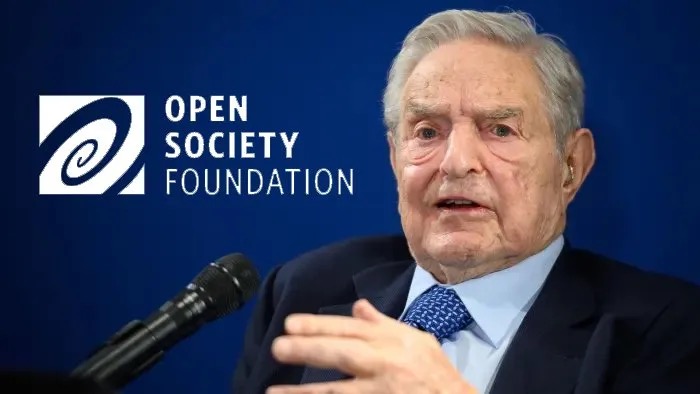
|
Getting your Trinity Audio player ready...
|
A Global Philanthropic Institution
The Open Society Foundations has grown into one of the world’s most influential philanthropic networks, supporting initiatives across governance, justice, education, and human rights. Founded by George Soros, the organisation reflects decades of investment in civil society, policy engagement, and institutional development across multiple regions.
Founder Background and Intellectual Influence
Soros was born in 1930 in Budapest and later pursued higher education at the London School of Economics before establishing his career in the United States. His academic exposure to the ideas of Karl Popper, particularly in The Open Society and Its Enemies, played a defining role in shaping the philosophical foundation of his work. Popper’s concept of an open society, centred on democratic governance, freedom of expression, and respect for individual rights, remains at the core of the Foundation’s mission.
Early Philanthropy and Expansion
From its early beginnings in the late 1970s, Soros’s philanthropy focused on expanding access to education and supporting independent thought. His initial interventions included scholarships for Black South Africans during apartheid and support for academic and cultural exchange programmes in Central and Eastern Europe during periods of political transition. These early efforts laid the groundwork for what would become a global philanthropic network.
Following the end of the Cold War, the Open Society Foundations expanded its reach into Africa, Asia, Latin America, and North America, backing initiatives aimed at strengthening institutions, improving transparency, and promoting inclusive governance systems. Today, the Foundations operate across a wide spectrum of sectors, positioning themselves as both funders and active participants in global policy conversations.
Grant-Making and Local Partnerships
At the centre of its operations is a grant-making model that prioritises partnerships with local organisations. Each year, the Foundations allocate funding to individuals and institutions working on justice, equity, human rights, and democratic practice. This approach is designed to ensure that interventions are informed by local expertise while maintaining alignment with broader global priorities.
Advocacy and Strategic Litigation
Beyond grant-making, the Foundations engage directly in advocacy, working with governments and multilateral institutions on policy reforms. Their legal arm, the Open Society Justice Initiative, supports strategic litigation to address human rights violations and strengthen accountability mechanisms. This legal strategy complements broader advocacy efforts, creating a multi-layered approach to systemic change.
Impact Investing and Financial Tools
Financial tools also play a critical role. Through the Soros Economic Development Fund, the Foundations have deployed over $400 million in investments aimed at advancing social and economic outcomes. This reflects a growing trend within philanthropy to integrate market-based solutions into development strategies.
Education and Ideas Infrastructure
Education and intellectual exchange remain key pillars. Institutions such as the Central European University were established to promote critical thinking and academic freedom, particularly in regions undergoing political and economic transformation. The Foundations also support fellowships, research initiatives, and publications that contribute to global policy discourse.
Scale of Funding and Global Reach
Over time, Soros has committed significant financial resources to sustain this work. In 2017, he transferred $18 billion to the Foundations, bringing his total contributions to over $32 billion since the 1980s. This scale of funding has enabled the organisation to support a wide range of independent groups, including Global Witness, International Crisis Group, European Council on Foreign Relations, and Institute for New Economic Thinking.
Governance and Leadership Structure
Leadership of the Foundations is currently overseen by President Binaifer Nowrojee, with strategic direction guided by a board chaired by Alex Soros. This governance structure reflects an effort to institutionalise leadership and ensure continuity beyond its founder.
Africa, Partnerships, and the Question of Agency
The Open Society Foundations operate at the intersection of philanthropy, policy, and law, using a combination of funding, advocacy, and institutional partnerships to support progress across complex governance and rights-related issues. Their work reflects a long-term approach, engaging in areas where sustainable change is built gradually through collaboration and institutional strengthening.
From an African perspective, the presence of such global philanthropic networks highlights a growing ecosystem of partnership and shared responsibility. Increasingly, African institutions, organisations, and leaders are shaping how these collaborations unfold, ensuring that local priorities remain central. As the continent continues to define its role within global governance, these engagements offer a platform to amplify African-led solutions, strengthen systems, and drive development that is both inclusive and locally grounded.
Open Society Foundations, George Soros, global philanthropy, African development funding, civil society funding Africa, human rights organisations, democracy funding, global NGOs, Soros philanthropy impact, open society concept, Karl Popper open society, Central European University, strategic litigation NGOs, impact investing Africa, Soros Economic Development Fund, global governance Africa, policy advocacy organisations, international development funding, NGO funding Africa, transparency initiatives Africa, accountability governance Africa, philanthropic networks global, human rights advocacy Africa, democracy promotion Africa, Soros foundation Africa projects, global justice initiatives, civil society strengthening Africa, funding NGOs Africa, legal advocacy human rights, international NGOs funding, philanthropic investment Africa, social impact investing Africa, education funding Africa, scholarships Africa philanthropy, Soros history philanthropy, global policy influence NGOs, governance reform Africa, rights-based organisations Africa, institutional development Africa, African civil society partnerships, global funding institutions, NGO partnerships Africa, Soros foundations strategy, democracy and governance Africa, funding human rights defenders, policy reform organisations, advocacy NGOs global, legal reform Africa, public policy NGOs, African governance systems, civil society impact Africa, philanthropic leadership, global development actors, NGO influence Africa, international policy advocacy, human rights funding Africa, social justice organisations, global civil society, Africa NGO ecosystem, development partnerships Africa, Soros investments impact, nonprofit funding strategy, global philanthropy Africa, NGO governance models, international foundations Africa, policy influence philanthropy, African development partners, open society Africa, civil rights funding global, advocacy funding Africa, democracy support organisations, governance accountability Africa, funding education initiatives, NGO legal interventions, social impact funding Africa, global nonprofit strategy, development finance institutions Africa, philanthropic governance models, Africa human rights networks, global advocacy organisations, NGO leadership structures, funding grassroots organisations, Africa institutional reform, policy engagement Africa, global foundation funding, Soros legacy philanthropy, international civil society funding, NGO impact Africa, governance and transparency Africa, social development Africa funding, African policy ecosystem, philanthropic strategy global, NGO funding mechanisms, development funding Africa, civil society growth Africa