
Nelson Mandela Foundation and the Power of Memory and Dialogue in Africa’s Justice Agenda
By Maxine Ansah

|
Getting your Trinity Audio player ready...
|
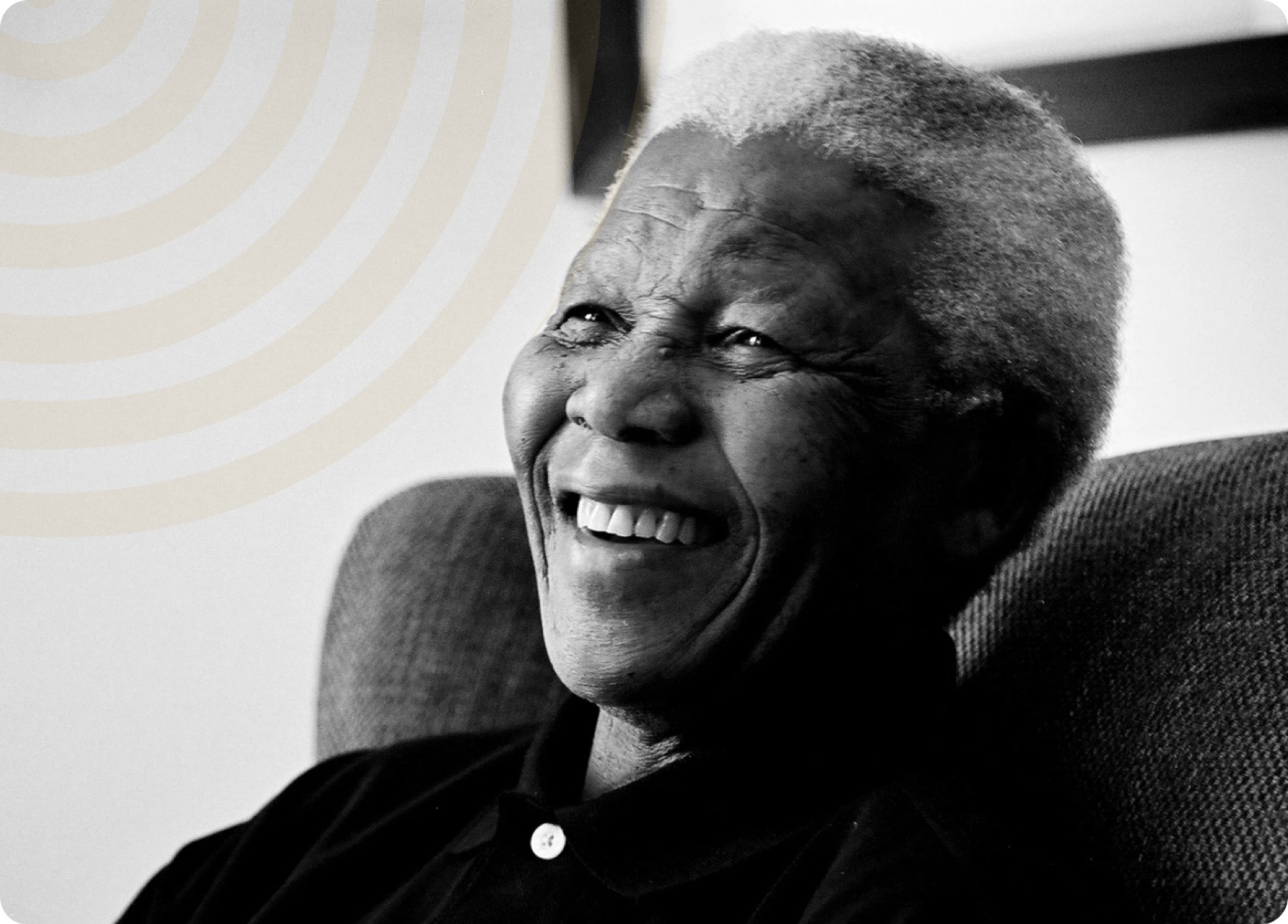
The Nelson Mandela Foundation continues to shape Africa’s justice agenda by transforming legacy into action. Established in 1999 by Nelson Rolihlahla Mandela following his presidency in South Africa, the Foundation operates not simply as a commemorative institution but as an active force advancing human rights, democratic values and social justice across the continent and beyond.
Founded as Mandela’s post-presidential office, the Foundation reflects his enduring commitment to peace, equality and dignity. Its core purpose is clear: to mobilise his legacy in pursuit of just societies where individuals can realise their full potential free from poverty, inequality, racism and exclusion. This mission places the organisation at the centre of critical conversations shaping Africa’s social and political future.
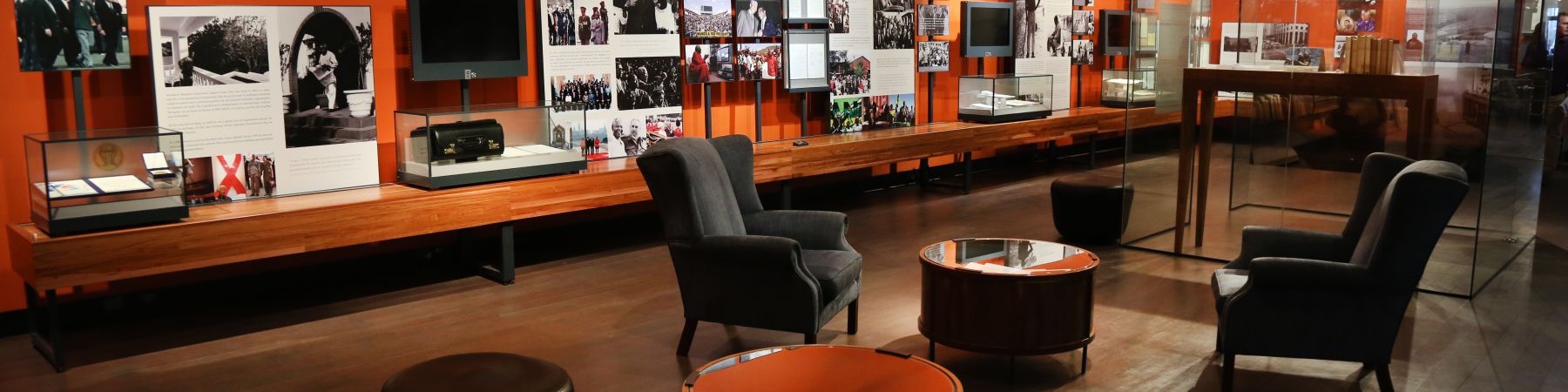
At the heart of the Nelson Mandela Foundation’s work is the recognition that memory is not passive. It is a tool for accountability and transformation. This philosophy is institutionalised through the Nelson Mandela Centre of Memory, opened in 2013, which serves as a repository of Mandela’s life, writings and political journey. The Centre goes beyond preservation by providing public access to information while encouraging reflection on how history informs present-day realities.
The Foundation’s strategic focus on dialogue distinguishes it within the global non-profit landscape. It convenes discussions on pressing issues including human rights, democracy and systemic inequality. These engagements are designed to move beyond rhetoric, creating spaces where diverse voices contribute to practical solutions. In doing so, the Foundation reinforces dialogue as a mechanism for social cohesion and policy influence.
Mandela’s transition from President of South Africa in 1999 marked a deliberate shift from political leadership to civic engagement. Through the Foundation, his work extended into education, HIV and AIDS advocacy, rural development research and peacebuilding initiatives. This evolution laid the groundwork for an institution capable of addressing both immediate social needs and long-term structural challenges.
The organisation’s current direction reflects a forward-looking approach. It is actively engaging young people and amplifying what it describes as Mandela’s living legacy. This includes building inclusive platforms that allow new generations to participate in shaping solutions to contemporary challenges. Youth engagement is treated not as an add-on but as a central pillar of sustaining democratic values and social progress.
A defining feature of the Foundation’s identity is its embrace of what it terms “good trouble.” Derived from the meaning of Mandela’s birth name Rolihlahla, this concept reframes disruption as necessary for justice. It signals a willingness to challenge systems of inequality and provoke meaningful change where required.
The Nelson Mandela Foundation’s vision remains grounded in the idea of a just society that learns from its past and listens to all voices. Its mission operationalises this vision through three interconnected priorities: preserving and providing access to historical memory, mobilising Mandela’s legacy, and convening dialogue on critical social issues.
Across Africa, where debates on governance, inequality and development remain urgent, the Foundation’s model offers a framework for linking legacy with action. It demonstrates that institutions built on historical figures can remain relevant when they engage directly with contemporary realities.
As global attention increasingly turns to issues of justice, inclusion and democratic resilience, the Nelson Mandela Foundation stands as a reminder that legacy is not static. It is a responsibility carried forward through deliberate action, sustained dialogue and collective commitment to change.
The work of the Foundation suggests a broader truth. Africa’s future will not be defined only by its history, but by how that history is used to confront present challenges and build more equitable societies. In that space between memory and action lies the enduring power of Mandela’s legacy.
Nelson Mandela Foundation, Mandela legacy Africa, memory and dialogue Africa, African human rights organisations, democracy Africa initiatives, Nelson Mandela Centre of Memory, social justice Africa, inequality Africa solutions, youth engagement Africa policy, African governance institutions, Mandela legacy impact, South Africa NGOs, human rights advocacy Africa, African development dialogue, peacebuilding Africa organisations, African civil society leadership, Mandela Foundation programmes, Africa justice systems, inclusive societies Africa, African policy dialogue platforms, Nelson Mandela history archive, African democracy institutions, legacy leadership Africa, youth empowerment Africa NGOs, Africa inequality solutions, African social impact organisations, Mandela Foundation vision, public benefit organisations Africa, Africa human rights dialogue, African leadership legacy, governance reforms Africa, African civic institutions, democracy building Africa, Africa development NGOs, Mandela Foundation initiatives, Africa youth policy engagement, historical memory institutions Africa, African research advocacy, social cohesion Africa, Africa policy think tank NGO, Mandela Foundation Centre of Memory, Africa equality initiatives, African peace initiatives, justice systems reform Africa, youth participation governance Africa, Africa non profit leadership, Mandela Foundation Africa work, African institutional development, human rights research Africa, democracy advocacy Africa, African inclusion policies, social justice dialogue Africa, Africa leadership institutions, youth voice Africa, Africa governance dialogue, Mandela Foundation impact Africa, Africa civil society organisations, democratic values Africa, African public policy organisations, Mandela legacy global, Africa social reform institutions, human rights education Africa, African justice advocacy, Africa transformation initiatives, Mandela Foundation youth programmes, Africa equality advocacy, governance accountability Africa, African societal change organisations, peace and reconciliation Africa, Africa development dialogue platforms, youth leadership Africa NGOs, African institutional partnerships, Mandela Foundation global reach, Africa policy solutions NGO, African justice agenda, Nelson Mandela global legacy, Africa social justice movements, African democracy dialogue, Africa community engagement initiatives, Mandela Foundation mission, African reform leadership, youth empowerment policy Africa, Africa governance solutions, African inclusion advocacy, Mandela Foundation research dialogue, Africa social impact leadership, democratic engagement Africa, African public discourse institutions, Mandela legacy initiatives Africa, Africa justice development, African youth participation platforms, Africa rights advocacy institutions, Mandela Foundation strategic work