
Guinea’s Simandou Iron Ore Exports Surge as $23 Billion Mega Project Gains Momentum
|
Getting your Trinity Audio player ready...
|
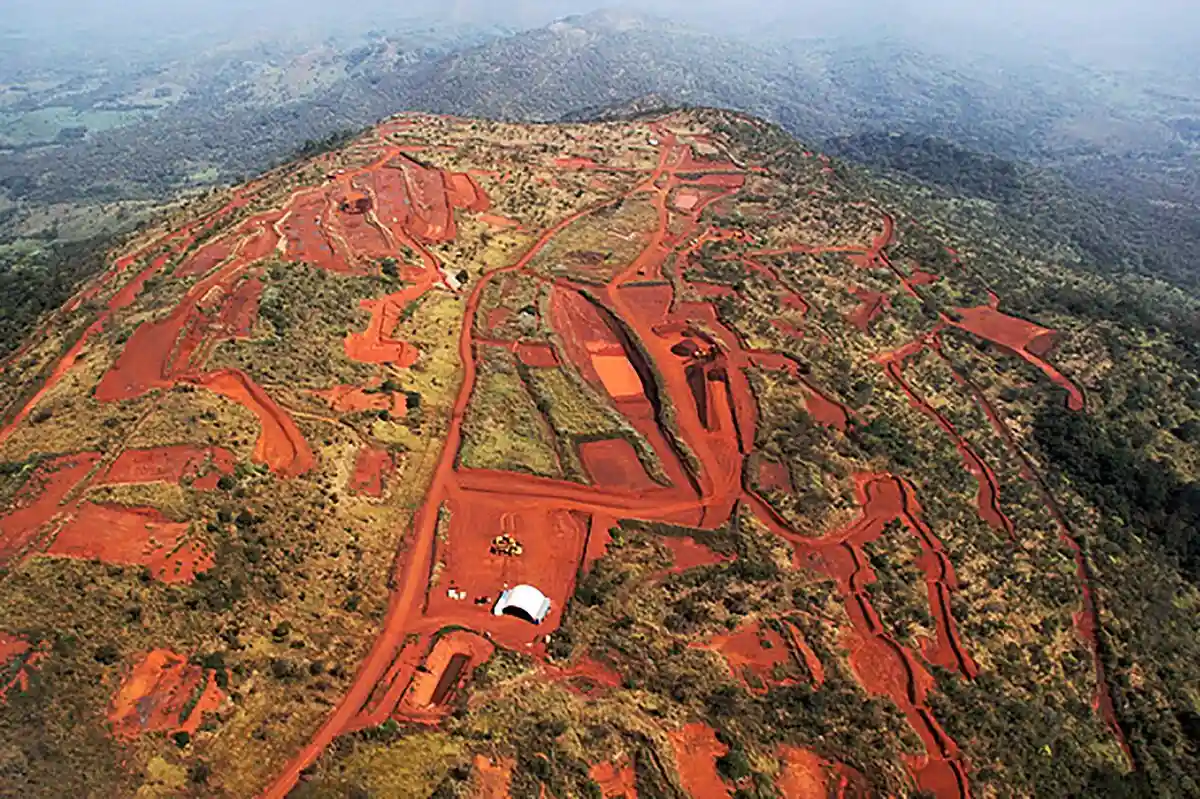
Guinea’s massive Simandou iron ore project recorded a significant increase in exports in May, marking another milestone in the development of what is widely regarded as one of the most important mining projects in the world.
According to ship tracking data from Kpler, exports from Simandou’s Morebaya port reached 2.2 million tonnes in May, up from 1.3 million tonnes in April. The latest figures represent the highest monthly shipment volume since exports began six months ago and signal growing momentum as operators continue ramping up production.
Record Export Growth
The increase follows a relatively slow start to the year when monthly shipments remained below 600,000 tonnes. Industry observers say the latest surge reflects improving operational performance and growing efficiency across the project’s logistics network.
Simandou is expected to export as much as 120 million tonnes of high grade iron ore annually once it reaches full production capacity. The project is operated by two major consortiums. These include the China and Singapore backed Baowu Winning Consortium Simandou and Simfer, a joint venture involving Rio Tinto and China’s Chinalco.
A Potential Challenger to Global Iron Ore Giants
The Simandou development has attracted global attention because of the quality of its iron ore reserves and its potential impact on international markets.
Some analysts have dubbed the project the “Pilbara Killer” because its high grade ore could eventually challenge supplies from Australia’s Pilbara region, currently the world’s largest iron ore producing hub.
Despite its potential, the project has faced several challenges during development. Logistics bottlenecks, a fatal workplace accident in February and labour strikes at BWCS operations in May created disruptions that slowed progress.
Operational Improvements Driving Progress
Analysts say recent improvements in loading efficiency at Morebaya port and stronger coordination between operating partners have contributed to the sharp rise in exports.
Forecasts suggest shipments could continue increasing throughout the year, potentially reaching 8 million tonnes during the third quarter and as much as 12 million tonnes during the fourth quarter.
Rio Tinto has previously indicated that full production capacity could be achieved within 30 months, although some market analysts believe the timeline may be longer given the scale and complexity of the project.
Global Market Watching Closely
The expansion comes at a sensitive period for the global iron ore market. China remains the primary destination for Simandou’s exports, but steel demand in the country has faced pressure while inventories remain elevated.
As a result, analysts are closely monitoring whether the growing volumes from Guinea are being absorbed by market demand or adding to an already well supplied global market.
Even so, the project’s progress reinforces Guinea’s growing importance in the global mining sector and highlights the country’s potential to become one of the world’s leading iron ore exporters.
The Mountain That Could Transform a Nation
The Simandou project represents more than rising export figures. It is one of Africa’s most ambitious infrastructure and mining investments, carrying the potential to reshape Guinea’s economy and strengthen the continent’s role in global supply chains.
Challenges remain, and large scale projects of this magnitude rarely progress without setbacks. Yet the steady increase in exports suggests momentum is building. As African economies continue developing critical infrastructure and attracting investment, projects like Simandou demonstrate how the continent’s vast natural resources can contribute to long term economic transformation. Africa’s industrial future is still being written, and Guinea is positioning itself as an important part of that story.