
Ugandans Criticise ‘Sovereignty Bill’ as Concerns Grow Over Civil Liberties and Economic Impact

|
Getting your Trinity Audio player ready...
|
KAMPALA — A proposed law in Uganda has triggered widespread criticism from civil society groups, legal experts, and business leaders, who warn it could undermine civil liberties and disrupt economic stability.
The draft legislation, known as the Protection of Sovereignty Bill, has drawn comparisons to “foreign agent” laws introduced in Russia, which have been widely criticised for restricting dissent and limiting the activities of independent organisations.
Concerns Over Broad Legal Definitions
Critics argue the bill introduces sweeping and ambiguous provisions that could criminalise individuals or organisations deemed to be acting in the interests of foreign entities.
Under the proposal, anyone receiving funding from abroad could be labelled a “foreign agent,” with penalties of up to 20 years in prison upon conviction.
Rights advocates say the law’s broad scope risks targeting journalists, activists, and non-governmental organisations, raising concerns about freedom of expression and political participation.
Political Context and Opposition Reaction
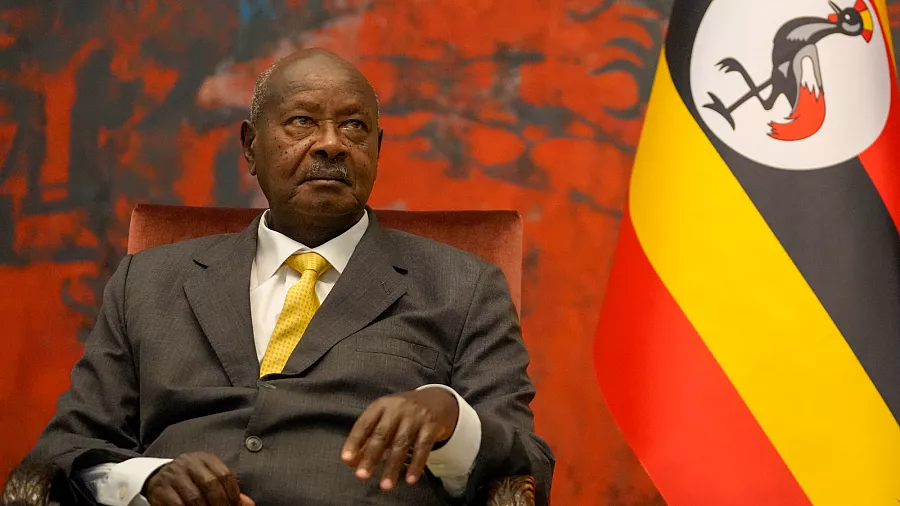
The legislation comes amid growing scrutiny of the government led by Yoweri Museveni, who has been in power for four decades.
Opposition figures and civil society groups argue the bill could be used to suppress dissent, particularly ahead of future political developments.
Legal experts have also raised constitutional concerns, noting that the bill’s definition of “foreigners” could extend to Ugandans living abroad, potentially affecting diaspora communities that play a key role in remittances.
Economic Risks Highlighted by Financial Sector
The proposed law has also prompted warnings from the financial sector.
Michael Atingi-Ego cautioned that the legislation could significantly reduce financial inflows into the country, reversing decades of economic progress.
Analysts note that Uganda relies heavily on foreign investment and remittances, both of which could be impacted if the bill discourages international engagement.
Government Signals Possible Revisions
President Museveni has acknowledged concerns surrounding the bill, indicating that revisions may be necessary to avoid unintended economic consequences.
While defending the principle of safeguarding national sovereignty, he suggested adjustments to ensure that financial flows and legitimate economic activity are not restricted.
Broader Implications
Human rights organisations, including Human Rights Watch, have warned that laws framed around foreign influence often expand state power at the expense of civil liberties.
Observers say the outcome of the bill could have wider implications for governance, investment climate, and Uganda’s relationship with international partners.
As the legislation heads to parliament, the debate highlights a broader tension between national sovereignty and democratic freedoms in a rapidly evolving political landscape.
Uganda sovereignty bill, Uganda foreign agent law, Museveni government law, Uganda civil liberties debate, Uganda human rights concerns, Uganda legislation 2026, Uganda political crackdown law, Uganda NGO law restrictions, Uganda foreign funding law, Uganda diaspora remittances law, Uganda economy foreign inflows, Uganda investment climate risk, Uganda parliament bill analysis, Uganda law foreign agents Russia comparison, Uganda authoritarian rule debate, Uganda opposition repression law, Uganda political environment 2026, Uganda legal reforms controversy, Uganda freedom of expression law, Uganda civil society restrictions, Uganda NGO funding crackdown, Uganda financial inflows risk, Uganda central bank warning law, Uganda economic development risk law, Uganda governance issues, Uganda political stability concerns, Uganda democracy debate, Uganda legislative changes impact, Uganda diaspora policy risks, Uganda foreign influence law, Uganda rights groups criticism, Uganda policy analysis 2026, Uganda economy risk legislation, Uganda government policy controversy, Uganda legal experts reaction, Uganda banking sector concerns law, Uganda foreign relations policy, Uganda regulatory environment risk, Uganda political system analysis, Uganda economic outlook 2026, Uganda international criticism law, Uganda NGO restrictions policy, Uganda democracy and governance, Uganda financial sector response, Uganda foreign investment concerns, Uganda civil rights advocacy, Uganda policy reform risks, Uganda sovereignty debate Africa, Uganda governance challenges, Uganda legislative impact economy, Uganda political reform concerns, Uganda authoritarian law comparison, Uganda Russia law comparison, Uganda economic policy risks, Uganda investment environment Africa, Uganda foreign policy implications, Uganda human rights NGOs response, Uganda legal framework concerns, Uganda political tensions 2026, Uganda government reforms criticism, Uganda economic resilience risks, Uganda democracy concerns Africa, Uganda financial inflows decline risk, Uganda civil society crackdown, Uganda NGO operations restrictions, Uganda political governance debate, Uganda policy transparency issues, Uganda international relations impact, Uganda legislative process analysis, Uganda economy foreign capital risk, Uganda policy uncertainty investors, Uganda rights activists response, Uganda legal debate sovereignty bill, Uganda governance reforms analysis, Uganda public reaction law, Uganda political criticism Museveni, Uganda democracy and law debate, Uganda economic policy shift, Uganda foreign funding restrictions Africa, Uganda civil liberties advocacy, Uganda global relations risk, Uganda political environment analysis, Uganda investment policy changes, Uganda financial development risk, Uganda regulatory changes impact, Uganda policy debate sovereignty, Uganda governance law implications, Uganda civil society future outlook, Uganda economic policy concerns 2026