
Mobutu-Era Abacost Suit Makes Comeback in DR Congo as Cultural Identity Shapes Fashion Revival

|
Getting your Trinity Audio player ready...
|
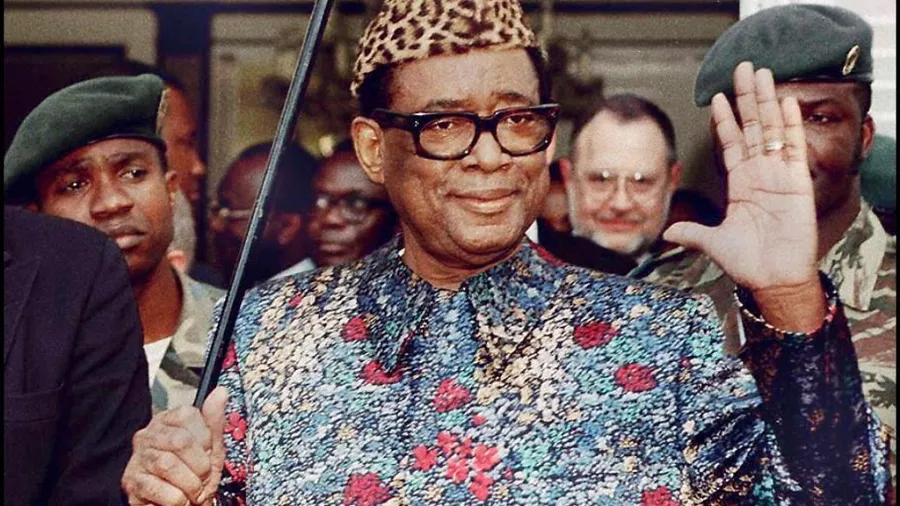
In the Democratic Republic of the Congo, the iconic abacost suit is making a notable return, blending political history with modern fashion trends in the capital, Kinshasa.
Originally popularised in the 1970s by former president Mobutu Sese Seko, the collarless jacket was introduced as part of a broader push to promote African identity and reduce Western cultural influence. Decades after Mobutu’s fall, the garment is finding renewed relevance among a new generation.
The resurgence reflects both nostalgia and a growing interest in locally rooted fashion that speaks to identity, heritage, and self-expression.
Fashion as Identity and Expression
At the Okasol atelier in Kinshasa, the abacost is once again in high demand. Tailor Serge Okasol describes dressing in Congo as something deeper than style.
He says clothing carries meaning, confidence, and presence, especially in a city where fashion remains a visible part of daily life.
The workshop, run by Serge and his brother Auguy, serves a wide range of clients, including ministers, diplomats, and young professionals. Their designs combine traditional silhouettes with modern tailoring, often incorporating African fabrics and embroidery.
Local Craftsmanship Holds Its Ground
Despite increasing competition from lower-priced imports from China and India, local designers say quality continues to set them apart.
Auguy Okasol notes that craftsmanship remains their competitive edge, allowing them to maintain a loyal customer base even as global supply chains expand into African markets.
This balance between local production and global competition highlights a broader challenge facing many African creative industries.
A Symbol Beyond Fashion
For many wearers, the abacost carries meaning beyond aesthetics. It represents cultural pride and a visible connection to Congolese identity.
Customers say wearing traditional fabric, even in Europe, signals identity immediately and reinforces a sense of belonging.
In Kinshasa, where fashion has long been tied to social identity, the return of the abacost reflects a deeper cultural continuity rather than a simple trend cycle.
Looking Ahead
The revival of the abacost suit shows how Africa’s creative industries continue to reinterpret history while shaping modern identity. Across the continent, fashion is becoming both an economic force and a cultural statement, driven by young designers and evolving consumer tastes.
Africa’s creative economy is still developing, but it is gaining momentum. With a young population and growing global influence, the continent is steadily defining its own narrative through culture, business, and innovation. Progress takes time, but the direction is increasingly clear.
abacost suit, DR Congo fashion, Mobutu Sese Seko style, Kinshasa fashion trends, African fashion identity, Congo clothing culture, abacost comeback, African traditional fashion, DR Congo designers, Kinshasa style, African clothing revival, Mobutu legacy fashion, Congo tailoring industry, African fabrics fashion, cultural fashion Africa, Congo creative industry, African style identity, Kinshasa designers, African menswear trends, traditional African suits, Congo fashion market, African cultural pride clothing, abacost history, Mobutu cultural policy, African fashion resurgence, Congo local designers, African textile fashion, DR Congo clothing industry, Kinshasa tailoring, African fashion economy, Congo modern fashion, African youth fashion, cultural identity clothing Africa, Congo artisans, African heritage fashion, DR Congo creative economy, African style evolution, Kinshasa fashion industry, African clothing brands, Congo fashion revival, African design trends, traditional meets modern fashion Africa, Congo fashion demand, African urban fashion, DR Congo style culture, African fashion exports, Congo clothing craftsmanship, African designers global, fashion identity Africa, Congo fashion scene, African luxury tailoring, Kinshasa culture fashion, African garment industry, Congo youth culture fashion, African fashion storytelling, Congo clothing heritage, African fashion influence, DR Congo textile industry, African style global, Congo artisan fashion, African fashion movement, Kinshasa clothing trends, African cultural expression fashion, Congo fashion business, African design innovation, DR Congo urban style, African fashion growth, Congo creative sector, African fashion entrepreneurs, Kinshasa tailoring business, African fashion pride, Congo fashion heritage, African style resurgence, DR Congo modern identity fashion, African clothing innovation, Congo fashion demand trends, African fashion designers rise, Kinshasa cultural fashion, African fashion narrative