

|
Getting your Trinity Audio player ready...
|
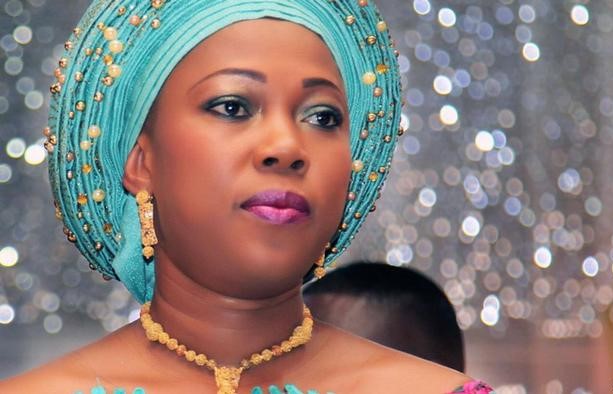
Sierra Leone’s First Lady, Fatima Bio, has emerged as one of the most compelling and controversial political figures in West Africa, with a personal story that stretches from hardship to power.
As a teenager, she narrowly escaped an arranged marriage to a much older man during the country’s civil war. With the help of relatives, she fled to the United Kingdom, arriving in London with little but the hope of a new beginning.
She later built a life in the UK, working as an actress before meeting Julius Maada Bio, whom she married. Today, he leads Sierra Leone as president, and she occupies a role that has evolved far beyond tradition.
A First Lady Who Refuses a Ceremonial Role
Unlike many first ladies who remain largely symbolic, Fatima Bio has positioned herself as an active political and social voice.
She has championed major causes, including the campaign against child marriage, drawing from her own experience. Her advocacy contributed to legislation banning child marriage in Sierra Leone in 2024.
She is also outspoken on issues such as girls’ education and period poverty, frequently engaging directly with communities and using social media to amplify her message.
However, her activism has drawn criticism. Some argue she has crossed the line between advocacy and political interference, especially given her visible role in party politics and public debates.
Public Scrutiny and Political Controversy
Fatima Bio’s visibility has made her a polarizing figure. She has faced criticism from lawmakers, including being openly jeered in parliament, as well as scrutiny over her social media activity and associations.
One controversy involved a video allegedly showing a convicted European drug trafficker at a church service attended by the presidential family. She denied any knowledge of the individual and rejected related allegations.
Questions have also been raised about her continued use of social housing in London and reports about family wealth and property holdings. She has consistently defended her position, stating she has broken no laws.
Balancing Image, Influence, and National Reality
Despite criticism, Fatima Bio has built a strong following, particularly among young people. Her public image blends relatability with ambition, often presenting a modern face of Sierra Leone that contrasts with long-standing global stereotypes.
She has emphasized national identity, religious tolerance, and women’s empowerment, while also positioning herself as a bridge between government and citizens.
Analysts increasingly speculate about her long-term political ambitions, although she has publicly downplayed any immediate plans to run for office.
A Story That Reflects Broader Realities
Fatima Bio’s journey unfolds against a complex national backdrop. Sierra Leone continues to face economic challenges, including inflation, unemployment, and the lingering effects of past crises such as civil war and Ebola.
For many citizens, daily survival remains the primary concern, shaping how political figures are judged.
Her story, therefore, sits at the intersection of personal transformation, political power, and public expectation.
Perspective on Power, Identity and Change
Fatima Bio represents a new kind of African political figure. Her path from vulnerability to influence highlights both the possibilities and tensions that come with changing roles for women in leadership.
Across Africa, more women are stepping into public life, challenging traditional boundaries and reshaping governance spaces.
While debates around her role continue, one reality remains clear. Africa’s political and social landscape is evolving, driven by individuals whose experiences reflect both struggle and ambition.
The continent’s future will increasingly be shaped by voices willing to challenge norms, redefine leadership, and push for systems that better serve the next generation.