

|
Getting your Trinity Audio player ready...
|
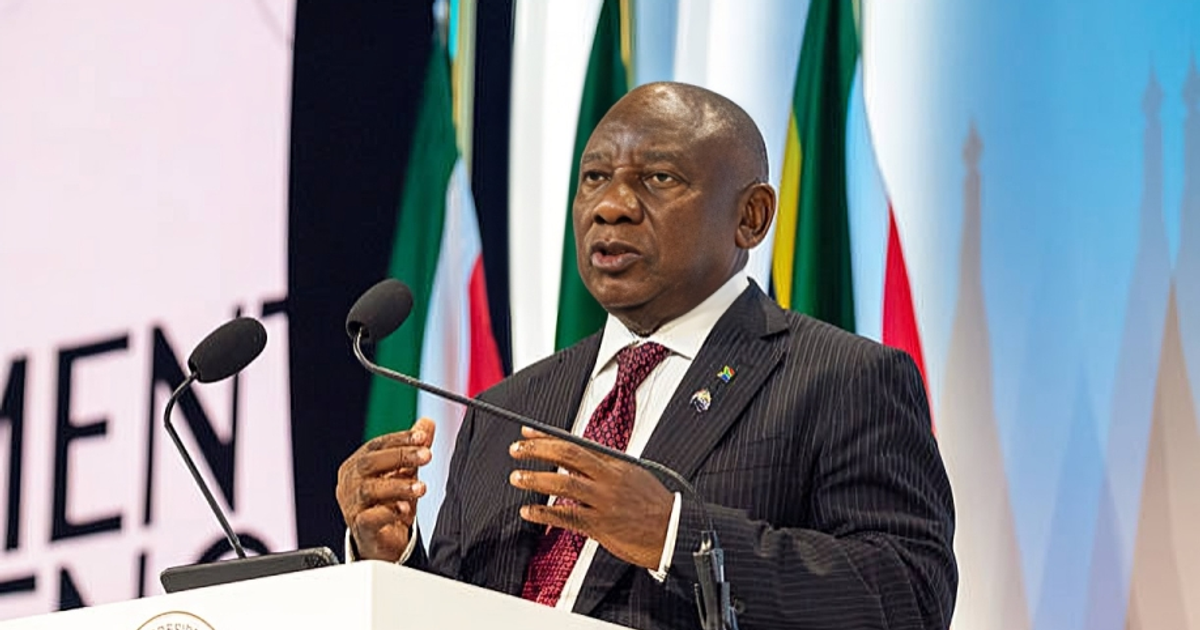
South African President Cyril Ramaphosa has appealed for calm and national unity as the country faces growing anti immigrant tensions, weeks of protests, and incidents of violence linked to immigration concerns.
In a nationally televised address on Sunday, Ramaphosa condemned misinformation and xenophobic rhetoric while acknowledging weaknesses in the country’s migration management systems. His remarks come as anti migrant groups intensify pressure on the government to take stronger action against undocumented immigration.
Ramaphosa Rejects Anti Foreigner Sentiment
Speaking directly to South Africans, Ramaphosa warned against social media campaigns that he said spread misinformation about foreign nationals living in the country.
“We will not be fooled or influenced by social media campaigns that spread misinformation, fake news and lies about people who are in our country,” he said.
The president also condemned tribal and ethnic insults directed at both foreign nationals and South African citizens, describing such behavior as unacceptable.
His comments reflect growing concern within government circles that public frustration over economic conditions could fuel further violence.
Immigration Debate Intensifies
Anti immigrant groups argue that undocumented migrants are contributing to South Africa’s high unemployment rate and placing additional strain on public services such as healthcare and education.
However, Ramaphosa rejected claims that illegal immigration is the primary cause of the country’s economic difficulties.
“There are other causes,” he said. “The answer must be faster economic growth, greater investments, industrial expansion, infrastructure development and the creation of new jobs.”
The remarks highlighted the government’s position that long term economic solutions, rather than scapegoating migrants, are needed to address structural challenges.
Government Promises Tougher Enforcement
While calling for calm, Ramaphosa also acknowledged shortcomings in South Africa’s migration management system and pledged stronger enforcement measures.
According to the president, the Department of Home Affairs, the Border Management Authority, the South African Police Service, and other agencies will intensify efforts to identify and deport undocumented foreign nationals residing illegally in the country.
South Africa’s coalition government, formed in 2024, has made immigration enforcement a greater priority. Authorities say more than 100,000 undocumented migrants have been deported over the past two years.
Ramaphosa stressed, however, that immigration enforcement must remain the responsibility of state institutions.
“Only authorized government officials can act against violations of our law,” he said, warning that some groups were inciting tensions and attempting to take the law into their own hands.
Regional Impact Grows
The unrest has prompted responses from several African governments.
Ghana has already repatriated approximately 300 of its citizens and indicated that additional nationals may be offered assistance to return home amid reported threats.
Nigeria and Malawi have also announced plans to facilitate the return of citizens who wish to leave South Africa.
Meanwhile, Mozambique’s government reported that five of its citizens were killed in what it described as xenophobic attacks in the coastal town of Mossel Bay.
Anti migrant organizations have set a June 30 deadline for undocumented foreign nationals to leave South Africa and have requested formal discussions with government officials.
A History of Xenophobic Violence
South Africa has experienced periodic outbreaks of anti migrant violence over the past two decades.
One of the most deadly episodes occurred in 2008 when more than 60 people were killed during nationwide attacks targeting foreign nationals.
The latest tensions have revived concerns among human rights organizations, community leaders, and regional governments about the potential for further violence if the situation is not carefully managed.
Building Stability in a Complex Challenge
The debate over immigration in South Africa reflects broader questions about economic opportunity, border management, social cohesion, and regional migration across Africa. As governments seek solutions, balancing law enforcement with human rights protections remains a critical challenge.
Africa’s development story continues to evolve, shaped by growing populations, economic transitions, and increasing movement of people across borders. While tensions can test societies, they also create opportunities for stronger institutions, better policies, and deeper regional cooperation. The continent’s future will depend not only on addressing immediate challenges but on building inclusive systems capable of supporting prosperity and stability for generations to come.