
Orphaned Elephant’s Rescue Highlights Nigeria’s Fight to Protect Endangered Forest Giants

|
Getting your Trinity Audio player ready...
|
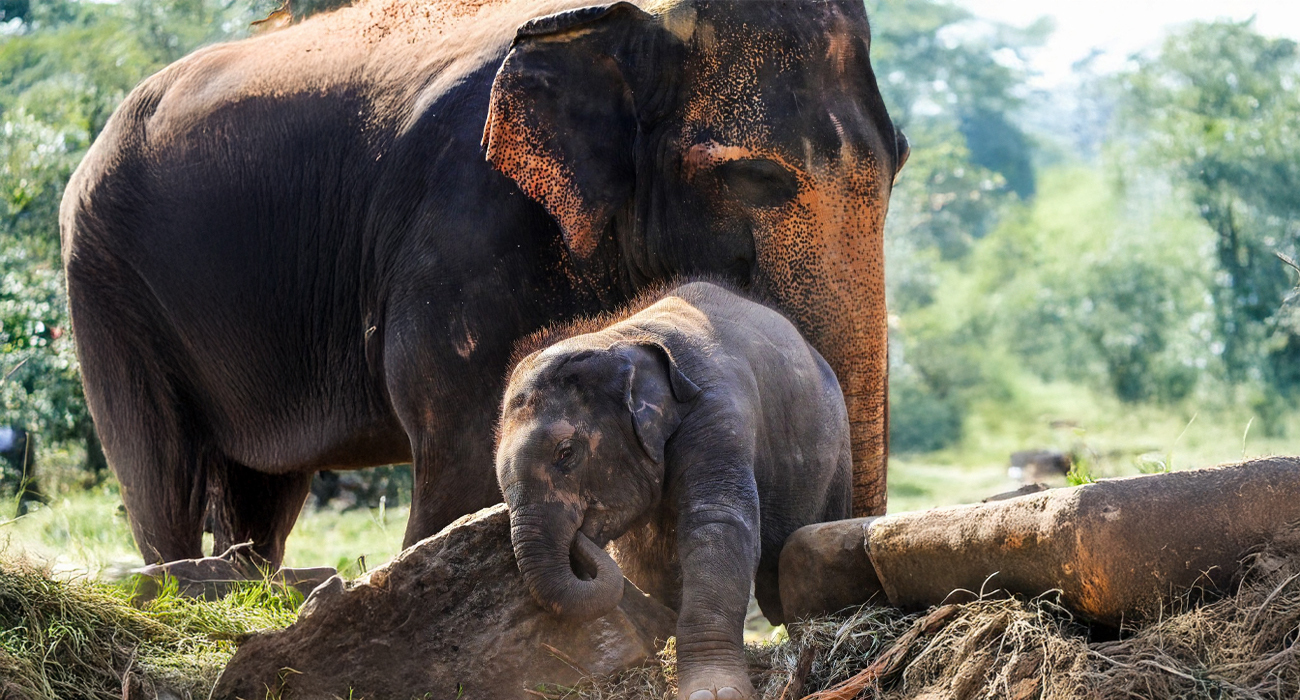
Deep inside Nigeria’s Okomu National Park, a young forest elephant named Agbaibor has become a symbol of both the challenges and hopes surrounding wildlife conservation in Africa’s most populous nation.
The orphaned calf was rescued after wandering alone from the rainforest near a palm oil plantation in southern Edo State. Since then, conservationists, wildlife rangers, and animal care specialists have been working around the clock to ensure his survival while planning for his eventual return to the wild.
A Race to Save a Vulnerable Calf
Agbaibor was discovered late last year after becoming separated from his herd. Rangers initially attempted to reunite him with wild elephants by guiding him back into the forest, but the calf repeatedly emerged alone.
Fearing he would not survive without protection, park authorities partnered with conservation organization African Nature Investors (ANI) to launch an emergency rescue operation.
Specialists were brought in to help rehabilitate the elephant, while caretakers began providing intensive daily care, including regular feedings and constant monitoring.
The Cost of Conservation
Caring for a young elephant is both demanding and expensive.
According to conservation officials, Agbaibor consumes large quantities of milk formula, oats, and nutritional supplements each month. His care costs millions of naira annually, reflecting the significant resources required to save endangered wildlife.
The rehabilitation process is expected to continue for several more years before conservationists consider reintroducing him into a wild herd.
A new enclosure is being developed deeper within elephant habitat to help prepare him for that transition.
Forest Elephants Under Threat
Forest elephants are among the world’s most endangered large mammals. Smaller and more elusive than savannah elephants, they have experienced dramatic population declines due to habitat destruction, poaching, and human encroachment.
Conservationists estimate that only about 200 forest elephants remain in Nigeria, with roughly 40 living in and around Okomu National Park.
The park represents one of the country’s last major rainforest ecosystems and remains a critical refuge for wildlife.
Communities Playing a Key Role
Protecting endangered species requires more than safeguarding animals. It also depends on working closely with local communities.
Some former participants in illegal logging activities have joined conservation programs as wildlife rangers, helping monitor elephant movements and combat poaching.
Conservation groups say community engagement is essential for long-term success, particularly as economic pressures push more people toward protected forest areas.
Balancing Development and Conservation
Nigeria faces the challenge of balancing economic development with environmental protection. Expanding agriculture, logging, and human settlements continue to place pressure on wildlife habitats across the country.
The story of Agbaibor illustrates both the vulnerability of endangered species and the commitment of conservationists working to preserve them.
As forests shrink and wildlife populations decline, efforts to protect remaining habitats are becoming increasingly important for biodiversity and future generations.
A Symbol of Hope for Conservation
For the rangers and caretakers responsible for Agbaibor, the young elephant represents more than a rescue mission. He embodies a broader effort to protect Nigeria’s natural heritage and ensure endangered species continue to survive in the wild.
His journey from vulnerable orphan to future member of a wild herd offers a reminder that conservation success often begins with a single life worth saving.
Alternative Perspective: Guardians of a Vanishing Wilderness
Agbaibor’s rescue highlights the growing importance of conservation across Africa as wildlife faces mounting pressure from development, climate change, and habitat loss. While challenges remain significant, initiatives that combine scientific expertise, community participation, and long-term investment are helping protect some of the continent’s most vulnerable species. The future of Africa’s biodiversity will depend on preserving ecosystems today while creating sustainable opportunities for the communities that live alongside them.