
People with Albinism Receive Free Cancer Screening in Kenya as Awareness Campaign Gains Momentum

|
Getting your Trinity Audio player ready...
|
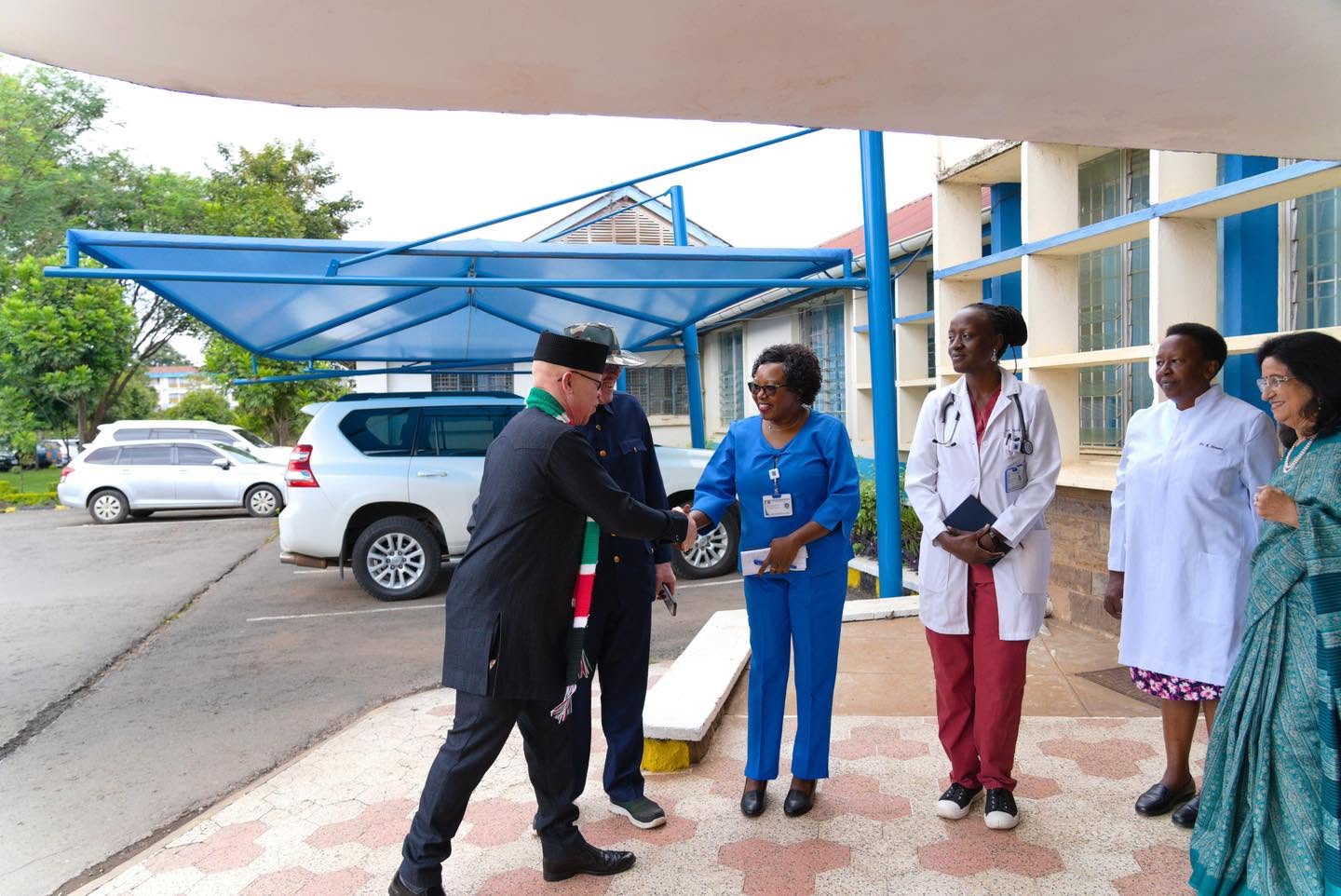
People with albinism in Kenya benefited from free cancer screening services as the country joined the global community in marking International Albinism Awareness Day.
The initiative aimed to address one of the most significant health challenges faced by people living with albinism—an increased risk of skin cancer caused by prolonged exposure to ultraviolet radiation.
This year’s observance highlighted the importance of protecting the dignity, safety, and mental well-being of people with albinism while raising awareness about discrimination based on skin color and appearance.
International Albinism Awareness Day Shines a Spotlight on Inclusion
Observed annually on June 13, International Albinism Awareness Day seeks to increase understanding of albinism and advocate for the rights and well-being of people living with the condition.
The 2026 theme focused on the impact of color-based discrimination and the need to create societies where individuals with albinism can live free from prejudice, violence, and exclusion.
Across Kenya, awareness activities emphasized health education, social inclusion, and access to essential medical services.
Free Cancer Screening Addresses a Critical Health Need
One of the key events during the awareness campaign was the provision of free cancer screening services for people with albinism.
Health experts stress that regular screenings are essential because individuals with albinism have highly sensitive skin and face a greater risk of developing skin cancer due to reduced melanin production.
Participants were encouraged to undergo routine examinations to detect any abnormalities early and receive timely treatment when necessary.
For many beneficiaries, the screening program provided an opportunity to access healthcare services that might otherwise be difficult or expensive to obtain.
Understanding the Risks Associated with Albinism
Albinism is a rare inherited genetic condition characterized by little or no production of melanin, the pigment responsible for the color of the skin, hair, and eyes.
The lack of melanin leaves individuals more vulnerable to harmful ultraviolet rays from the sun, increasing the likelihood of severe sunburn, skin damage, and skin cancer.
Many people with albinism also experience vision challenges, including sensitivity to bright light, reduced visual acuity, and other eye-related conditions that can affect daily life.
These health risks make regular medical checkups and protective measures especially important.
Advocating for Better Healthcare and Support
Advocates continue to call for improved access to sunscreen, protective clothing, regular medical screenings, and specialized healthcare services for people with albinism.
Organizations supporting people with albinism argue that greater public awareness can help reduce stigma while encouraging governments and health institutions to strengthen support systems.
In Kenya, awareness campaigns have increasingly focused on both healthcare access and social inclusion, recognizing that the challenges faced by people with albinism extend beyond medical concerns.
Fighting Stigma Through Education
Despite growing awareness, misconceptions surrounding albinism persist in many communities across Africa and other parts of the world.
Campaigners believe education remains one of the most effective tools for combating discrimination and ensuring that people with albinism enjoy equal opportunities in education, employment, healthcare, and community life.
Public awareness events provide a platform for individuals with albinism to share their experiences while encouraging greater understanding among the wider population.
Protecting Health, Promoting Dignity
The free cancer screening initiative demonstrates the growing recognition of the unique health needs of people with albinism.
By combining medical support with public education and advocacy, Kenya’s awareness activities highlighted the importance of protecting vulnerable communities while promoting inclusion and respect.
As awareness efforts continue to expand, advocates hope that regular health services, stronger legal protections, and greater social acceptance will improve the quality of life for people with albinism across the country and beyond.
Beyond Awareness, Toward Lasting Protection
International Albinism Awareness Day serves as more than a moment of recognition, it is a reminder of the ongoing need for healthcare access, education, and social inclusion. Kenya’s free cancer screening initiative reflects a practical step toward safeguarding the health and dignity of people with albinism while encouraging broader efforts to eliminate discrimination and improve lives.