

|
Getting your Trinity Audio player ready...
|
A growing appetite for healthier lifestyles and cultural preservation is fueling a remarkable revival of traditional cuisine in Zimbabwe. Across the city of Bulawayo, indigenous restaurants are attracting increasing numbers of customers eager to reconnect with authentic local flavors while embracing more nutritious food choices.
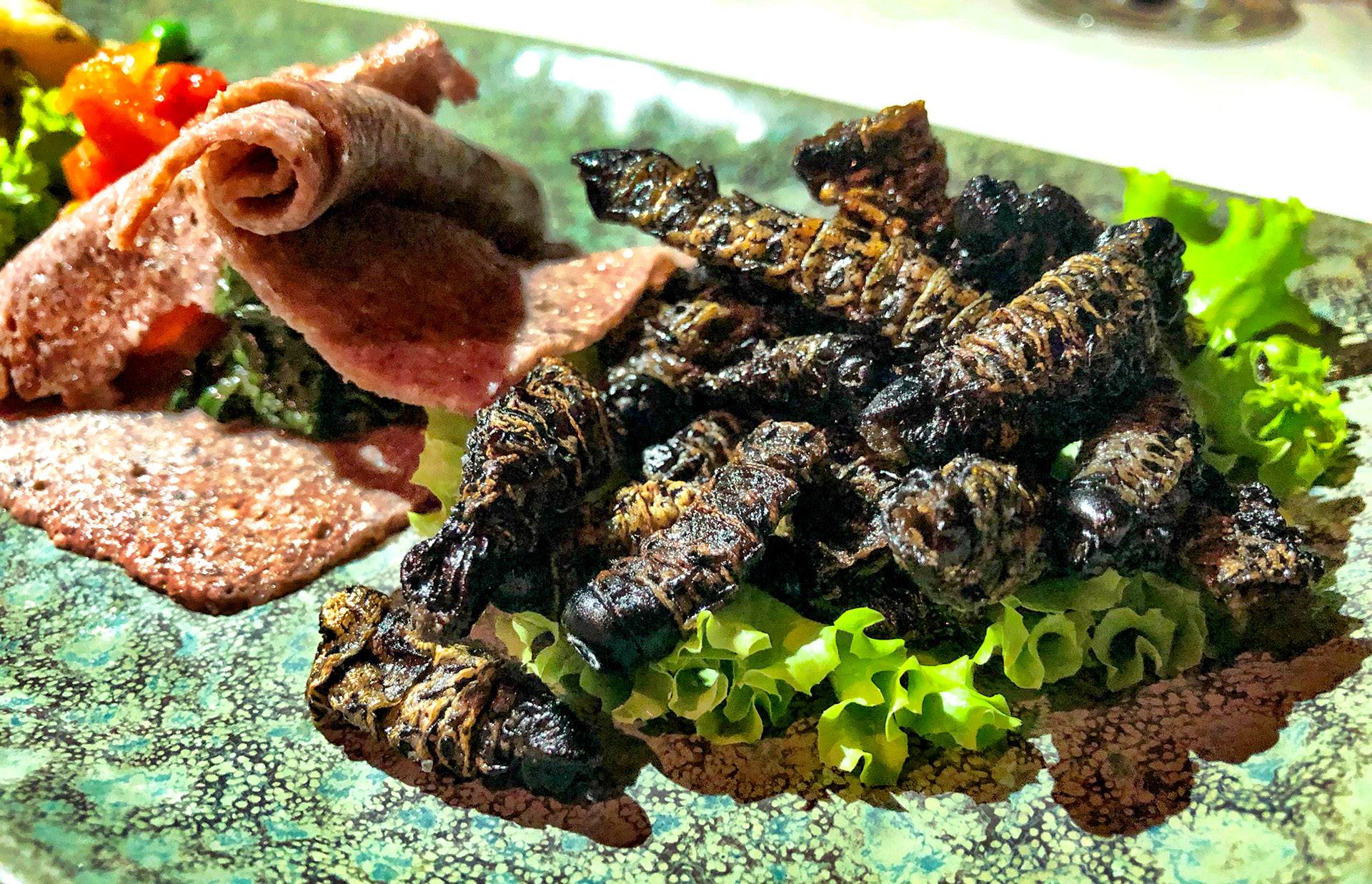
From steaming plates of sadza and village-reared chicken to ox-head stew, tripe, and traditional vegetables, these eateries are breathing new life into recipes that have been passed down through generations.
The trend reflects a broader shift in consumer preferences as many Zimbabweans move away from highly processed foods and return to indigenous ingredients that have long been part of the country’s culinary heritage.
Health Awareness Driving Demand
Food experts say growing awareness about nutrition and preventive healthcare is one of the biggest factors behind the revival.
Traditional grains, legumes, and leafy vegetables are increasingly being recognized for their nutritional value. Health-conscious consumers are seeking meals that are naturally rich in essential nutrients while avoiding heavily processed alternatives.
Restaurant operators report that customers from all age groups—including professionals, retirees, students, and families—are showing renewed interest in traditional dishes.
Many believe indigenous foods offer a healthier and more sustainable approach to eating while helping preserve cultural identity.
Indigenous Restaurants Flourish
The growth of indigenous restaurants in Bulawayo has been particularly striking.
Industry observers note that the number of establishments specializing in traditional cuisine has increased significantly over the past few years. These restaurants focus on locally sourced ingredients and traditional preparation methods, offering diners an authentic experience that reflects Zimbabwe’s rich culinary heritage.
Owners say demand continues to rise as customers seek meals that remind them of home while supporting local businesses and farmers.
Preserving Culture Through Food
For many restaurant operators, serving traditional food is about more than business.
It is an effort to preserve customs, cooking techniques, and recipes that form an important part of Zimbabwe’s cultural identity. Traditional meals often carry stories, memories, and values passed from one generation to the next.
As globalization influences eating habits across Africa, many Zimbabweans see indigenous cuisine as a way to maintain a connection with their roots and celebrate local traditions.
Diaspora Communities Reconnect with Home
The revival is also being supported by Zimbabweans returning from abroad.
Many members of the diaspora who spent years living in Europe, North America, and other regions often seek familiar flavors upon returning home. Traditional restaurants provide a sense of comfort and belonging while reconnecting them with childhood memories and cultural experiences.
This growing appreciation for local cuisine has helped strengthen demand and increase visibility for indigenous food businesses.
Economic Opportunities for Farmers
The resurgence of traditional cuisine is creating opportunities throughout the agricultural value chain.
Farmers producing indigenous chickens, small grains, vegetables, and other traditional ingredients are benefiting from increased demand. Some restaurant owners report difficulties sourcing enough locally raised products to meet customer needs.
The trend is helping strengthen local food systems, create jobs, and support rural livelihoods while encouraging sustainable agricultural practices.
A Culinary Renaissance
As traditional food restaurants continue to expand across Bulawayo, Zimbabwe’s indigenous cuisine is experiencing a renaissance.
The movement demonstrates how food can serve as a bridge between the past and the future—preserving cultural heritage while supporting economic development and healthier lifestyles.
In an era dominated by fast food and convenience meals, Zimbabwe’s traditional food revival proves that old recipes still hold tremendous value and continue to resonate with modern consumers.