
Abiy Ahmed’s Prosperity Party Secures Dominant Victory in Ethiopia’s Parliamentary Election
|
Getting your Trinity Audio player ready...
|
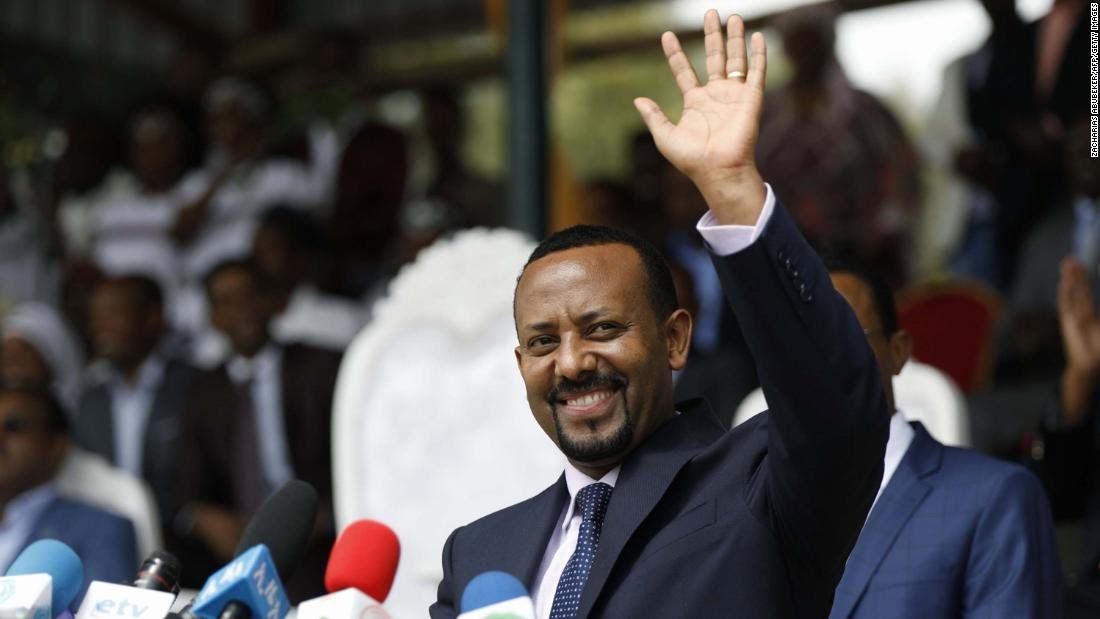
Ethiopian Prime Minister Abiy Ahmed’s Prosperity Party has secured a commanding victory in the country’s latest parliamentary elections, winning 438 of the 486 seats announced by electoral authorities and reinforcing its dominance in Ethiopia’s political landscape.
The results, released by the National Elections Board of Ethiopia following the June 1 vote, give the ruling party close to 90 percent of the contested seats. The election took place across 501 constituencies, with approximately 40 million voters casting ballots from a registered electorate of 54 million.
The outcome further consolidates Abiy Ahmed’s position after eight years in power. Since becoming prime minister in 2018, Abiy has overseen significant political and economic reforms but has also faced increasing criticism from opponents and rights groups who argue that democratic space has narrowed in recent years.
Opposition Faces Uphill Battle
Although more than 40 political parties participated in the election, many lacked the financial resources and nationwide organization needed to compete effectively against the ruling party.
The Prosperity Party fielded candidates in 461 constituencies, while the largest opposition challenger, Ezema, contested only 293 seats. In 64 constituencies, the ruling party faced no opposition candidate at all.
The election results mean the Prosperity Party remains firmly positioned to select the next prime minister when Ethiopia’s newly elected parliament convenes later this year.
Security Concerns Disrupt Voting
The election unfolded against the backdrop of continuing security challenges in several regions of the country.
The electoral commission reported that 143 polling stations failed to open because of security concerns. Voting was also disrupted in parts of the Amhara and Oromia regions.
In Amhara, clashes between federal forces and Fano nationalist militias have continued for more than three years. Meanwhile, in Oromia, violence involving the Oromo Liberation Army affected some communities during the voting period.
Tigray Remains Excluded
One of the most notable absences from the election was the northern Tigray region, where voting did not take place.
Tigray is still recovering from the devastating conflict that lasted from 2020 to 2022 and resulted in hundreds of thousands of deaths. Rising tensions between regional and federal authorities have renewed concerns about potential instability, with both sides accusing each other of preparing for further confrontation.
The absence of voting in the region highlights the ongoing challenges Ethiopia faces as it seeks to balance national unity, security, and democratic participation.
A New Political Mandate
The election result provides Abiy Ahmed and the Prosperity Party with a renewed mandate at a time when Ethiopia is navigating complex economic pressures, security concerns, and regional tensions.
The government’s supporters argue that political stability is necessary to sustain economic development and infrastructure growth. Critics, however, continue to call for broader political inclusion and stronger democratic institutions.
As Ethiopia moves toward the formation of its next government, attention will increasingly focus on how the administration addresses conflict, governance, and economic reform in one of Africa’s most influential nations.
Despite the challenges that remain, Ethiopia’s future will continue to be shaped by the energy and aspirations of its young population. As institutions evolve and political debates continue, many Ethiopians are looking toward a future defined by stability, opportunity, and national development. Africa’s story is still being written, and the choices made today will help shape the continent’s next chapter.