
Zimbabwe Plans to Leverage Lithium Wealth to Build Roads and Railways Through China Partnership

|
Getting your Trinity Audio player ready...
|
Zimbabwe is exploring an ambitious plan to transform its vast lithium reserves into a catalyst for national infrastructure development. The southern African nation is discussing resource-backed financing arrangements with China that could see future mineral revenues used to fund major road and railway projects.
Finance Minister Mthuli Ncube revealed that discussions have begun with China Railway Group regarding financing structures linked to natural resource revenues. The proposal forms part of Zimbabwe’s broader strategy to convert its growing importance in the global battery minerals market into tangible economic development at home.
Under the model being considered, future earnings from mineral exports would help repay loans dedicated to transport infrastructure projects, creating a direct connection between Zimbabwe’s resource wealth and its infrastructure ambitions.
Beijing Deepens Its Footprint in Zimbabwe’s Battery Economy
The discussions arrive as Chinese companies continue to expand their presence in Zimbabwe’s lithium sector. Since 2021, Chinese investors have committed more than $2 billion to lithium projects across the country, making Zimbabwe one of Beijing’s most important sources of battery minerals in Africa.
Major Chinese firms operating in the sector include Zhejiang Huayou Cobalt, Sinomine Resource Group, Chengxin Lithium Group and Yahua Group. Their investments have helped position Zimbabwe as Africa’s leading producer of lithium-bearing spodumene concentrate.
In 2025 alone, Zimbabwe exported approximately 1.13 million metric tons of lithium concentrate to China, accounting for about 15% of Chinese imports of the critical mineral. As demand for electric vehicles, energy storage systems and consumer electronics continues to grow, Zimbabwe’s role within global battery supply chains is becoming increasingly significant.
A $34 Billion Infrastructure Challenge
While mining investment has surged, Zimbabwe continues to face substantial infrastructure constraints. According to estimates from the African Development Bank, the country requires roughly $34 billion to modernize its transport and logistics systems.
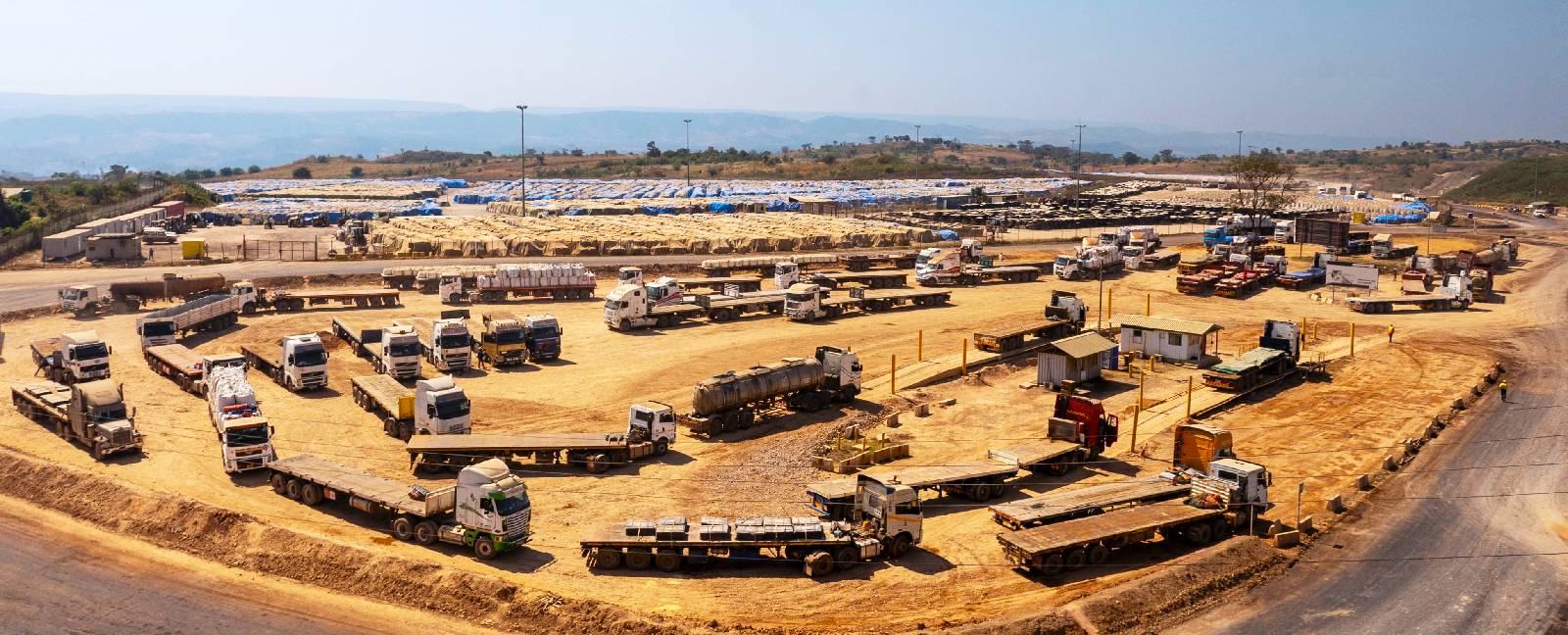
Years of underinvestment have left Zimbabwe’s railway network struggling to meet the needs of industry. The deterioration of rail infrastructure has increased logistics costs for businesses and forced greater reliance on road transport.
Improved transport networks could significantly benefit both mining companies and the wider economy by reducing export bottlenecks, lowering transportation costs and improving access to regional markets. For Chinese investors already active in Zimbabwe’s mining industry, upgraded roads and railways would also enhance the efficiency of mineral exports.
Following a Familiar African Financing Model
Zimbabwe is not the first African nation to consider resource-backed financing arrangements. Similar models have been used elsewhere on the continent to support large-scale infrastructure development.
Angola utilized oil-backed loans from China to rebuild infrastructure following its civil war. The Democratic Republic of the Congo entered the Sicomines agreement, linking infrastructure investments to copper and cobalt resources, while Guinea’s Simandou project has also incorporated major infrastructure commitments tied to mineral development.
Supporters argue that these arrangements can provide countries with limited access to traditional financing the ability to accelerate infrastructure projects. Critics, however, caution that such agreements may expose governments to future debt risks and reduce transparency if contract terms are not publicly disclosed.
For Zimbabwe, these concerns are particularly relevant given its existing debt challenges and limited access to some forms of international development financing.
Betting on Local Value Addition
Alongside infrastructure ambitions, Zimbabwe is pursuing another major objective: capturing more value from its lithium resources before export.
The government plans to proceed with a ban on lithium concentrate exports beginning in January 2027. The policy is intended to encourage domestic processing and reduce reliance on exporting raw materials.
Currently, Zhejiang Huayou Cobalt operates Zimbabwe’s only fully functional lithium sulphate processing facility. Other companies, including Sinomine’s Bikita Minerals operation and Yahua’s Kamativi project, are developing or evaluating additional processing capacity.
Authorities believe the policy will help create jobs, stimulate industrial development and allow Zimbabwe to retain a larger share of the value generated by the global battery industry.
High Stakes for Zimbabwe’s Economic Future
Zimbabwe’s strategy represents a complex balancing act. The government is simultaneously attempting to leverage future mineral revenues to finance infrastructure while requiring greater domestic processing of lithium resources.
Success could position the country as more than just a supplier of raw materials, enabling it to capture greater economic benefits from the global energy transition. Failure, however, could expose Zimbabwe to financing risks, infrastructure delays and challenges associated with implementing ambitious industrial policies.
Much will depend on commodity prices, contract transparency, debt management, energy availability and the speed at which processing facilities can be developed.
As global demand for battery minerals continues to rise, Zimbabwe is seeking to ensure that its lithium boom delivers more than export earnings. By linking mineral wealth to roads, railways and industrial development, the country hopes to build a foundation for broader economic transformation rather than simply exporting another generation of valuable resources.