
Africa Trade Integration Push Targets Customs, Payments and Regional Value Chains

|
Getting your Trinity Audio player ready...
|
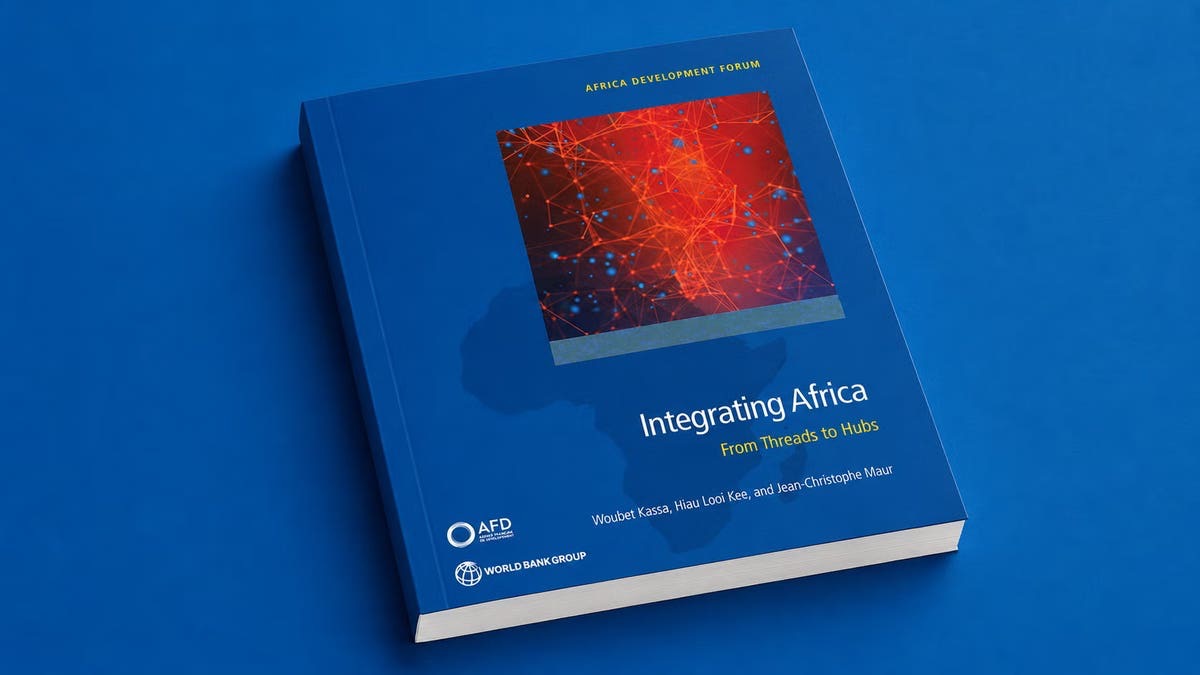
The African Union and World Bank are launching a new blueprint for regional economic integration today, shifting the focus from signing continental trade agreements towards making the systems African businesses use every day work across national borders.
The report, Integrating Africa: From Threads to Hubs, is being launched at African Union headquarters in Addis Ababa with participation from the AU, World Bank and United Nations Economic Commission for Africa.
Its central argument is that Africa’s integration challenge has changed.
The African Continental Free Trade Area has established the legal framework for a larger continental market, but reducing tariffs alone will not automatically make African economies function as one interconnected marketplace.
Companies still encounter incompatible customs systems, repeated inspections, different product standards, restricted transport services, fragmented payment systems and national regulatory barriers.
These obstacles increase the economic distance between countries even when their geographic distance is small. The report proposes four broad areas for reform.
The first is building regional production networks that allow different countries to specialise and participate in the same value chains. That could mean connecting mineral extraction in one country with processing and manufacturing elsewhere, or linking agricultural production to regional food-processing industries.
The second priority is reducing trade friction. Customs systems, transport rules, payment infrastructure, energy networks and standards need greater interoperability if firms are to operate efficiently across multiple African countries.
The third is strengthening regional agreements themselves. The report argues that detailed, binding and enforceable commitments on services, investment, transparency, trade facilitation and dispute settlement generally produce stronger integration outcomes.
The final pillar is developing regional public goods. Transport corridors, power pools, digital networks, disease surveillance and payment systems create benefits that extend beyond a single national border and therefore require coordinated investment.
The report also highlights the value of intra-African commerce.
Although regional trade remains a relatively small share of Africa’s overall international trade, it tends to be more diversified and more manufacturing-intensive than African trade with the rest of the world.
That distinction is important because manufacturing and value-added production can generate skills, industrial capacity and employment beyond what is typically created through the export of unprocessed commodities.
Regional markets can also provide African firms with the scale needed to grow before competing internationally. This gives AfCFTA a purpose that extends beyond increasing the volume of goods crossing borders.
Its deeper promise is helping African countries build production systems in which more of the continent’s raw materials are transformed into finished or intermediate goods within Africa.
Implementation remains the central challenge. Continental agreements may be negotiated at AU level, but customs offices, ports, roads, regulations and licensing systems are often controlled nationally.
Governments therefore retain considerable power to reduce trade costs without waiting for every continental reform to be completed.
For Africa, this is where economic integration becomes real. The continent has spent decades creating regional organisations and signing agreements designed to bring its markets closer together. Those institutions are still developing, but the question is increasingly practical rather than philosophical. Can a manufacturer move components across borders easily? Can a business receive payment from a customer next door? Can electricity, data and professional services move regionally? Africa already has the vision of a continental market. The next task is making that market function.