

|
Getting your Trinity Audio player ready...
|
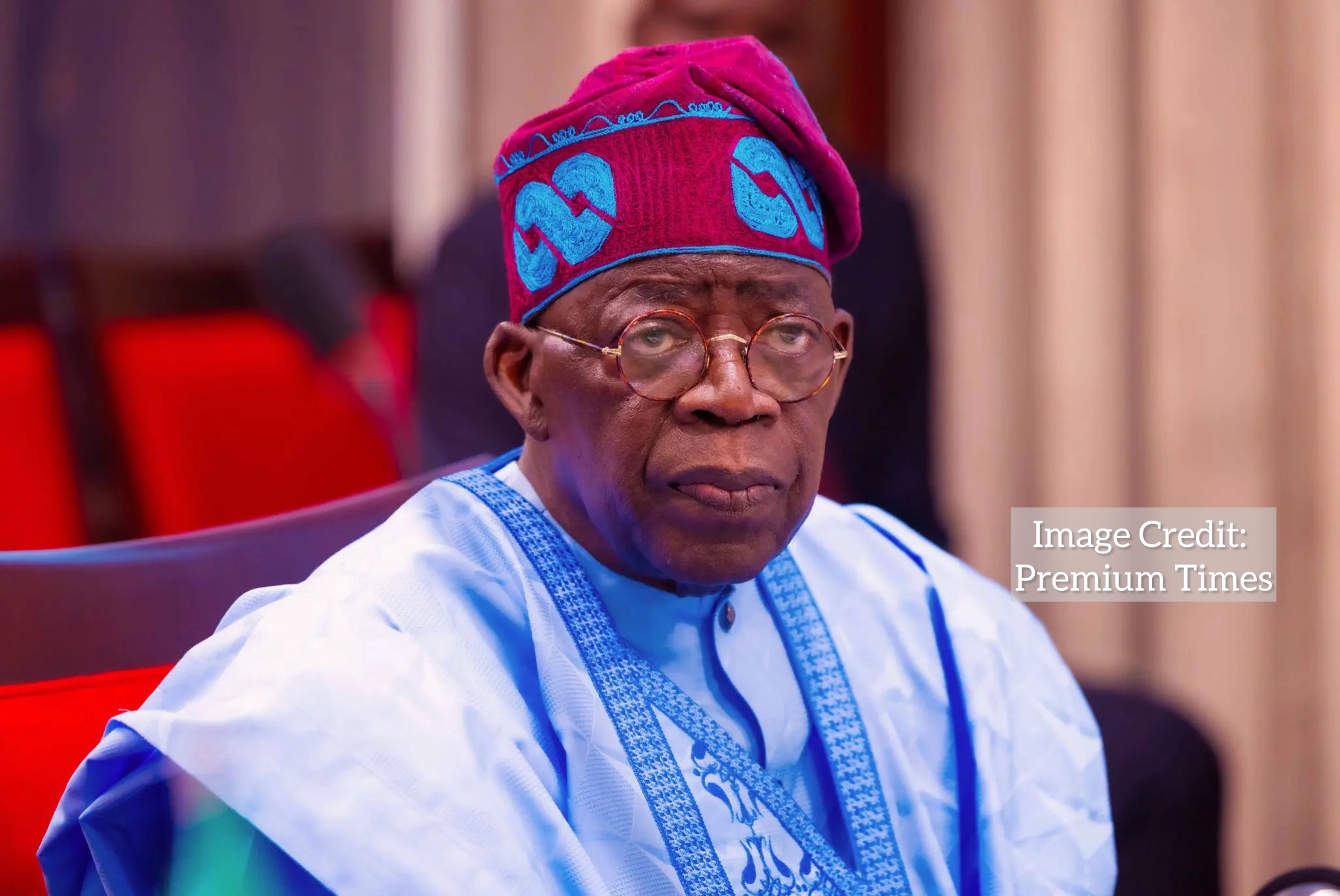
On the second anniversary of his presidency, Nigerian President Bola Tinubu emphasized the strides made under his administration’s economic reforms, asserting that the nation is on a path to recovery despite enduring challenges such as high inflation and security concerns.
In his address, President Tinubu pointed to a significant reduction in the fiscal deficit from 5.4% of GDP in 2023 to 3.0% in 2024 as evidence of improved fiscal management. He attributed this progress to the elimination of fuel and electricity subsidies and the devaluation of the naira, measures aimed at stabilizing the economy. These reforms have led to increased government revenue and a rebound in GDP growth to 3.86%, the fastest in three years.
However, these economic adjustments have not been without hardship. The removal of subsidies and currency devaluation have contributed to a cost-of-living crisis, with inflation rates exceeding 23%. Food prices have surged, and many Nigerians are grappling with the increased cost of basic necessities.
In response to public outcry and labor union demands, the government raised the national minimum wage to ₦70,000, following a general strike that highlighted the populace’s struggles.
To address food insecurity exacerbated by climate change and water scarcity, the Tinubu administration declared a state of emergency on food security. Initiatives include the activation of 500,000 hectares of farmland and the distribution of grains and fertilizers to support farmers.
Infrastructure development has been a focal point, with significant investments in projects like the 750km Lagos-Calabar Coastal Highway and the 1,068km Sokoto-Badagry Superhighway. These projects aim to enhance connectivity and stimulate economic growth.
Despite these efforts, security remains a pressing issue. While the government reports improvements in certain areas, violence and kidnappings persist, particularly in the northern regions, hindering agricultural activities and economic stability.
Looking ahead, President Tinubu has requested parliamentary approval for external borrowing of $21.5 billion to fund ongoing reforms and infrastructure projects. The administration projects that inflation will decline from the current rate of 34.6% to 15% next year, and the exchange rate will improve from approximately ₦1,700 per dollar to ₦1,500.
As Nigeria navigates these economic reforms, the administration faces the challenge of balancing fiscal discipline with the immediate needs of its citizens, ensuring that the benefits of economic recovery are felt across all sectors of society.