
Africa’s Urban Crossroads: What UN-Habitat’s 2024 Report Means for the Continent’s Housing Future
Written By Maxine Ansah

|
Getting your Trinity Audio player ready...
|
A home is more than just four walls and a roof. It is a foundation for dignity, health, education, and opportunity. Yet, for millions across Africa, adequate housing remains a distant dream. The 2024 Annual Report released by UN-Habitat is a sobering reminder of this reality and a clarion call for transformative action. With nearly 2.8 billion people globally lacking access to adequate housing and over 1.1 billion living in slums or informal settlements, the report underscores the urgent need for sustainable housing strategies—particularly on the African continent.
A Growing Urban Crisis
Africa is urbanising rapidly. The continent is home to some of the world’s fastest-growing cities, yet this growth is not matched by adequate infrastructure or housing development. According to UN-Habitat, the world needs 96,000 new housing units per day to meet adequate housing needs by 2030. That is approximately one home every second.
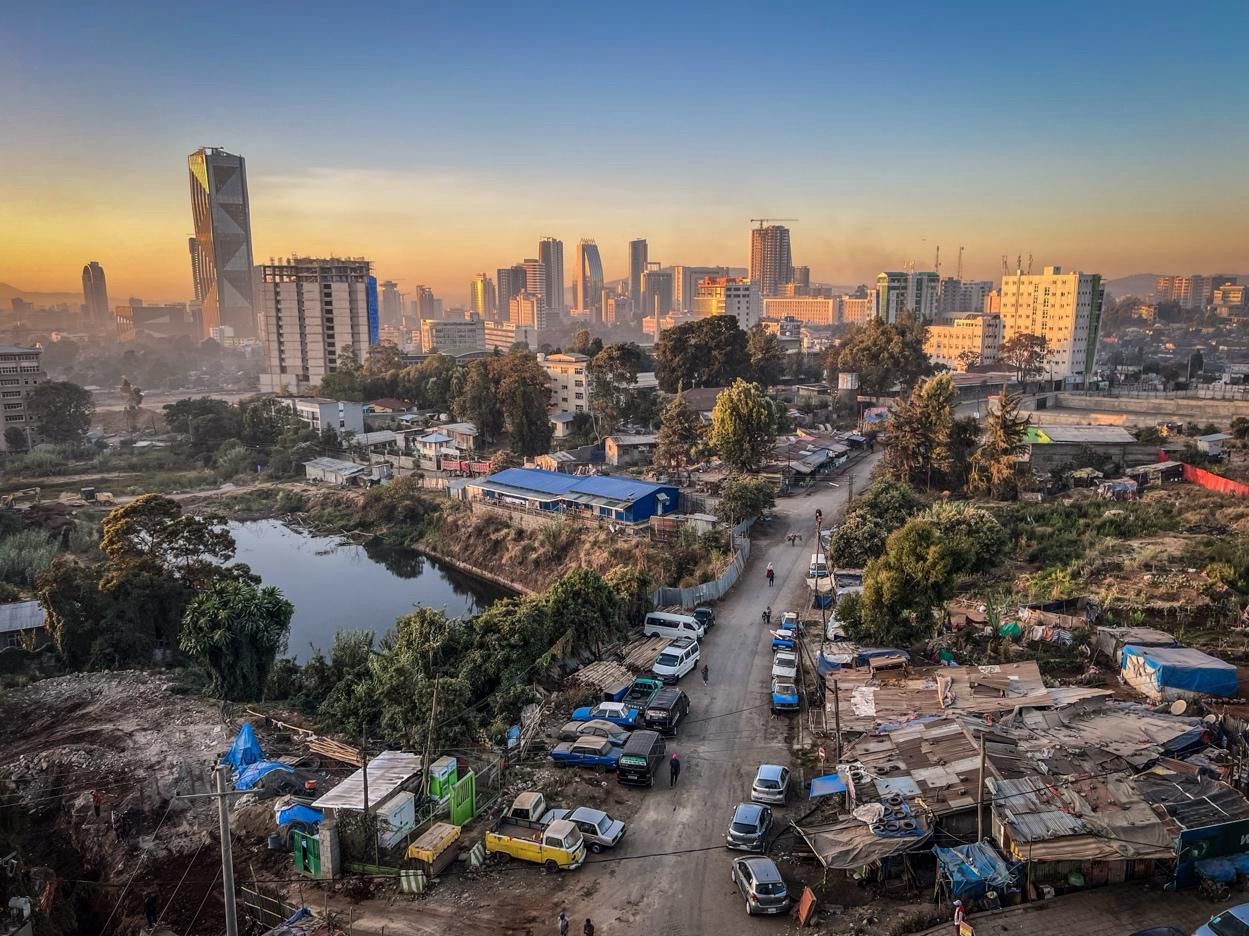
For African countries, this statistic is especially stark. Cities such as Lagos, Nairobi, Kinshasa and Addis Ababa are expanding at breakneck speed, driven by population growth and rural-to-urban migration. But much of this expansion is taking place in informal settlements, where residents often lack access to clean water, sanitation, secure land tenure and safe building structures.
UN-Habitat’s Executive Director, Anacláudia Rossbach, aptly stated, “The global housing crisis is no longer just about housing. It is a wake-up call for action.” She stressed the need to rethink urban policies, land use, legislation and financing in order to centre housing and basic services in the broader development agenda.
The African Implications
For Africa, the implications of the report are profound. The continent’s housing gap is both a challenge and an opportunity. On one hand, the shortage of affordable, adequate housing threatens social cohesion, exacerbates poverty and exposes millions to climate and conflict risks. On the other hand, addressing this gap could unlock new pathways for inclusive economic growth, job creation, climate resilience and improved health outcomes.
In 2024, UN-Habitat supported 205,000 people in slums and informal settlements across 19 countries in accessing basic services. This includes access to water, clean energy and sanitation. Additionally, nearly 100,000 households globally gained more secure land tenure: an issue of significant importance in Africa, where insecure land rights remain a source of conflict and vulnerability.
UN-Habitat’s work also touched the lives of 68,000 people through expanded access to sustainable transport. Furthermore, 74 cities benefited from institutional mechanisms that enabled civil society participation in urban planning processes, with more than 237 million people indirectly impacted. These numbers illustrate that change is possible when political will, resources and community engagement come together.
Policy, Data and Political Commitment
Africa stands at a policy crossroads. The report highlights that 64 countries received support to advance national-level urban policies in 2024. As more African governments seek to integrate housing into their national development plans, this momentum must be sustained and scaled.
Moreover, the continent’s ability to collect and analyse data remains crucial. In 2024, 27 countries were supported by UN-Habitat in collecting Sustainable Development Goal (SDG) data using harmonised methods to define cities and human settlements. For African policymakers, this data is essential in crafting evidence-based solutions tailored to specific urban contexts.
Global Conversations, African Voices
UN-Habitat’s leadership on the global stage has offered a platform for African voices to shape the housing agenda. The twelfth session of the World Urban Forum (WUF12), held in Cairo, Egypt in 2024, attracted over 25,000 participants from 181 countries. The Cairo Call to Action, which emerged from the forum, reaffirmed global commitments to adequate, safe and affordable housing and the transformation of informal settlements.
These discussions are not merely academic. They influence funding priorities, guide international cooperation and shape the frameworks within which African governments operate. At COP29, UN-Habitat also amplified the intersection of housing and climate action—an area particularly pertinent to African nations grappling with climate-induced displacement and environmental degradation.
Looking Ahead: A Continental Agenda
As UN-Habitat prepares to roll out its Strategic Plan 2026–2029, housing, land and access to basic services will be at the heart of its work. For Africa, this presents a timely opportunity to align continental initiatives such as the African Union’s Agenda 2063 and the Africa Urban Agenda with the global momentum on housing.
But real progress will depend on the ability of African leaders to act. Governments must prioritise housing in public budgets, adopt inclusive policies that protect the most vulnerable, and engage with grassroots organisations and the private sector to scale solutions.
“Housing is more than shelter—it is a foundation for dignity, prosperity and security,” said Rossbach. “Solving the housing crisis requires collective ambition and long-term commitment.”
In the face of daunting statistics and entrenched challenges, Africa must choose action over apathy. The housing crisis may be global, but the solutions must be local, context-specific and people-centred.