

|
Getting your Trinity Audio player ready...
|
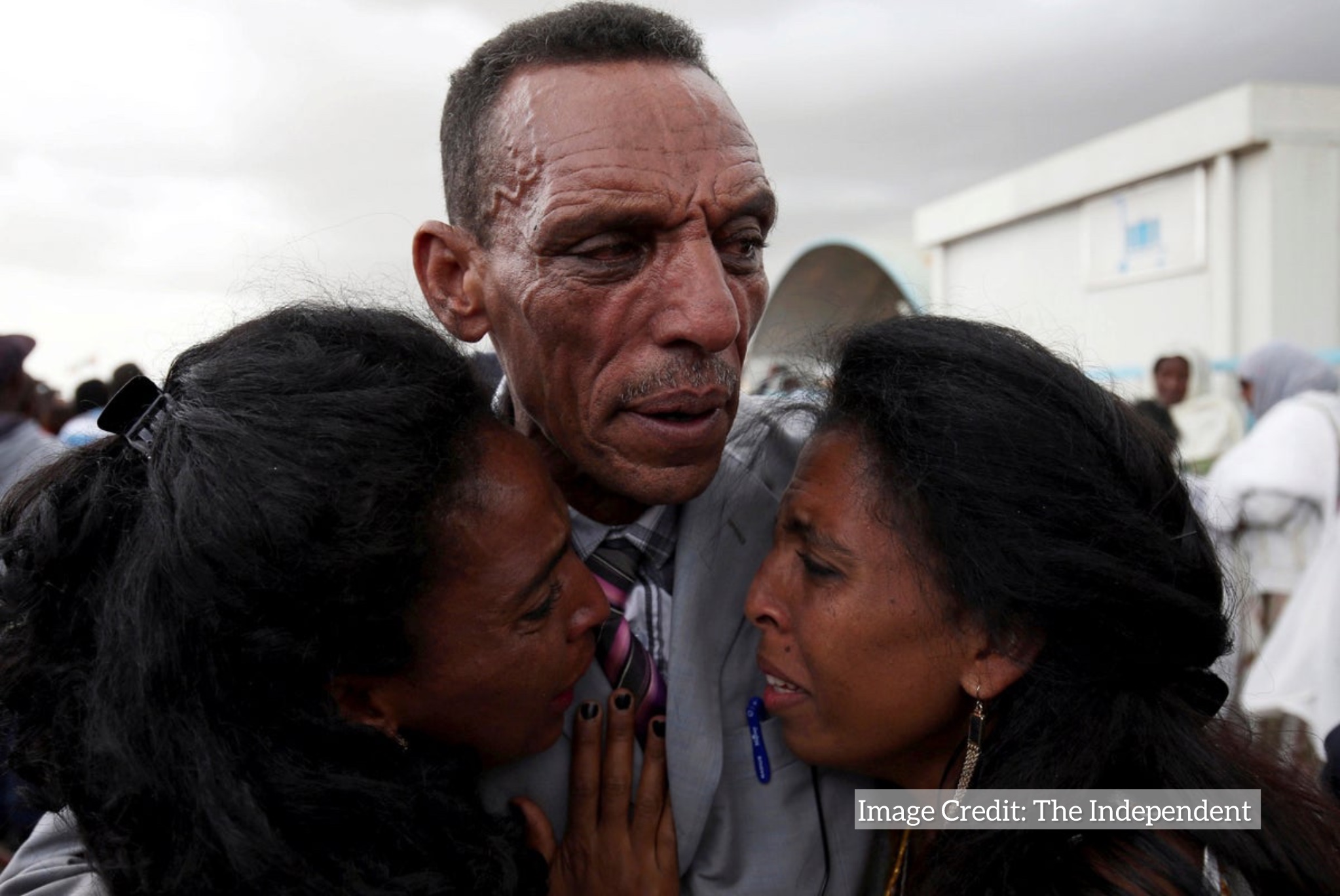
After five years of sealed borders, strained relations, and painful silence, families and communities from Ethiopia and Eritrea are finally reuniting in scenes of overwhelming emotion and hope. Along the dusty roads of Zalambessa and other border towns, tears flowed freely and ululations echoed as thousands of citizens crossed reopened checkpoints to embrace loved ones they hadn’t seen or even spoken to for half a decade. Mothers embraced grown children, elderly parents reunited with long-lost sons, and siblings held each other tightly as if unwilling to let go again.
This wave of reunions marks a significant breakthrough following the 2018 peace agreement signed by Ethiopian Prime Minister Abiy Ahmed and Eritrean President Isaias Afwerki, which ended decades of hostility and formally re-established diplomatic ties between the two nations. Although borders were briefly opened after the agreement, they were suddenly closed again in 2019 without formal explanation. What followed was five long years of diplomatic silence, halted communication, and growing frustration among ordinary citizens separated by a political stalemate.
Now, in 2025, under mounting regional and international pressure, both governments have agreed to reopen key crossings most notably at Zalambessa, Rama, and Bure. The move has been hailed by citizens and observers alike as a vital step toward reconciliation, peace, and regional stability.
Among those reunited was Lemlem Kahsai, an 82-year-old Eritrean mother who wept as she clutched her son Girmay Solomon, an Ethiopian farmer. “Twenty years,” she whispered.
“I never thought I would see him again.”
Their story is one of many that represent the complex and painful legacy of the war and division that tore families apart for over two decades.
For others, the reopening of the border has economic significance. Traders from Mekelle and Asmara flooded the crossings with goods, coffee, textiles, grains, electronics, eager to reestablish commerce that once thrived between the neighboring countries. Restaurants, taxi services, and markets along the border have experienced a surge in activity, breathing new life into communities devastated by isolation.
“The peace is not just about politics,” said Tewodros Hailu, a restaurant owner in the Ethiopian border town of Adigrat.
“It’s about people, families, friends, markets, memories. The border was a wall between us, and now it’s a door again.”
Human rights organizations and civil society groups are now calling on both governments to institutionalize the peace and protect the rights of cross-border families. They urge the implementation of formal communication frameworks, legal protections for dual citizens, and support for cultural and educational exchange programs.
Still, the road ahead remains uncertain. Tensions persist, especially in the Tigray region, where recent conflict and humanitarian crises have left scars. Political analysts caution that without sustained dialogue, transparent agreements, and people-centered policies, the current peace could be temporary.
Nonetheless, the reunions at the border serve as a powerful reminder of the enduring connections between the Ethiopian and Eritrean people. For many, this moment is more than symbolic—it is the rekindling of a shared past and the beginning of a long-overdue healing process.
As border towns continue to fill with returning travelers, the message is clear: peace is not just signed in conference rooms, it is lived and felt in the arms of a long-lost family member.