

|
Getting your Trinity Audio player ready...
|
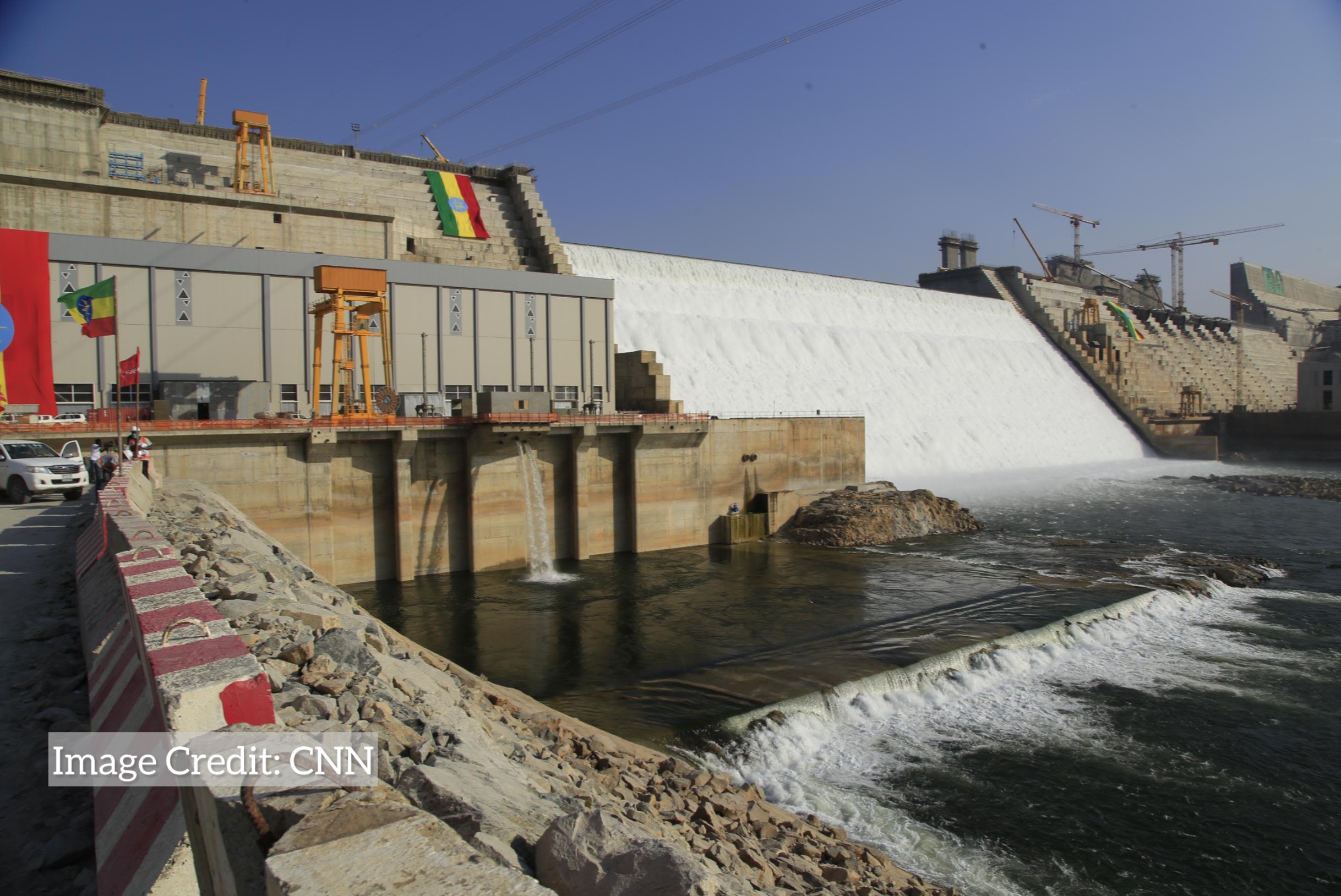
Ethiopia has officially completed the construction of its flagship infrastructure project, the Grand Ethiopian Renaissance Dam (GERD), the country’s Prime Minister Abiy Ahmed announced in early July 2025. The $4 billion hydroelectric dam, which has been under construction since 2011, is the largest of its kind in Africa and has long been a flashpoint in regional tensions involving Egypt and Sudan.
Situated on the Blue Nile River in the Benishangul-Gumuz region near the Sudanese border, GERD is expected to play a transformative role in Ethiopia’s economic development. With a capacity of more than 6,000 megawatts, the dam is intended to double Ethiopia’s electricity output and provide power to millions, both domestically and across the Horn of Africa.
A Source of National Pride
The project has been a source of immense national pride for Ethiopians, who have financed much of the dam through public contributions and government bonds. It symbolizes a push toward energy self-sufficiency and industrialization in one of Africa’s fastest-growing economies.
“This is a historic moment for Ethiopia and for all Ethiopians,” said Prime Minister Abiy Ahmed during a ceremony announcing the dam’s completion. “The Renaissance Dam is not merely a project of concrete and steel, it is a symbol of our unity, resilience, and determination.”
Regional Concerns Persist
Despite the celebratory mood in Addis Ababa, GERD remains highly controversial in downstream countries. Egypt and Sudan, both of which rely heavily on Nile waters for agriculture, drinking water, and industry, have repeatedly expressed concern that the dam will reduce water flow during times of drought or poor coordination.
Egypt, which depends on the Nile for over 90% of its freshwater needs, has described the dam as an existential threat. Sudan, while more ambivalent, has raised concerns about water flow management and dam safety, particularly for its own Roseires Dam located downstream.
Ethiopia’s Reassurances
Prime Minister Abiy Ahmed used the occasion to send a conciliatory message to Egypt and Sudan.
“To our neighbours downstream Egypt and Sudan, our message is clear: the Renaissance Dam is not a threat, but a shared opportunity,” he stated.
He emphasized Ethiopia’s commitment to cooperation and mutual benefit, particularly in water management and energy sharing.
However, past negotiations between the three countries brokered at various times by the African Union, United States, and others have repeatedly stalled over legal and technical disagreements, especially around binding agreements on water flow and dispute resolution mechanisms.
Hydropower Potential and Regional Impact
Now fully constructed and operational, GERD has the potential to become a key supplier of electricity not just within Ethiopia, but across East Africa. Ethiopia has already signed power export agreements with neighboring countries, including Kenya, Sudan, and Djibouti, and sees the dam as central to its ambition to become a regional energy hub.
Environmental groups and analysts, meanwhile, have cautioned about the ecological implications of large-scale hydropower projects, including disruption of sediment flow, potential biodiversity loss, and impacts on riverine communities.
Conclusion
With construction now complete, the GERD marks a new chapter in Ethiopia’s modern history. But as the country celebrates a monumental engineering feat, the broader geopolitical challenges surrounding water security and transboundary cooperation remain unresolved. The hope among observers is that the completion of the dam will now pave the way for renewed diplomacy and trust-building among Ethiopia, Egypt, and Sudan in managing one of the world’s most important rivers.