

|
Getting your Trinity Audio player ready...
|
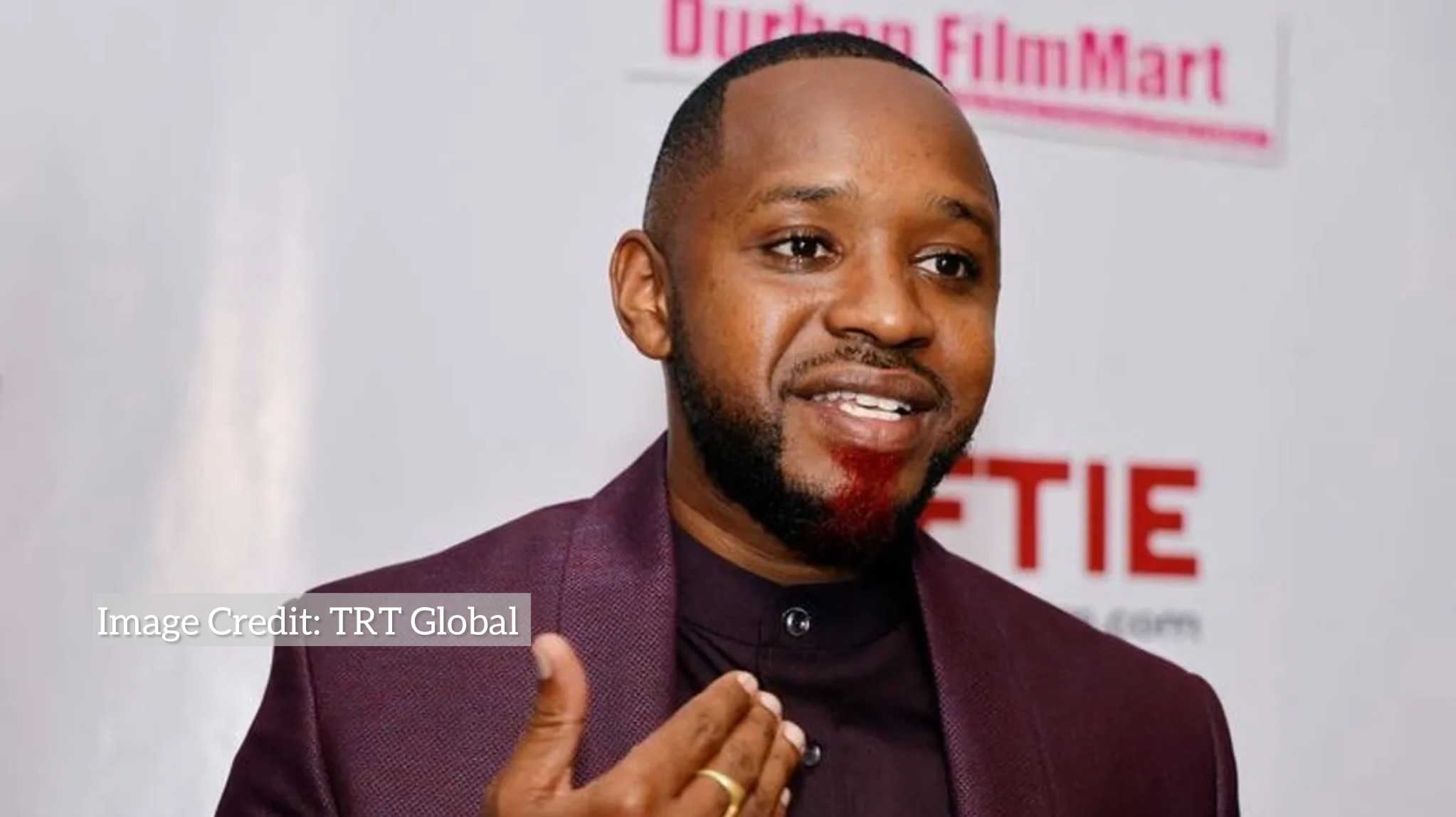
Kenyan human rights advocate Boniface Mwangi was this week formally charged with the unlawful possession of ammunition, a development that follows nationwide demonstrations in late June which left at least 19 people dead. Mwangi, who has denied any wrongdoing, was granted bail and is free pending further hearings.
Authorities initially indicated that Mwangi might face terrorism-related counts, but prosecutors ultimately did not pursue charges under Kenya’s Anti-Terrorism Act. Instead, the amended charge sheet accuses him of holding live ammunition without a valid permit. During searches of his Lukenya residence on Nairobi’s outskirts, investigators reportedly recovered mobile phones, a laptop and several notebooks. A subsequent raid on his city office yielded hard drives, computers, tear-gas canisters and one blank firearm round.
Mwangi’s detention and the suggestion of terrorism charges drew swift criticism from local and international rights groups, who argued that branding protest leaders as terrorists is a tactic to stifle dissent. “I am not a terrorist,” Mwangi wrote on his social-media platform, insisting that his activism remains peaceful and lawful.
The allegations stem from protests on June 25, triggered by widespread dissatisfaction with government policies. According to the Kenya National Commission on Human Rights (KNCHR), police used live ammunition against demonstrators, resulting in 19 fatalities and hundreds of injuries; most victims sustained gunshot wounds. Demonstrators also clashed with security forces, damaging property and attacking police stations actions that the Interior Ministry described as “terrorism disguised as dissent.”
Interior Minister Kipchumba Murkomen defended the authorities’ hardline stance, characterizing the unrest as an “unconstitutional attempt” to force regime change. He said that numerous officers were assaulted and several police vehicles torched during the demonstrations.
Tensions persisted into July, with the KNCHR reporting at least 38 further deaths in subsequent protests. Since mid-2024, more than 100 Kenyans have died amid successive waves of anti-government rallies, with many accusing the police of resorting to excessive force a claim Bolstered by eyewitness accounts and independent observers.
President William Ruto, addressing the crisis, instructed police commanders to target protesters’ legs rather than using lethal force, a directive that rights monitors say is inadequate to prevent unnecessary bloodshed.
A coalition of 37 civil-society organisations condemned Mwangi’s arrest as part of a broader “systematic crackdown” on youth-led dissent. In a joint statement, they decried what they termed “fabricated terrorism allegations,” warning that such measures imperil Kenya’s democratic foundations.
Veteran opposition figure James Orengo, governor of Siaya County, called the terrorism charge “absurd,” noting Mwangi’s long-standing profile as a peaceful campaigner.
“Our young people have demonstrated remarkable political engagement,” Orengo said. “To label them as terrorists is both unjust and counterproductive.”
Mwangi is no stranger to legal battles. In May, he and Ugandan activist Agather Atuhaire were detained in Tanzania while observing the trial of opposition politician Tundu Lissu. Upon their release days later, both alleged that they had been abducted, tortured and sexually assaulted by unknown assailants. The pair have since lodged a petition with the East African Court of Justice seeking accountability for the alleged abuses.
As Mwangi prepares to contest the ammunition charge in the Nairobi courts, his case is shaping up as a bellwether for Kenya’s tolerance of peaceful protest. Observers say its outcome will signal whether civic space is widening or contracting under the current administration and whether activists can continue to hold government to account without fear of being branded terrorists.