

|
Getting your Trinity Audio player ready...
|
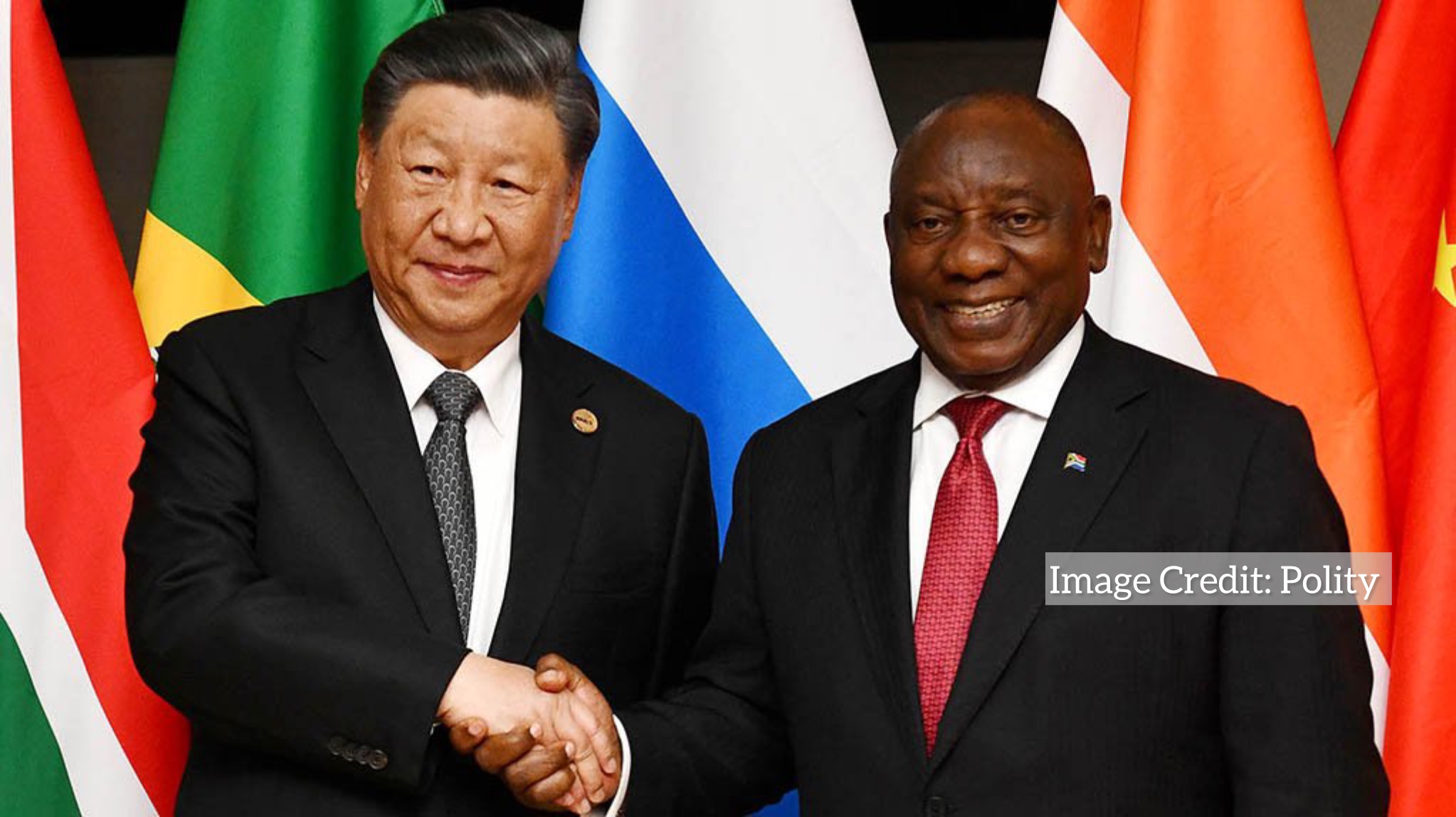
South Africa is moving swiftly to deepen its commercial ties with China in response to an impending 30 percent tariff on its exports to the United States, set to take effect on August 1. A senior delegation, headed by Deputy President Paul Mashatile, recently completed a week-long mission in Beijing, where it sought to secure fresh investment and showcase opportunities to diversify South Africa’s export mix beyond its traditional commodity base.
Over the past forty years, the country’s trade gap with China has widened dramatically. Where annual deficits once lingered below US $1 billion between 1988 and 2000, by 2023 that shortfall had surged to nearly US $9.7 billion. With shipments to China last year topping US $30.6 billion more than double South Africa’s exports to the U.S. officials acknowledge the urgency of recalibrating this crucial partnership to foster a more balanced flow of goods.
In Beijing, Mashatile highlighted several barriers to deeper market access, including Chinese tariff and non-tariff measures, the added costs of long-distance logistics, and stiff competition from other exporters. He argued that addressing these hurdles would require a concerted effort to broaden the country’s export portfolio, moving up the value chain into sectors such as renewable energy technologies, pharmaceuticals and automotive components.
Historically, South Africa has relied heavily on minerals, metals and agricultural staples for its Chinese trade. The deputy president’s pitch centered on expanding higher-margin exports like electric-vehicle batteries, processed foods and advanced medical products that not only bolster foreign-exchange earnings but also catalyze domestic industrial development and job creation.
Academic observers applauded the strategy while warning against viewing China as a simple drop-in replacement for the U.S. market. Professor Carlos Lopes of the University of Cape Town noted that redirecting citrus, wine and other agricultural goods could be achieved relatively swiftly, but scaling up manufactured exports would demand significant upgrades in quality standards, branding efforts and logistical infrastructure.
Mandira Bagwandeen from Stellenbosch University pointed out that Beijing’s recent removal of tariffs on goods from 53 African nations offers a timely opening, yet it also exposes South African producers to fierce competition from other low-cost suppliers. She stressed the importance of supporting small and medium-sized enterprises in meeting Chinese regulatory requirements and consumer preferences to capitalize on duty-free access.
While the Chinese market provides an immediate outlet for volumes displaced by U.S. tariffs, experts caution against concentrating too heavily on any single partner. China’s own economic slowdown and sectoral oversupply, particularly in electronics and certain metals could dampen demand in the future. To mitigate these risks, they recommend concurrently developing ties with emerging markets across Southeast Asia, the Middle East and other regions.
Ultimately, South Africa’s path forward will hinge on upgrading its manufacturing and processing capabilities, enhancing port and cold-chain infrastructure, and sharpening its brand positioning for discerning Chinese consumers. By forging a multi-vector export strategy that balances established markets with new frontiers, the country aims not only to soften the blow of U.S. tariffs but also to build a more resilient and diversified trade portfolio over the long term.
Credit: South China Morning Post