

|
Getting your Trinity Audio player ready...
|
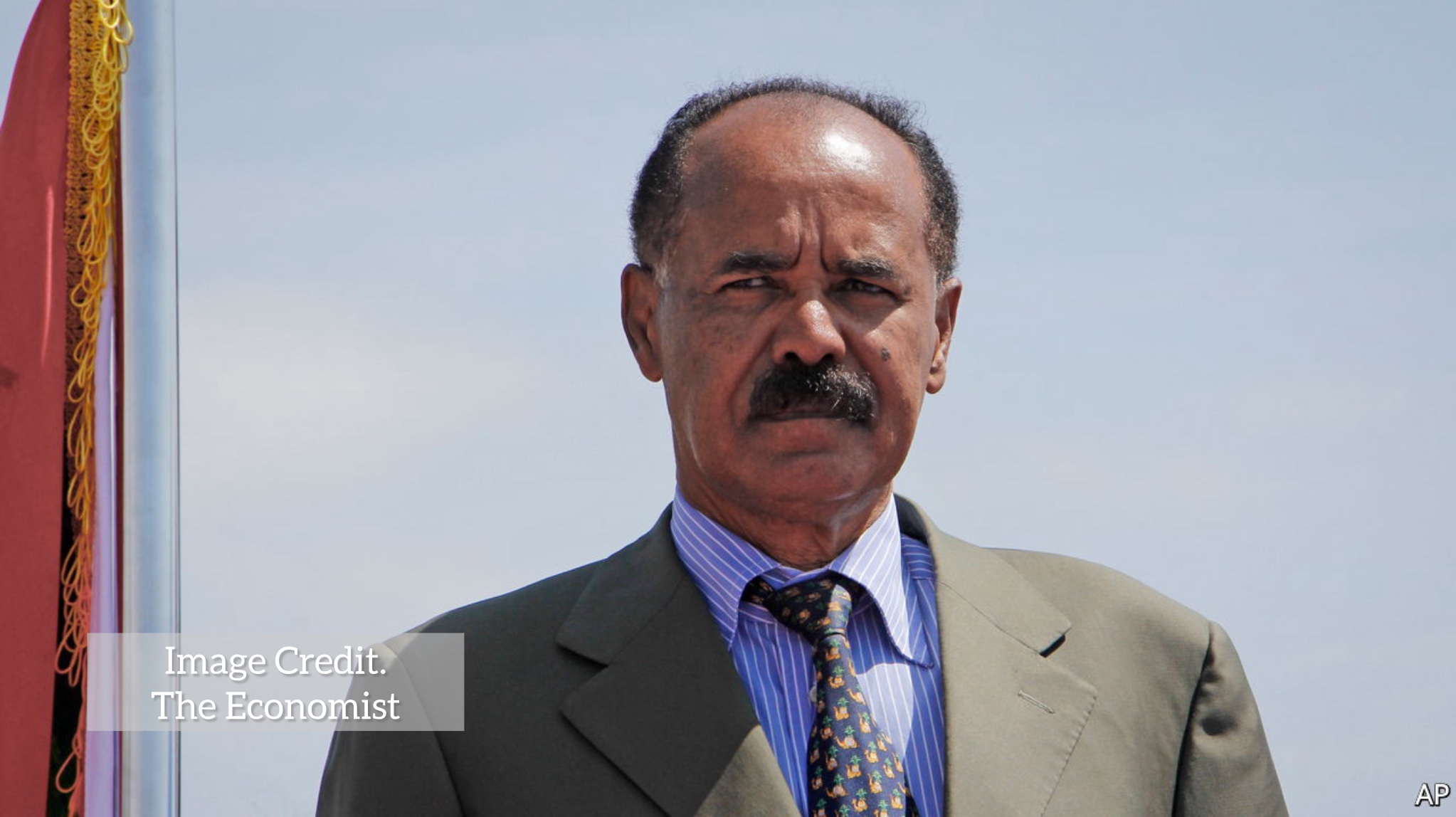
Eritrean President Isaias Afwerki has issued a strong warning to neighboring Ethiopia amid rising tensions in the Horn of Africa, cautioning against any move that could reignite conflict between the two countries. Speaking amid growing speculation over Ethiopia’s renewed interest in gaining access to the Red Sea, Afwerki reaffirmed Eritrea’s commitment to national sovereignty and signaled his country’s readiness to defend itself if necessary.
Relations between Eritrea and Ethiopia have remained fragile for decades, despite the 2018 peace agreement that officially ended the bitter hostilities following Eritrea’s independence in 1993 and a devastating border war from 1998 to 2000. That conflict claimed tens of thousands of lives and left a legacy of deep mistrust that still lingers. While recent years have seen attempts at normalization, recent developments suggest that the foundation of peace may again be under strain.
The latest friction stems from Ethiopia’s increasing efforts to secure maritime access, a long-standing strategic priority for the landlocked country. Since losing its coastline with Eritrea’s independence, Ethiopia has relied heavily on Djibouti’s port facilities for international trade. However, officials in Addis Ababa have recently indicated a stronger desire to diversify and potentially reclaim direct access to the Red Sea, raising alarms in Eritrea about potential future disputes over territory or influence.
President Afwerki, addressing this matter, made it clear that Eritrea would not be intimidated by Ethiopia’s size or ambitions. He warned against any underestimation of Eritrea’s capabilities, despite its smaller population of approximately 3.5 million compared to Ethiopia’s 130 million.
“We are not a country that can be pushed aside,” he stated
affirming that Eritrea remains vigilant and prepared to protect its borders and national interests.
Although no military actions have been taken, analysts warn that the political temperature in the region is climbing. The Horn of Africa has long been a hotbed of instability, with overlapping political rivalries, internal conflicts, and competing economic interests. Both countries are dealing with internal challenges, Ethiopia continues to manage ethnic unrest and post-conflict recovery in Tigray and Amhara regions, while Eritrea maintains a tightly controlled political environment shaped by long-term militarization and isolation.
International stakeholders, including the African Union and the United Nations, are watching developments closely. There is increasing concern that any breakdown in Eritrea-Ethiopia relations could destabilize the broader region, particularly along the Red Sea corridor a strategically critical area for global shipping and trade. Experts stress the importance of diplomacy, urging both sides to avoid inflammatory rhetoric and focus on constructive dialogue.
President Afwerki’s statement serves as a reminder of how unresolved historical grievances and strategic ambitions can quickly resurface, threatening the fragile peace that has held since 2018. As regional tensions rise, the international community is calling for restraint and renewed efforts to foster sustainable cooperation between Eritrea and Ethiopia to ensure long-term stability in the Horn of Africa.